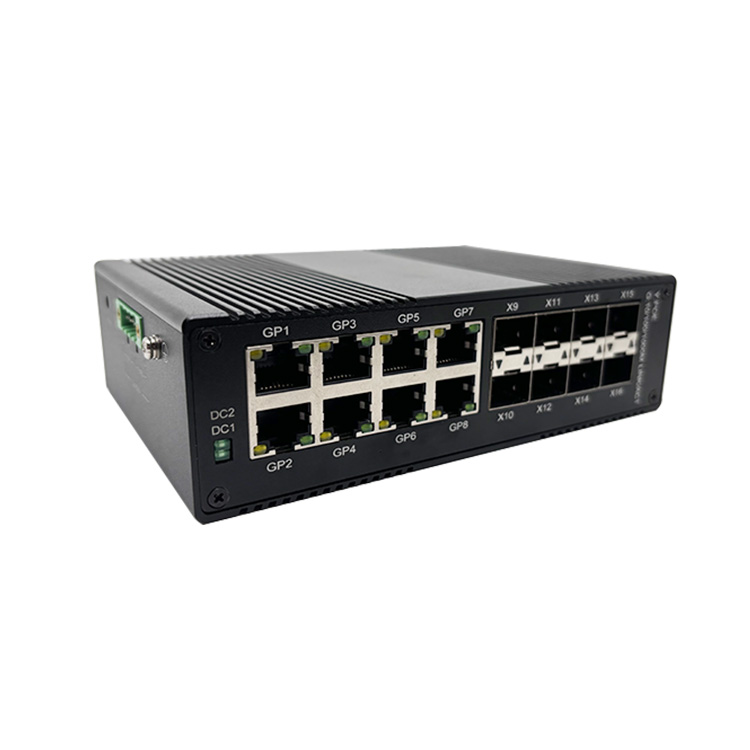
Deploying a solar PoE switch involves more than just connecting hardware. Common mistakes include ignoring the power budget, which can cause device failure; overlooking environmental ratings, leading to equipment damage; neglecting network management features, resulting in poor performance and security; using improper cables and connectors, degrading signal quality; and failing to plan for scalability, increasing long-term costs. To avoid these pitfalls, engineers should calculate total power requirements, select switches with appropriate IP ratings and wide temperature ranges (like FICOTEK’s industrial models), leverage managed features such as VLAN and QoS, use outdoor-rated cables, and choose platforms that allow easy expansion. Companies like FICOTEK offer robust solutions with rigorous testing, customization, and comprehensive warranties, ensuring reliable operation in demanding solar environments. By addressing these five areas, network deployments become more resilient, efficient, and future-proof.
Deploying a solar Power over Ethernet (PoE) switch in outdoor or remote locations offers significant advantages for powering devices like IP cameras, wireless access points, and sensors. However, without careful planning, several common mistakes can lead to network downtime, equipment damage, or inefficient performance. This article highlights five critical errors and explains how to avoid them, drawing on best practices from industry leaders like Shenzhen Ficotek Photonics Co., Ltd. (FICOTEK).
Mistake 1: Ignoring the Power Budget
One of the most frequent mistakes is underestimating the total power consumption of all connected PoE devices. Solar-powered switches have limited energy availability, especially during cloudy days or at night when battery storage is used. Engineers must calculate the maximum power draw of each device, including overhead for PoE++ standards (up to 60W or 90W), and ensure the switch’s total power budget exceeds that sum. FICOTEK’s industrial-grade switches offer detailed PoE power management features, allowing users to monitor consumption and set priorities. Without proper budgeting, devices may randomly shut down or fail to power on.
Mistake 2: Overlooking Environmental Ratings
Solar PoE switches are often installed in harsh outdoor environments—on poles, rooftops, or in desert areas. A common oversight is choosing a switch without adequate ingress protection (IP rating) or wide temperature tolerance. FICOTEK’s switches feature industrial-grade temperature resistance (e.g., -40°C to 75°C) and outdoor lightning protection, ensuring reliable operation in extreme conditions. Using a commercial-grade switch in such settings can lead to corrosion, overheating, or failure. Always verify the switch’s IP rating (at least IP65 for direct outdoor exposure) and its surge protection capabilities.
Mistake 3: Neglecting Network Management Features
Many assume that a simple unmanaged switch is sufficient for solar deployments. However, managed switches provide essential features like VLAN segmentation for traffic isolation, QoS for prioritizing critical data, RSTP/ERPS for network redundancy, and SNMP for remote monitoring. These capabilities are crucial when the network must operate autonomously with minimal maintenance. FICOTEK offers lightweight network management with support for VLAN, QoS, RSTP, ERPS, SNMP, PoE control, and link aggregation—all while maintaining lower power consumption. Neglecting management features can lead to security vulnerabilities and inefficient bandwidth usage.
undefined
Mistake 4: Improper Cable and Connector Selection
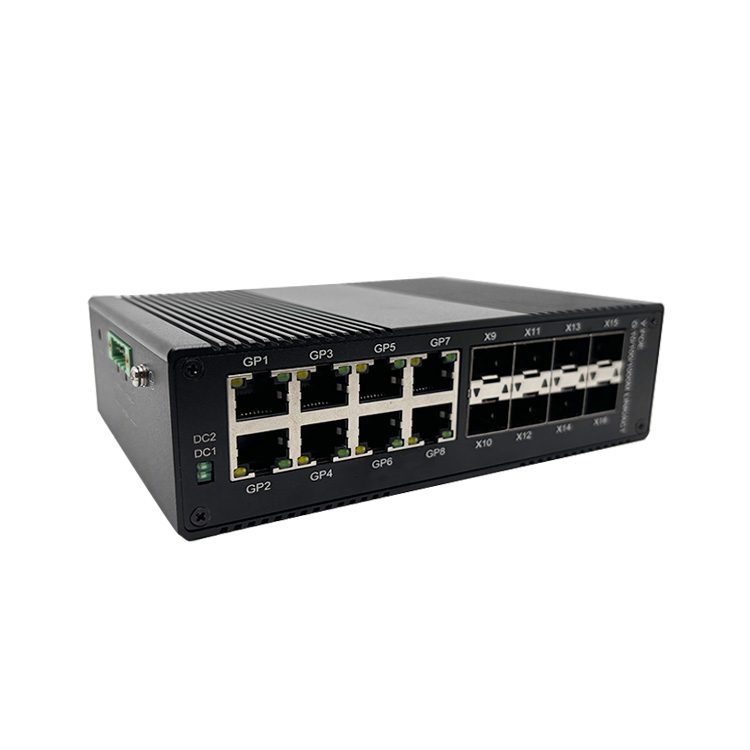
Using standard Ethernet cables without proper UV protection or burial rating can degrade performance quickly under sunlight or moisture. For solar installations, outdoor-rated shielded cables (e.g., Cat6a outdoor) with UV-resistant jackets are mandatory. Connectors must be weatherproof (e.g., IP68-rated RJ45 couplers). Additionally, the cable length must not exceed 100 meters with PoE; longer runs require signal repeaters or fiber optics. FICOTEK’s switches support various media types, including fiber optic SFP slots, making it easier to extend distances beyond copper limitations.
Mistake 5: Failing to Plan for Scalability and Maintenance
Solar network deployments often grow over time—adding cameras, sensors, or new locations. A common mistake is selecting a switch with too few ports or insufficient power capacity for future expansion. Another oversight is not planning for remote firmware upgrades or battery backups. FICOTEK provides modular solutions with customization options and comprehensive after-sales support: one-year replacement, three-year warranty, and lifetime technical assistance. Their factory can produce OEM/ODM products tailored to specific needs. By choosing a scalable platform, operators can avoid forklift upgrades later.
Conclusion
Avoiding these five mistakes ensures a robust, efficient, and long-lasting solar PoE network. From proper power budgeting to selecting hardened equipment with management features, every detail matters. Company like FICOTEK, with its own factory, complete R&D capabilities from optical components to industrial switches, and numerous invention patents, exemplifies the quality needed for such deployments. By adhering to these guidelines, network engineers can maximize uptime and return on investment.
About FICOTEK: Shenzhen Ficotek Photonics Co., Ltd. (FICOTEK) is a leading manufacturer specializing in optoelectronic and communication products. With a business philosophy of efficient innovation and people-oriented management, FICOTEK employs experienced engineers and provides OEM/ODM services. Their product lineup includes industrial-grade switches with lightning protection, wide temperature tolerance, and low power consumption, supported by rigorous reliability testing and patents. Customers benefit from one-year replacement, three-year warranty, and lifetime technical support.