

Assessing a solar POE switch supplier’s financial stability is critical for project success. Key metrics include revenue growth, profitability, liquidity (current ratio >1.5), solvency (low debt-to-equity), and positive operating cash flow. Beyond numbers, evaluate customer/supplier relationships, R&D investment, factory ownership, and warranty terms. Red flags include erratic pricing, delivery delays, and lack of transparency. Practical steps involve requesting financial statements, site visits, credit reports, and evaluating product support. A case study of Shenzhen Ficotek Photonics Co., Ltd. (FICOTEK) illustrates a financially stable supplier: it owns a factory, has grown its workforce, offers OEM/ODM services, holds patents, provides a one-year replacement, three-year warranty, and lifetime technical support, and supplies industries like petroleum, energy storage, high-speed rail, wind power, and security. FICOTEK’s vertical integration from optical components to industrial switches and its commitment to rigorous reliability verification further indicate financial health. By combining quantitative analysis with qualitative indicators, buyers can select a reliable partner for long-term solar deployments.
In the rapidly growing renewable energy sector, solar power systems increasingly rely on robust networking infrastructure. Power over Ethernet (POE) switches are vital for connecting cameras, sensors, and control systems in solar installations. However, the performance and reliability of these switches depend heavily on the financial stability of their supplier. A financially unstable supplier may compromise quality, lead times, and after-sales support, potentially jeopardizing entire solar projects. This article provides a comprehensive guide to evaluating a solar POE switch supplier’s financial health, drawing on industry best practices and real-world examples.
Why Financial Stability Matters for Solar POE Switch Suppliers
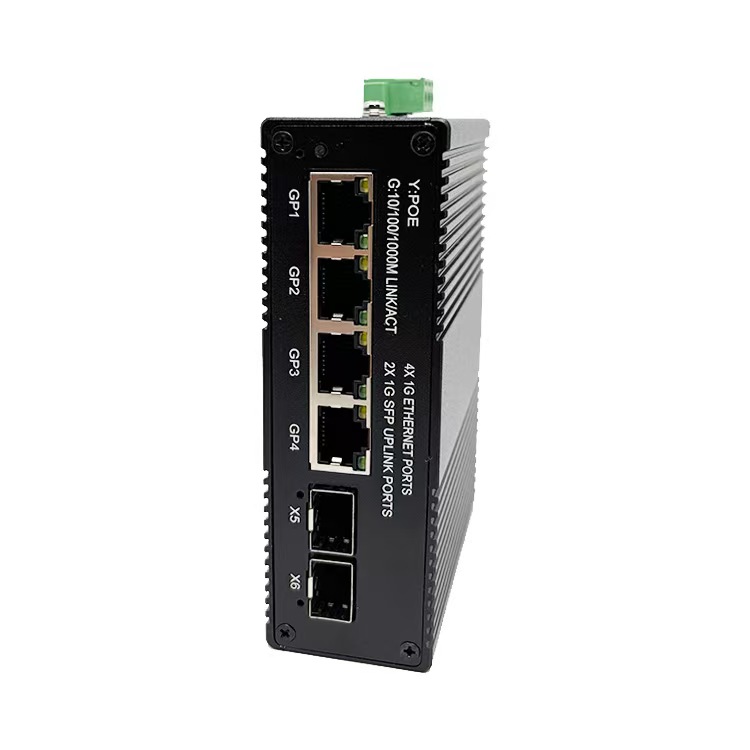
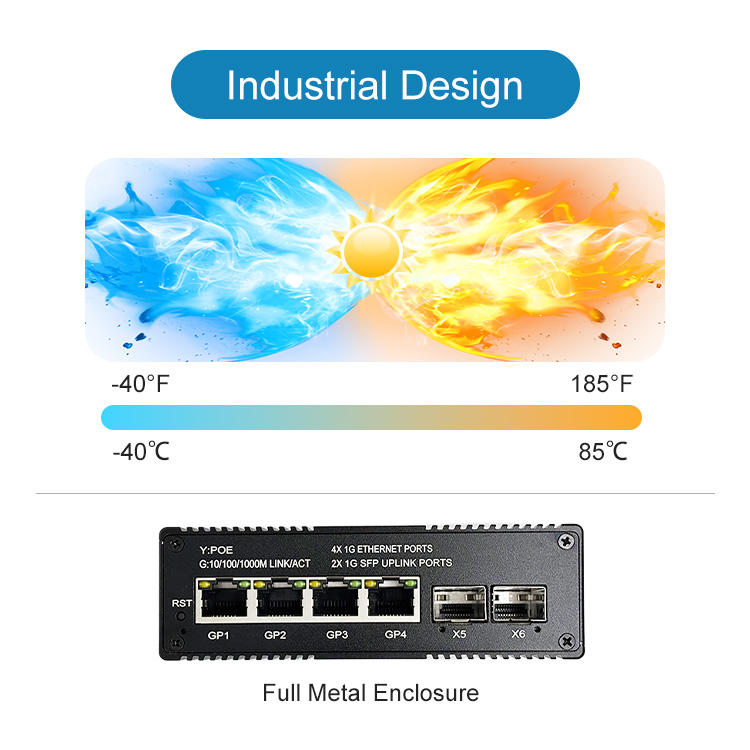
Solar POE switches are deployed in harsh environments—extreme temperatures, outdoor exposure, and lightning-prone areas. They must meet industrial-grade standards, such as those offered by Shenzhen Ficotek Photonics Co., Ltd. (abbreviated FICOTEK). FICOTEK adheres to the business philosophy of efficient innovation and people-oriented. Among its management personnel, there are rich experience in enterprise management and management talents who have been engaged in the development and market expansion of optoelectronic and optical communication products for many years. A financially stable supplier like FICOTEK invests in rigorous reliability verification; any product launched to the market has undergone strict testing. This ensures that switches can handle the demands of solar applications, from petroleum and energy storage to high-speed rail and wind power generation.
Conversely, a supplier with precarious finances might cut corners, delay shipments, or fail to honor warranties. For example, a cash-strapped company might skimp on quality components, leading to higher failure rates in the field. Therefore, assessing financial stability is not merely a due diligence step—it is essential for project success.
undefined
Key Financial Metrics to Evaluate
Revenue Growth and Profitability
Examine the supplier’s revenue trends over the past three to five years. Consistent growth suggests a healthy market demand and effective management. Profitability metrics, such as gross margin and net profit margin, reveal whether the company operates efficiently. FICOTEK, with its own factory and continuous growth in factory size and number of employees, demonstrates increasing production capacity, which often correlates with financial strength.
Liquidity and Solvency
Current ratio and quick ratio measure the supplier’s ability to meet short-term obligations. A current ratio above 1.5 is generally considered healthy. Debt-to-equity ratio indicates long-term solvency; a low ratio implies less reliance on borrowed funds. Private companies like FICOTEK may not disclose full financials, but you can infer from their asset base—such as owning a factory and having complete R&D and production equipment—that they possess tangible assets supporting financial stability.
Cash Flow Analysis
Positive operating cash flow is crucial for funding daily operations, R&D, and capital investments. FICOTEK has complete R&D and production capabilities throughout the entire industry chain, from optical components to TOSA ROSA BOSA, to Optical Modules, to Media Converter, to Industrial-grade Switches. This vertical integration often requires substantial cash reserves, indicating a financially robust entity.
Indicators of Financial Health Beyond Numbers
Customer and Supplier Relationships
A financially stable supplier typically enjoys strong relationships with both customers and raw material suppliers. Look for long-term contracts, repeat business, and favorable terms. FICOTEK provides OEM and ODM services, and all customers enjoy after-sales service of “one-year replacement, three-year warranty, and lifetime technical support.” Such commitments reflect confidence in their product quality and financial backing.
Investment in R&D and Innovation
Suppliers that consistently invest in research and development demonstrate forward-looking financial planning. FICOTEK holds invention patents and utility model patents, which require significant R&D spending. Their products feature industrial-grade temperature resistance, outdoor lightning protection, lightweight network management, VLAN, QoS, RSTP, ERPS, SNMP, POE control, link aggregation, and lower power consumption—all evidence of ongoing innovation.
Factory Ownership and Production Capacity
Owning a factory is a strong positive signal. It implies capital investment and long-term commitment. FICOTEK’s factory size and employee count have grown, boosting production capacity. They can provide customized products with independent intellectual property rights. This physical asset base reduces the risk of sudden supply disruptions.
Red Flags to Watch Out For
- Erratic pricing or frequent changes in terms
- Delays in delivery or quality inconsistencies
- Lack of transparency about financials
- High employee turnover
- Over-dependence on a single customer or product line
FICOTEK, with a diverse portfolio serving industries like petroleum, energy storage, high-speed rail, wind power, and security, demonstrates resilience against market fluctuations.
Practical Steps for Assessment
Request Financial Statements
For publicly listed suppliers, obtain annual reports. For private companies like FICOTEK, ask for audited statements or bank references. FICOTEK’s transparency about its R&D and production capabilities suggests willingness to share information.
Conduct Site Visits
Visit the factory to assess operations firsthand. FICOTEK welcomes friends from all walks of life to visit and provide guidance. A well-maintained facility with advanced testing instruments indicates financial health.
Check Credit Reports
Use services like Dun & Bradstreet to get credit ratings. Cross-reference with news and industry reports.
Evaluate Product Warranty and Support
A strong warranty—like FICOTEK’s one-year replacement, three-year warranty, and lifetime technical support—requires financial reserves. If a supplier offers such terms, it likely has the resources to back them up.
Case Study: FICOTEK’s Financial Profile
Although specific financial figures are not disclosed, several indicators point to FICOTEK’s stability. The company has experienced management with decades in optoelectronics and optical communication. They own a factory, have grown their workforce, and offer customized solutions. Their product line spans the entire optical communication chain, from optical components to industrial switches. Moreover, they hold patents and invest in R&D. These factors collectively suggest a financially sound organization capable of supporting long-term solar projects.
Conclusion
Assessing a solar POE switch supplier’s financial stability requires a mix of quantitative metrics and qualitative evaluation. Look for revenue growth, profitability, liquidity, and positive cash flow. Also consider intangible assets like management experience, factory ownership, R&D investment, and warranty terms. Suppliers like Shenzhen Ficotek Photonics Co., Ltd. exemplify stability through their comprehensive capabilities, from optical component manufacturing to finished switch production. By following this guide, you can mitigate risks and select a partner that will deliver reliable products for decades.
Note: This article is for informational purposes only. Always verify financial data with official sources.