

This article clarifies the distinct roles of Solar POE switch suppliers and distributors in the supply chain. Suppliers, like Shenzhen Ficotek Photonics Co., Ltd. (FICOTEK), are manufacturers that design, produce, and test the switches. They offer customization, OEM/ODM services, rigorous quality control, and direct technical support. FICOTEK exemplifies this with its own factory, complete R&D capabilities, and product features such as industrial-grade temperature resistance, outdoor lightning protection, and advanced network management. Their after-sales policy includes one-year replacement, three-year warranty, and lifetime technical support. Distributors, in contrast, purchase products in bulk and resell them, offering convenience and lower minimum orders but limited customization and support. The article highlights key differences via a comparison table and advises on choosing based on project scale, need for customization, and cost. For large-scale or custom applications, working directly with a supplier ensures better quality, lower costs, and long-term partnership. FICOTEK’s extensive experience in industries like petroleum, energy storage, high-speed rail, wind power, and security makes them a reliable choice for Solar POE switches.
In the rapidly growing market of solar-powered networking equipment, Solar POE (Power over Ethernet) switches have become essential for remote monitoring, surveillance, and IoT applications. When sourcing these devices, buyers often encounter two types of entities: suppliers and distributors. While the terms are sometimes used interchangeably, they represent distinct roles in the supply chain. Understanding the difference is crucial for making informed purchasing decisions, especially for large-scale projects or critical infrastructure. This article explores the nuances between a Solar POE switch supplier and a distributor, highlighting the advantages of working directly with a manufacturer like Shenzhen Ficotek Photonics Co., Ltd. (FICOTEK).
Understanding the Solar POE Switch Supply Chain
The supply chain for Solar POE switches typically involves raw material suppliers, component manufacturers, product assemblers (original equipment manufacturers or OEMs), brand owners, distributors, and resellers. A supplier, often referred to as a manufacturer or producer, designs, develops, and manufactures the switches. A distributor, on the other hand, purchases products in bulk from suppliers and sells them to end-users or smaller resellers, often adding logistics and inventory management services.
undefined
Solar POE switches are specialized devices that combine power over Ethernet capabilities with solar panel compatibility, enabling outdoor installations without grid power. They require robust design to withstand harsh environmental conditions, such as extreme temperatures, lightning strikes, and dust. Therefore, the quality and reliability of the product heavily depend on the supplier’s engineering and production capabilities.
What is a Solar POE Switch Supplier?
A Solar POE switch supplier is the entity that actually manufactures the product. They own the production facilities, control the design, and manage the entire manufacturing process from sourcing components to final assembly and testing. Suppliers like FICOTEK have their own factories, R&D departments, and quality assurance procedures. They can offer customization, OEM/ODM services, and direct technical support. For example, FICOTEK adheres to a business philosophy of efficient innovation and people-oriented management. Their team includes experienced professionals in optoelectronic and optical communication product development and market expansion. With a complete range of R&D and production equipment, FICOTEK can produce everything from optical components to complete industrial-grade switches.
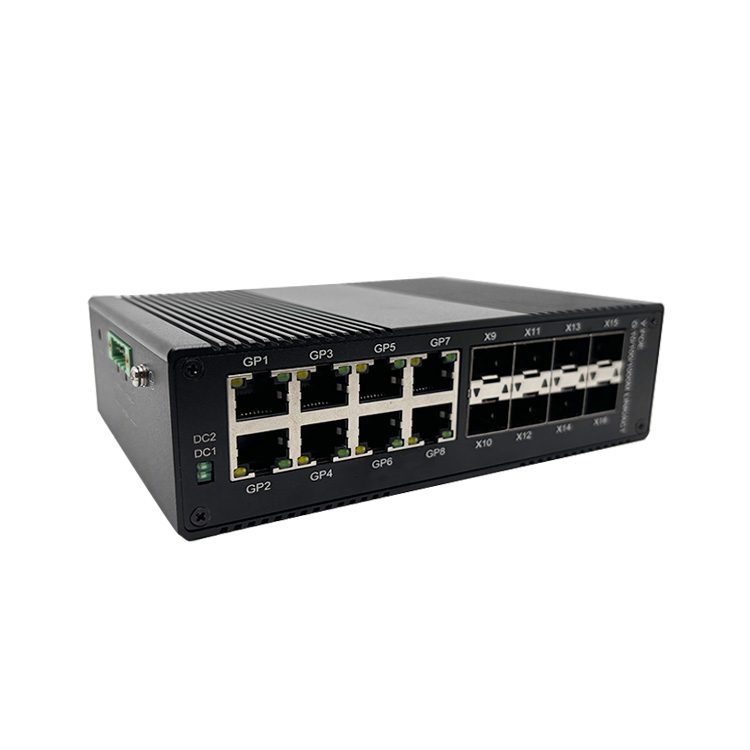
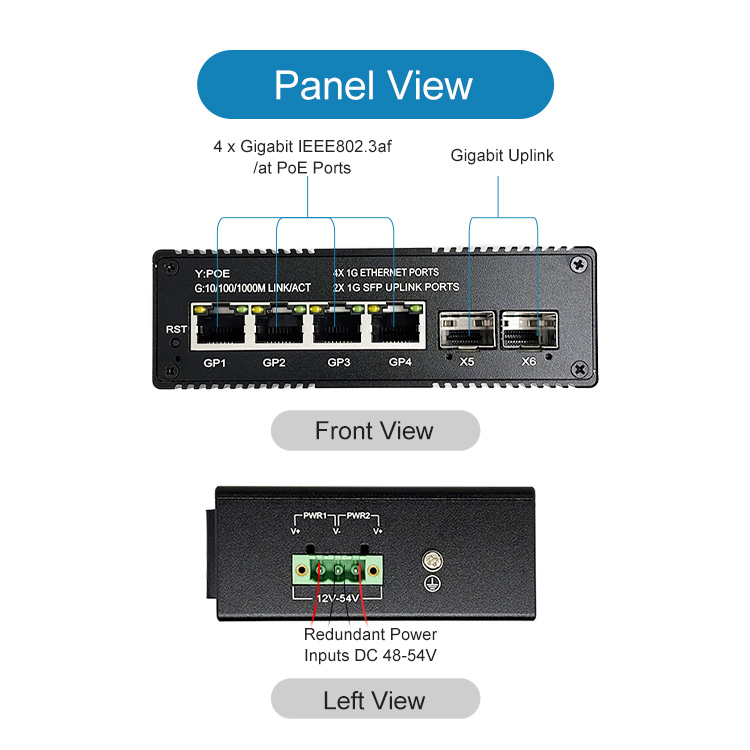
Suppliers typically provide more than just a product; they offer expertise, after-sales service, and the ability to tailor solutions to specific customer needs. FICOTEK, for instance, offers “one-year replacement, three-year warranty, and lifetime technical support” for all its customers. Their products feature industrial-grade temperature resistance and outdoor lightning protection, with lightweight network management including VLAN, QoS, RSTP, ERPS, SNMP, POE control, link aggregation, and lower power consumption. These features are crucial for solar installations in industries such as petroleum, energy storage, high-speed rail, wind power generation, and security.
What is a Solar POE Switch Distributor?
A distributor acts as an intermediary between the supplier and the end customer. They buy products in volume from suppliers and then sell them to network integrators, installers, or businesses. Distributors maintain inventory, handle logistics, and provide local sales support. They often stock multiple brands and product lines, offering convenience and quick delivery. However, distributors typically do not have control over product design or manufacturing. They pass on the supplier’s warranty and may offer limited technical support, often relying on the manufacturer for deeper issues.
The key advantage of using a distributor is reduced minimum order quantities and faster access to standard products. For small projects or urgent needs, distributors can be a convenient choice. However, for custom solutions or large-scale deployments requiring consistent quality and long-term reliability, working directly with a supplier is often preferred.
Key Differences Between Suppliers and Distributors
| Aspect | Supplier (e.g., FICOTEK) | Distributor |
|---|---|---|
| Product Ownership | Designs and manufactures the product | Purchases and resells existing products |
| Customization | Offers OEM/ODM, tailored solutions | Limited or no customization |
| Quality Control | Direct control over production and testing | Depends on supplier’s quality |
| Technical Support | In-depth product knowledge and engineering support | Basic support, escalates to supplier |
| Cost | Lower per-unit price for bulk orders; no middleman margin | Higher price due to margin added |
| Minimum Order Quantity | Often higher, but flexible for custom orders | Lower, ideal for small quantities |
| Lead Time | Depends on production schedule; faster for standard products | Usually faster from stock |
| Warranty & Service | Direct responsibility; comprehensive policies | Passes through supplier’s warranty |
Advantages of Working Directly with a Supplier like FICOTEK
Customization and OEM/ODM Services
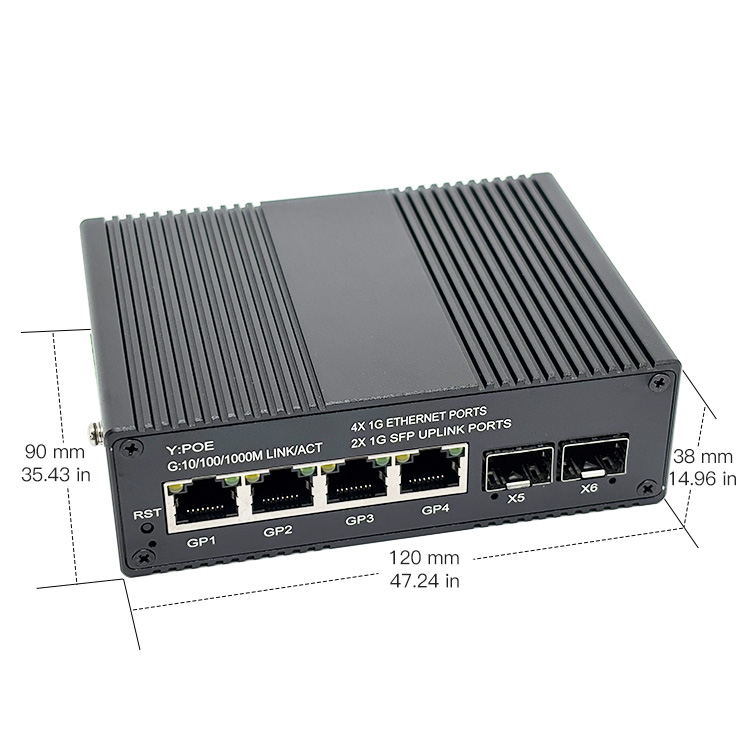
One of the biggest benefits of engaging a supplier directly is the ability to customize products. FICOTEK, as a manufacturer with its own factory and R&D capabilities, can provide customized Solar POE switches according to customer requirements. They can design products with independent intellectual property rights, tailored to specific power budgets, port configurations, or environmental conditions. This is particularly valuable for specialized applications in solar energy farms or remote industrial sites where off-the-shelf solutions may not suffice.
Quality Control and Technical Support
Suppliers have complete control over the production process, from component selection to final testing. FICOTEK has complete R&D and production equipment and product testing instruments, ensuring that every product launched to the market has undergone rigorous reliability verification. They hold invention patents and utility model patents, demonstrating their commitment to innovation. Direct technical support from engineers who designed the product means faster resolution of issues and access to detailed performance data.
Cost Efficiency and Long-Term Partnership
By eliminating the distributor’s margin, buyers often achieve lower per-unit costs when purchasing directly from the supplier, especially for volume orders. Moreover, suppliers are more willing to offer favorable terms for long-term partnerships. FICOTEK’s business model includes OEM and ODM services, meaning they can become a strategic partner in product development. Their after-sales policy of one-year replacement, three-year warranty, and lifetime technical support reduces total cost of ownership.
How to Choose Between a Supplier and a Distributor
The decision depends on several factors: project scale, need for customization, technical requirements, and budget. For small projects or standard products, a distributor may offer speed and convenience. For large-scale deployments, critical infrastructure, or custom solutions, a direct supplier relationship is advantageous. Buyers should evaluate the supplier’s manufacturing capabilities, certifications, and references. FICOTEK, for example, invites friends from all walks of life to visit and provide guidance, offering transparency and trust.
Additionally, consider the product’s lifecycle and support needs. Solar POE switches are often deployed in harsh outdoor environments where reliability is paramount. Suppliers with in-house R&D and testing can ensure long-term performance. FICOTEK’s products are widely used in petroleum, energy storage, high-speed rail, wind power generation, and security, proving their robustness.
Conclusion
In summary, while both suppliers and distributors play vital roles in the Solar POE switch market, the choice between them hinges on specific project needs. A supplier like Shenzhen Ficotek Photonics Co., Ltd. offers unparalleled customization, quality control, and direct support, making them ideal for projects demanding high reliability and tailored solutions. Their complete industry chain—from optical components to industrial-grade switches—ensures integration and consistency. By understanding the differences, buyers can optimize their supply chain, reduce costs, and ensure long-term success. Whether you are designing a solar-powered surveillance system or an energy storage monitoring network, partnering directly with a manufacturer provides the technical depth and flexibility that distributors cannot match.