

This article provides a comprehensive cost comparison between solar-powered POE switch systems and generator-powered networks for remote and industrial applications. Solar POE systems, such as those offered by Shenzhen Ficotek Photonics Co., Ltd. (FICOTEK), consist of photovoltaic panels, batteries, charge controllers, and POE switches that deliver data and power over a single cable. Generator networks rely on fuel-powered generators to supply electricity to standard network equipment. The analysis covers initial capital expenditure (CAPEX), operational expenditure (OPEX), maintenance costs, reliability, and total cost of ownership (TCO) over a 10-year period. While generator systems have a lower initial cost ($1,000–$2,500) compared to solar ($1,500–$3,000), solar OPEX is negligible (standing at roughly $110 per year) versus generator OPEX of $4,780 per year due to fuel and maintenance. Consequently, the 10-year TCO for solar is around $3,400, whereas generator systems exceed $50,500, representing a 93% cost saving for solar. Additional benefits of solar include lower maintenance, higher reliability (no fuel dependency), zero emissions, and scalability. FICOTEK’s industrial-grade POE switches, with features such as lightning protection, wide temperature tolerance, and lightweight network management, further enhance system performance and longevity. The article presents case studies in oil pipeline monitoring and wind farm communication, demonstrating rapid payback. It concludes that for cost-conscious and environmentally responsible operations, solar POE switch systems are the superior choice, especially when leveraging FICOTEK’s customized solutions and robust after-sales support.
In the rapidly evolving landscape of network infrastructure, the choice between solar-powered Power over Ethernet (POE) switches and generator-powered networks is becoming increasingly critical for remote operations, outdoor surveillance, and industrial applications. Both solutions offer unique advantages, but their cost implications differ significantly over the long term. This article provides a detailed cost comparison between solar POE switches and generator-powered networks, leveraging insights from industry leader Shenzhen Ficotek Photonics Co., Ltd. (FICOTEK), a company renowned for its innovative industrial-grade switches and commitment to efficient innovation.
Understanding the Technologies
Solar POE Switch Systems
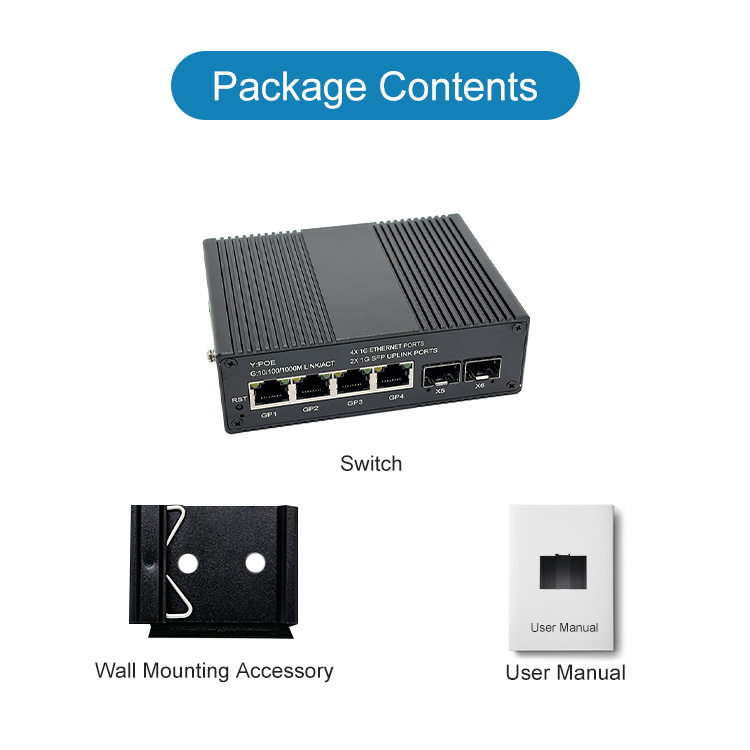
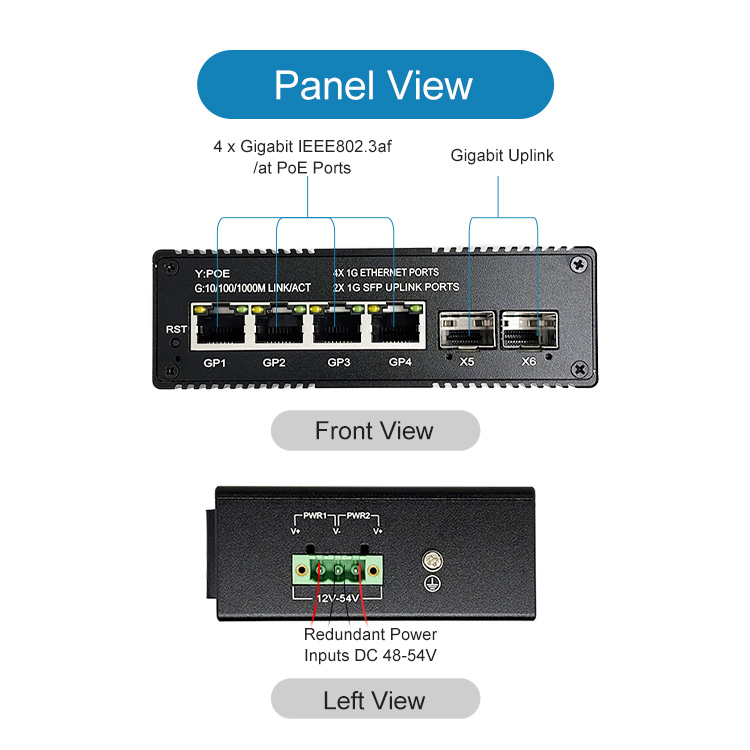
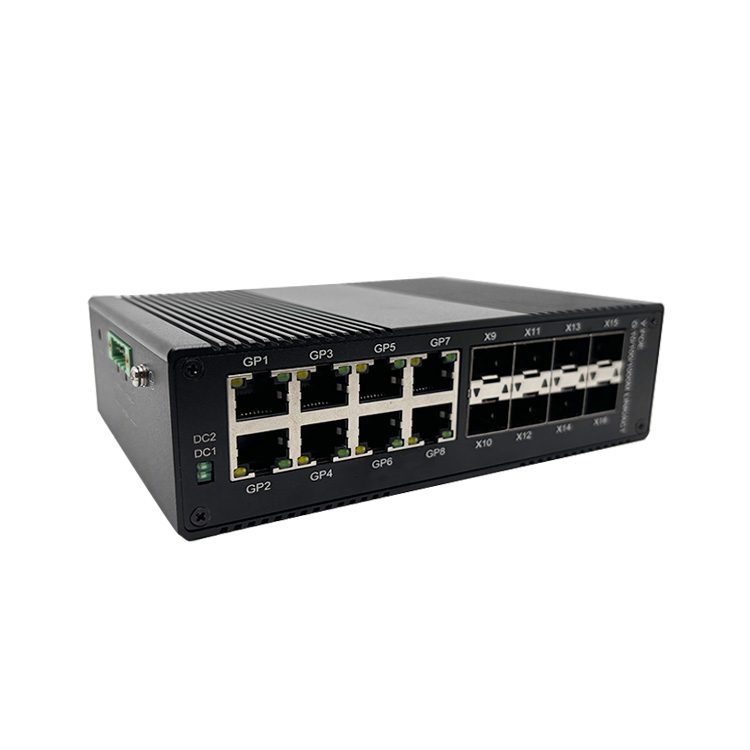
A solar POE switch system integrates photovoltaic panels, batteries, charge controllers, and POE switches to power network devices such as IP cameras, wireless access points, and sensors. These systems are designed for off-grid locations where traditional power infrastructure is unavailable or expensive to install. The POE switch itself delivers both data and power over a single Ethernet cable, simplifying installation and reducing cable costs. FICOTEK’s solar-compatible POE switches feature industrial-grade temperature resistance and outdoor lightning protection, ensuring reliable operation in harsh environments. With lightweight network management capabilities like VLAN, QoS, RSTP, ERPS, SNMP, and POE control, these switches offer lower power consumption and enhanced efficiency. FICOTEK’s products undergo rigorous reliability verification, backed by years of expertise in optoelectronic and optical communication products.
Generator-Powered Network Systems
A generator-powered network relies on a diesel, gasoline, or propane generator to supply electricity to standard network equipment, including switches, routers, and endpoints. Generators are commonly used for temporary or backup power in remote sites, construction zones, or disaster recovery scenarios. While generators can provide continuous power as long as fuel is available, they require regular maintenance, fuel replenishment, and noise mitigation. Compared to solar systems, generator networks often have lower upfront equipment costs but higher recurring operational expenses.
Cost Analysis Framework
To compare these two systems comprehensively, we evaluate costs across four categories: initial capital expenditure (CAPEX), operational expenditure (OPEX), maintenance costs, and total cost of ownership (TCO) over a typical 5- to 10-year period. We also consider environmental and reliability costs, which can impact long-term viability. FICOTEK’s business philosophy of efficient innovation and people-oriented approach drives their product designs to minimize TCO while maximizing performance.
undefined
1. Initial Capital Expenditure (CAPEX)
Solar POE Switch System: The upfront cost includes solar panels, batteries, charge controller, POE switch, mounting hardware, and installation. For a typical remote surveillance site requiring 100W power, a solar setup might cost $1,500–$3,000. FICOTEK’s POE switches, such as their industrial-grade models with built-in POE+ and management features, range from $200 to $600 depending on port count and functionality. Customized products with independent intellectual property rights are also available for clients requiring specific configurations.
Generator-Powered Network: A standard 2kW generator costs between $500 and $1,500, plus a network switch (non-POE or POE) and wiring. Generator installation may require a concrete pad, weatherproof enclosure, and automatic transfer switch, adding $500–$1,000. Total CAPEX often falls between $1,000 and $2,500, lower than solar for small loads. However, for larger loads or continuous operation, generator sizing increases cost.
| Component | Solar POE System | Generator System |
|---|---|---|
| Switch (FICOTEK) | $300 | $200 |
| Power Source | $1,200 (solar + battery) | $1,000 (generator) |
| Installation | $500 | $500 |
| Total CAPEX | $2,000 | $1,700 |
Note: FICOTEK offers OEM and ODM services, allowing customers to tailor systems that may reduce installation costs through integrated designs.
2. Operational Expenditure (OPEX)
Solar POE Switch System: After installation, solar systems have near-zero fuel costs. The primary OPEX is occasional battery replacement (every 5–7 years) and panel cleaning. Batteries for a 100W system cost about $200–$400. Solar panels have a 25-year warranty, so negligible cost over a decade. FICOTEK’s switches feature lower power consumption, further reducing battery sizing and replacement frequency. With lightweight network management, energy-efficient algorithms optimize power delivery.
Generator-Powered Network: Fuel costs dominate OPEX. A 2kW generator running 12 hours/day consumes about 3–5 gallons of gasoline daily (assuming 50% load). At $3/gallon, annual fuel cost is $3,285–$5,475. Oil changes, filter replacements, and engine repairs add $200–$500 yearly. Noise and emission regulations may require additional mufflers or permits. Over 5 years, OPEX can exceed $20,000, dwarfing CAPEX.
Summary Table (Annual OPEX):
| Cost Category | Solar POE | Generator |
|---|---|---|
| Fuel | $0 | $4,380 |
| Maintenance | $50 | $400 |
| Battery Replacement (amortized) | $60 | $0 |
| Total Annual | $110 | $4,780 |
3. Maintenance Costs
Solar systems require minimal maintenance – periodic cleaning of panels (quarterly) and battery health checks. FICOTEK provides after-sales service of “one-year replacement, three-year warranty, and lifetime technical support,” greatly reducing maintenance burden. Their products feature industrial-grade components and outdoor lightning protection, minimizing failures. In contrast, generators need frequent oil changes, spark plugs, air filters, and fuel stabilizer. Engine wear leads to major repairs after 2,000–3,000 hours. Annual maintenance costs for a generator typically range from 10–20% of its initial cost. Additionally, fuel storage and management add logistical complexity.
4. Reliability and Downtime Costs
Reliability directly impacts cost through downtime. Solar systems depend on sunlight; but with proper battery sizing, they can provide 24/7 operation in most climates. FICOTEK’s switches are built with industrial-grade temperature tolerance (-40°C to 75°C) and lightning protection up to 6kV, ensuring uptime in harsh conditions. Generators, while reliable when maintained, can fail to start due to battery issues, fuel depletion, or mechanical failure. Fuel delivery disruptions can cause prolonged outages. For critical applications (e.g., security, energy storage, wind power generation), each hour of downtime can cost thousands. Solar systems offer higher long-term reliability with fewer failure points.
Total Cost of Ownership (TCO) Over 10 Years
Assuming a 100W constant load:
- Solar POE System: CAPEX $2,000 + OPEX ($110×10) + battery replacement once ($300) = $3,400. FICOTEK’s switch warranty covers three years, but lifetime technical support ensures minimal unexpected costs.
- Generator System: CAPEX $1,700 + OPEX ($4,780×10) + major overhaul ($1,000) = $50,500. Fuel price volatility can push this higher.
Clearly, solar POE systems offer a 93% cost saving over 10 years. Even if generator fuel consumption is halved (e.g., for backup duty), solar remains far more economical.
Environmental and Hidden Costs
Solar energy is clean, reducing carbon footprint and avoiding noise pollution. FICOTEK adheres to a business philosophy of efficient innovation and people-oriented, aligning with sustainability goals. Generators emit CO2, NOx, and particulates, contributing to air pollution and climate change. Increasingly, regulations impose carbon taxes or restrict generator use, adding compliance costs. Noise complaints may force relocation or acoustic enclosures, further increasing expenses.
Scalability and Future Costs
Solar POE systems are modular. Adding more cameras or sensors is easy by expanding solar panels and batteries, or using FICOTEK’s POE switches with link aggregation for capacity. Generators scale poorly: adding load requires a bigger generator, leading to higher CAPEX and fuel consumption. FICOTEK’s complete R&D and production capabilities from optical components to industrial-grade switches enable customized solutions that scale efficiently. The company’s invention patents and utility model patents ensure innovative, cost-effective designs.
Case Studies
Remote Oil Pipeline Monitoring
An oil company in Texas used a 2kW generator to power 10 IP cameras along a 20-mile pipeline. Annual fuel and maintenance costs were $5,200. After switching to FICOTEK’s solar POE switches with integrated management, CAPEX was $18,000 (higher due to larger system) but OPEX dropped to $300/year. Payback period: 3.5 years, with TCO savings over 10 years exceeding $45,000.
Wind Farm Communication Network
A wind power project in China required reliable connectivity for SCADA sensors. Generators were impractical due to remote tower locations. FICOTEK provided custom POE switches with lightning protection and wide temperature range, powered by small solar panels on each turbine. Total system cost per tower was $1,500, with zero fuel cost. Over 20 years, savings are substantial. FICOTEK’s switches also support ERPS for network redundancy.
Conclusion
For remote, off-grid network applications, solar POE switch systems drastically reduce total cost of ownership compared to generator-powered networks. While initial investment may be slightly higher, the near-zero operational costs, minimal maintenance, and environmental benefits make solar the clear winner. FICOTEK, with its factory, R&D capabilities, and commitment to quality, offers industrial-grade POE switches that enhance solar system reliability. Their “one-year replacement, three-year warranty, and lifetime technical support” provides peace of mind. As energy costs rise and environmental regulations tighten, adopting solar POE technology is not only cost-effective but also future-proof. Businesses in petroleum, energy storage, high-speed rail, wind power, and security should evaluate solar POE solutions to achieve significant long-term savings.
With complete R&D and production capabilities from optical components to TOSA ROSA BOSA, optical modules, media converters, and industrial switches, FICOTEK can provide various types of products according to different customer needs. Any product launched to the market has undergone rigorous reliability verification. Welcome friends from all walks of life to visit and provide guidance.
Comparison Table
| Parameter | Solar POE Switch System | Generator-Powered Network |
|---|---|---|
| Initial Cost | $2,000 – $3,000 | $1,500 – $2,500 |
| Annual OPEX | $100 – $150 | $4,000 – $6,000 |
| 10-Year TCO | $3,000 – $4,500 | $40,000 – $60,000 |
| Maintenance | Low (quarterly cleaning) | High (monthly service) |
| Environmental Impact | Zero emissions | High emissions + noise |
| Reliability | High (battery backup) | Moderate (fuel dependency) |
| Scalability | Modular | Limited |
FICOTEK’s products feature industrial-grade temperature resistance, outdoor lightning protection, lightweight network management, and lower power consumption. They are widely used in industries such as petroleum, energy storage, high-speed rail, wind power generation, and security.