

Solar POE switches are essential for powering network devices in off-grid locations using solar energy stored in batteries. This article explores how these switches work with two common battery chemistries: lithium and lead-acid. Lithium batteries (especially LiFePO4) offer higher energy density, longer cycle life, and greater efficiency, but require precise charging algorithms and often a BMS. Lead-acid batteries are cheaper upfront but need careful voltage management, temperature compensation, and periodic equalization. The switch’s integrated charge controller must be compatible with the chosen battery type to optimize performance and lifespan.
The article also highlights the industrial-grade features of Solar POE switches—such as wide temperature tolerance, lightning protection, and advanced network management (VLAN, QOS, RSTP, ERPS, SNMP)—which make them suitable for harsh environments in petroleum, energy storage, high-speed rail, wind power, and security. Shenzhen Ficotek Photonics Co., Ltd. (FICOTEK) exemplifies a manufacturer with complete R&D and production capabilities across the entire optical communication chain, offering OEM/ODM services and robust after-sales support (one-year replacement, three-year warranty, lifetime technical assistance). Their switches undergo rigorous reliability testing and incorporate patented technologies.
In summary, choosing between lithium and lead-acid depends on budget, performance requirements, and maintenance capacity. Solar POE switches, especially those from trusted manufacturers like FICOTEK, provide a reliable foundation for sustainable network infrastructure in remote areas.
In the rapidly evolving landscape of renewable energy and network infrastructure, the Solar POE (Power over Ethernet) switch has emerged as a critical component for remote monitoring, security surveillance, and industrial communication systems. These switches not only facilitate data transmission but also provide power to connected devices—all while being powered by solar energy stored in batteries. The choice of battery chemistry—lithium or lead-acid—significantly impacts system performance, longevity, and operational costs. This article delves into the working principles of Solar POE switches, their integration with both lithium and lead-acid batteries, and the technical nuances that make them a robust solution for off-grid applications.
Understanding Solar POE Switch Fundamentals
A Solar POE switch is a network switch designed to receive power from a solar panel system and then deliver both data and power to connected devices, such as IP cameras, wireless access points, and sensors, via standard Ethernet cables. The switch typically incorporates a charge controller to manage the flow of energy from the solar panel to the battery bank, ensuring optimal charging and preventing overcharging or deep discharge. The built-in DC-DC converters convert the battery voltage to the required POE voltages (typically 48V) while maintaining efficiency.
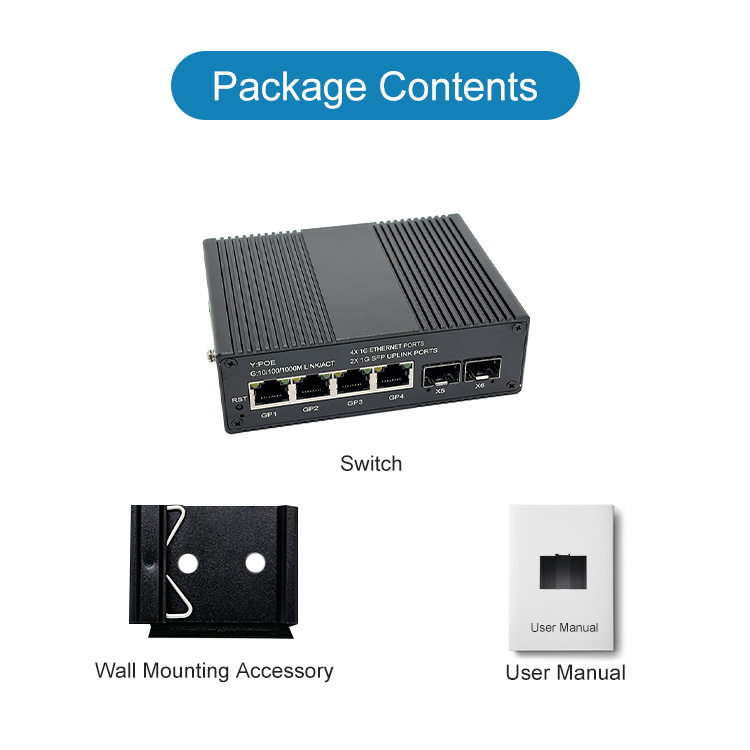
Energy Flow in a Solar POE System
The system comprises solar panels, a charge controller (often integrated into the switch), a battery bank (lithium or lead-acid), and the POE switch itself. During daylight, solar panels generate DC electricity, which the charge controller regulates to charge the batteries. The switch draws power from the battery bank and distributes it to connected devices via Ethernet ports. Advanced models feature Maximum Power Point Tracking (MPPT) to maximize solar harvest, especially under variable sunlight conditions.
Working with Lithium Batteries
Lithium batteries, particularly Lithium Iron Phosphate (LiFePO4), are increasingly popular for solar applications due to their high energy density, long cycle life (often exceeding 2000 cycles), and superior efficiency. When integrating a Solar POE switch with lithium batteries, the switch’s charge controller must be compatible with lithium charging profiles, which require precise voltage and current control. Typically, a lithium battery management system (BMS) is used to monitor cell balancing, temperature, and state of charge, and the POE switch can communicate with the BMS to optimize charging.
Key Considerations for Lithium Integration
- Charging Algorithm: The charge controller should implement a constant current/constant voltage (CC/CV) profile tailored to lithium batteries, with a typical absorption voltage around 14.4V for a 12V nominal system.
- Temperature Compensation: Lithium batteries are sensitive to temperature extremes; the switch should include temperature sensors to adjust charging parameters.
- Communication Protocol: Some advanced switches support protocols like CAN bus or RS485 to interface with the BMS, enabling features like remote monitoring and adaptive charging.
- Efficiency: Lithium batteries charge with over 95% efficiency, reducing waste heat and allowing the POE switch to operate more effectively in confined spaces.
Working with Lead-Acid Batteries
Lead-acid batteries, including flooded (wet-cell), AGM (Absorbent Glass Mat), and gel types, have been the traditional choice for solar storage due to their lower upfront cost. However, they require careful maintenance and have a shorter cycle life (300–800 cycles depending on depth of discharge). Solar POE switches compatible with lead-acid batteries employ charging stages: bulk, absorption, float, and sometimes equalization. The switch’s charge controller must accommodate the specific voltage setpoints for each stage.
Key Considerations for Lead-Acid Integration
- Voltage Settings: For a 12V deep-cycle battery, common absorption voltage is 14.4–14.8V, float voltage around 13.2–13.8V, and equalization voltage up to 15.5V (for flooded types). The switch should allow user-configurable settings.
- Temperature Compensation: Lead-acid battery voltage is temperature-dependent; the switch should adjust charging voltage by -3mV/°C per cell.
- State-of-Charge Monitoring: Unlike lithium, lead-acid batteries require periodic equalization to prevent sulfation. Some switches offer automatic equalization cycles.
- Maintenance: Flooded batteries require water topping and ventilation due to hydrogen off-gassing. The POE switch’s enclosure should be designed for outdoor use with adequate airflow.
Comparative Analysis: Lithium vs. Lead-Acid in Solar POE Systems
Performance Metrics
| Parameter | Lithium (LiFePO4) | Lead-Acid (AGM/Gel) |
|---|---|---|
| Energy Density (Wh/kg) | 90–120 | 30–50 |
| Cycle Life at 80% DoD | 2000–5000 | 300–800 |
| Depth of Discharge (DoD) | 80–100% | 50% (max for longevity) |
| Charging Efficiency | 95–99% | 70–85% |
| Weight | Light | Heavy |
| Self-Discharge per Month | 1–3% | 3–5% |
| Operating Temperature Range | -20°C to 60°C | -10°C to 50°C |
| Cost per kWh | Higher upfront | Lower upfront |
While lithium batteries offer superior performance, they also require a more sophisticated charge controller, which many modern Solar POE switches provide. Lead-acid batteries remain viable for budget-constrained projects where frequent replacement is acceptable.
Industrial-Grade Design and Protection Features
Solar POE switches from manufacturers like Shenzhen Ficotek Photonics Co., Ltd. (abbreviated FICOTEK) are engineered for harsh environments. They feature industrial-grade temperature resistance (-40°C to 85°C) and outdoor lightning protection up to 6kV, ensuring reliability in remote installations. The switches support lightweight network management protocols including VLAN, QoS, RSTP, ERPS, SNMP, and POE control, allowing administrators to remotely monitor power consumption and reboot devices. Link aggregation increases bandwidth for high-data applications. These features are crucial for sectors such as petroleum, energy storage, high-speed rail, wind power generation, and security.
FICOTEK’s Contribution to Solar POE Technology
Shenzhen Ficotek Photonics Co., Ltd. adheres to the business philosophy of efficient innovation and people-oriented. The company’s management team includes experts with rich experience in enterprise management and the development of optoelectronic and optical communication products for many years. They have also absorbed a group of experienced production and process technology engineers to provide strong technical support for the company’s products. FICOTEK operates its own factory, and with continuous growth in size and workforce, its production capacity steadily increases. The company can provide customized products with independent intellectual property rights according to customer requirements, offering both OEM and ODM services. All customers enjoy after-sales service that includes “one-year replacement, three-year warranty, and lifetime technical support.”
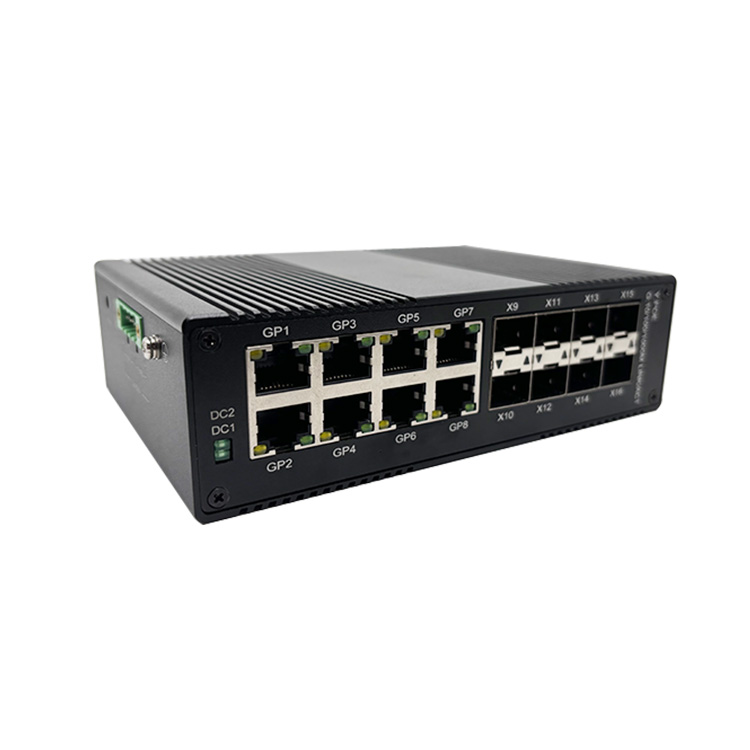
Comprehensive R&D and Testing Capabilities
FICOTEK possesses complete R&D and production equipment along with product testing instruments. The company’s capabilities span the entire industry chain—from optical components (TOSA, ROSA, BOSA) to optical modules, media converters, and industrial-grade switches. Every product released to the market undergoes rigorous reliability verification. The company holds numerous invention patents and utility model patents, underscoring its commitment to innovation. Friends from all walks of life are welcome to visit and provide guidance.
Application Examples across Industries
Solar POE switches with lithium or lead-acid battery backup are deployed in diverse scenarios. In the petroleum industry, they power remote wellhead monitoring cameras and sensors where grid power is unavailable. Energy storage facilities use them to manage battery bank communications and security perimeters. Along high-speed rail lines, these switches provide reliable wireless connectivity and surveillance without trenching cables. Wind power stations integrate them to monitor turbine operations and environmental conditions. Security installations in remote areas benefit from the combination of PoE and solar power, reducing installation costs.
Conclusion
The integration of Solar POE switches with lithium or lead-acid batteries enables robust, self-sustaining network infrastructures in off-grid locations. While lead-acid batteries remain cost-effective for less demanding applications, lithium batteries offer higher efficiency, longer life, and better performance in extreme temperatures. Advanced charge controllers and management features in industrial-grade switches—like those from FICOTEK—optimize the charging process for both chemistries, ensuring maximum uptime and minimal maintenance. As solar technology advances, these switches will play an increasingly vital role in powering the connected world sustainably.
Frequently Asked Questions
Q: Can a Solar POE switch charge both lithium and lead-acid batteries?
A: Many switches offer selectable charging profiles; always check compatibility with your battery type.
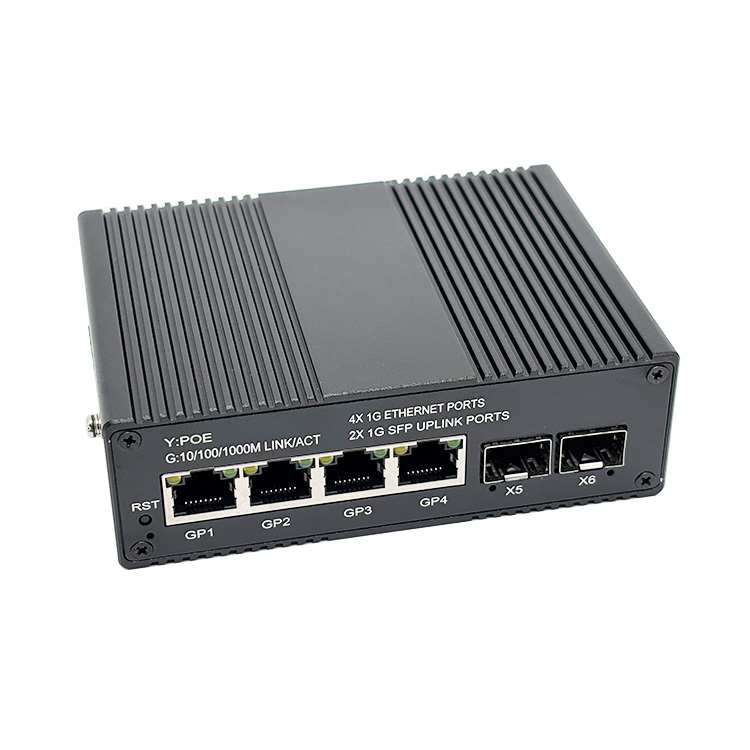
Q: What is the typical PoE power budget for solar-powered switches?
A: It varies from 60W to 300W+ depending on the model and available solar input.
Q: How do I size the solar panel and battery bank for a POE system?
A: Calculate total daily energy consumption (device power × runtime) and factor in solar insolation and battery capacity based on desired autonomy.