

This article provides a comprehensive checklist for buying a solar PoE switch, covering critical factors such as power budget, solar compatibility, environmental durability, network management features, safety, and customization options. It emphasizes the importance of choosing a switch with industrial-grade temperature resistance and lightning protection, especially for outdoor installations. The article highlights Shenzhen Ficotek Photonics Co., Ltd (FICOTEK) as a reliable manufacturer, noting their own factory, OEM/ODM services, rigorous reliability testing, and after-sales support including one-year replacement, three-year warranty, and lifetime technical support. FICOTEK’s switches feature lightweight network management, lower power consumption, and are used in industries like petroleum, energy storage, and security. The summary underscores that a thorough evaluation based on this checklist, combined with a trusted vendor like FICOTEK, ensures a solar PoE switch that is efficient, durable, and scalable for remote or off-grid applications.
In the rapidly evolving world of networking, Power over Ethernet (PoE) switches have become indispensable for powering devices like IP cameras, wireless access points, and VoIP phones. When these switches are integrated with solar power systems, they offer an eco-friendly and cost-effective solution for remote or off-grid installations. However, selecting the right solar PoE switch requires careful consideration of technical specifications, environmental durability, and vendor reliability. This comprehensive checklist guides buyers through the essential factors to evaluate before making a purchase, with insights from industry leaders like Shenzhen Ficotek Photonics Co., Ltd (FICOTEK), a company renowned for its innovative optical communication products.
1. Power Budget and PoE Standards
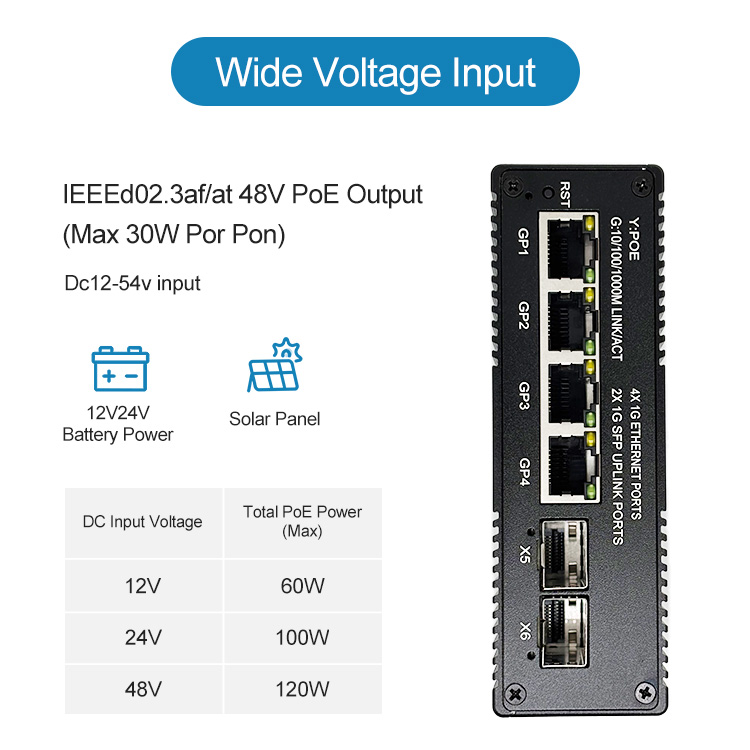
The first and foremost criterion is the power budget. A solar PoE switch must supply sufficient power to all connected devices. Check the total PoE power available and ensure it meets or exceeds the sum of power requirements of all endpoints. Common standards include IEEE 802.3af (up to 15.4W per port), 802.3at (up to 30W), and 802.3bt (up to 60W or even 90W). For solar applications, opt for switches with high efficiency to minimize energy loss. FICOTEK’s industrial-grade switches, for instance, are designed with lower power consumption, making them ideal for solar-powered setups where every watt counts.
2. Solar Panel and Battery Compatibility
A solar PoE switch is only as reliable as its power source. Ensure the switch can accept DC input from solar panels or batteries, typically ranging from 12V to 48V. Some switches feature built-in charge controllers or MPPT (Maximum Power Point Tracking) to optimize energy harvesting. Verify the input voltage range and whether the switch supports pass-through for battery charging. If the system uses a separate solar charge controller, confirm that the switch operates within the output voltage range. Many manufacturers, including FICOTEK, offer customizable power input options to match specific solar configurations.
3. Environmental Durability and IP Rating
Solar PoE switches are often deployed outdoors, exposed to extreme temperatures, humidity, dust, and lightning. Look for switches with an industrial temperature range (e.g., -40°C to 75°C) and an IP rating of at least IP40 for dust protection, or IP67 for full waterproofing. FICOTEK’s products feature industrial-grade temperature resistance and outdoor lightning protection capabilities, ensuring reliable operation in harsh environments. They are tested rigorously to withstand the elements, as any product launched by FICOTEK to the market undergoes rigorous reliability verification.
4. Network Management Features
Managed switches offer greater control and security. Essential features include VLAN for network segmentation, QoS for prioritizing traffic, RSTP/ERPS for network redundancy, SNMP for remote monitoring, and PoE control to remotely power cycle devices. Lightweight network management is a hallmark of FICOTEK switches, providing these capabilities without excessive complexity. For solar installations, features like link aggregation can increase bandwidth, while lower power consumption reduces the load on the solar system.
5. Safety and Surge Protection
Outdoor equipment is vulnerable to lightning strikes and power surges. A robust solar PoE switch should include built-in surge protection on both Ethernet and power ports. Look for compliance with standards like IEC 61000-4-5 for surge immunity. Some switches also offer ESD protection. FICOTEK incorporates outdoor lightning protection into their designs, safeguarding both the switch and connected devices. Additionally, the company holds invention patents and utility model patents, demonstrating their commitment to innovative safety solutions.
6. Power over Ethernet (PoE) Control and Scheduling
Managing power usage is crucial in solar systems. Advanced PoE switches allow per-port power control, enabling users to turn off non-essential devices during low-sunlight hours. Scheduling features can automate power delivery based on time or battery voltage. This not only extends battery life but also ensures critical devices remain online. FICOTEK’s switches support PoE control, giving network administrators fine-grained power management capabilities.
7. Optical Fiber Connectivity
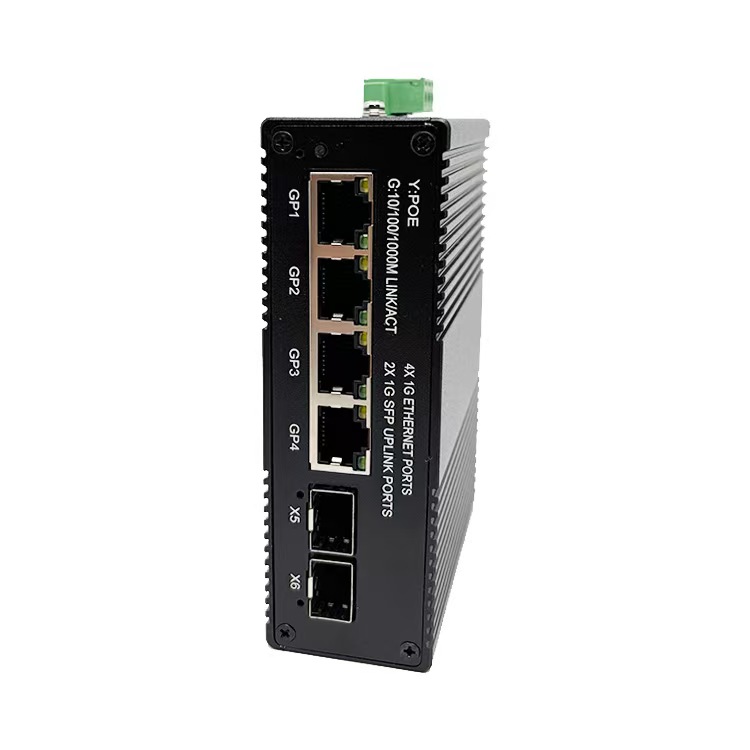
In many remote solar installations, copper Ethernet cables are impractical over long distances. Solar PoE switches often include SFP slots for fiber optic connections, which can extend reach up to tens of kilometers. When selecting a switch, consider the number of fiber ports and the supported standards (1000BASE-SX/LX, 10G). FICOTEK has complete R&D and production capabilities across the entire industry chain from optical components to TOSA/ROSA/BOSA, optical modules, media converters, and industrial switches. This vertical integration ensures high-quality fiber connectivity options.
8. Customization and OEM/ODM Services
Every solar project has unique requirements. A vendor that offers customization can tailor the switch’s hardware, firmware, or labeling to your needs. FICOTEK provides customized products with independent intellectual property rights according to customer requirements. They offer OEM and ODM services, allowing clients to brand the switches as their own. This flexibility is invaluable for system integrators and large-scale deployments.
9. Warranty and Technical Support
Reliability is paramount when equipment is deployed in the field. Look for a comprehensive warranty covering replacement and repair. FICOTEK stands behind its products with an after-sales service of “one-year replacement, three-year warranty, and lifetime technical support.” This commitment reduces long-term costs and provides peace of mind. Their management personnel and engineering teams have rich experience in enterprise management and optoelectronic product development, ensuring responsive support.
10. Production Capacity and Quality Assurance
Verify that the manufacturer can deliver the required quantities on time. FICOTEK owns a factory with continuous growth in size and employee count, leading to increased production capacity. They possess complete R&D and production equipment, as well as product testing instruments. Every switch undergoes rigorous reliability verification before shipment. This quality assurance process minimizes defect rates and ensures consistent performance.
11. Industry Applications and Use Cases
Solar PoE switches find applications in various industries including petroleum, energy storage, high-speed rail, wind power generation, and security. For example, in oil fields, they power remote monitoring cameras; in wind farms, they connect sensor arrays. FICOTEK’s products are widely used in these sectors, as they provide industrial-grade durability and lightning protection. Understanding your specific application helps in selecting the appropriate switch model.
12. Total Cost of Ownership (TCO)
While upfront cost is important, consider the long-term expenses including energy consumption, maintenance, and potential replacements. A switch with lower power consumption and robust build quality may have a higher initial price but lower TCO. FICOTEK’s switches feature lower power consumption, reducing the size of solar panels and batteries needed. Additionally, the long warranty period and lifetime support further lower TCO.
13. Compliance and Certifications
Ensure the switch meets relevant industry standards and certifications such as CE, FCC, RoHS, and UL. For outdoor use, check for NEMA or IP certifications. FICOTEK’s products comply with international standards, and the company has received multiple patents and certifications, reflecting their dedication to quality and compliance.
14. Remote Management and Monitoring
Solar installations are often in remote locations. A switch with SNMP or web-based management allows administrators to monitor power consumption, port status, and traffic remotely. Some switches integrate with cloud platforms for real-time alerts. FICOTEK’s switches offer lightweight network management with SNMP support, enabling seamless integration into existing monitoring systems.
15. Scalability and Future-Proofing
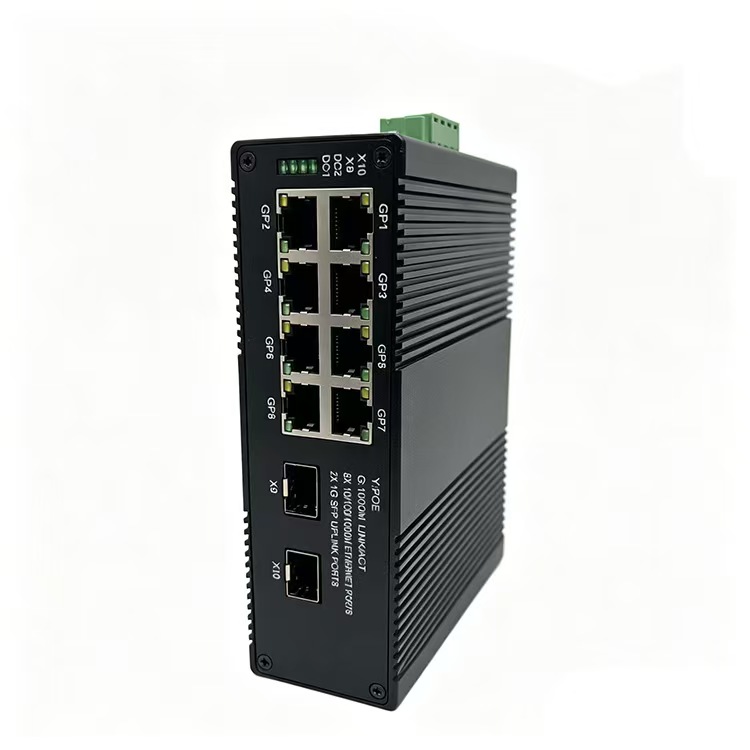
Choose a switch that can accommodate growth. Look for models with additional ports, PoE budget headroom, and support for higher PoE standards. Modular switches allow adding fiber or PoE modules later. FICOTEK offers a range of products from 4-port to 24-port configurations, with options for both copper and fiber uplinks, ensuring scalability for expanding networks.
Conclusion
Investing in a solar PoE switch requires a thorough evaluation of technical, environmental, and vendor-related factors. By following this checklist, buyers can avoid common pitfalls and select a solution that delivers reliable, long-term performance. Companies like FICOTEK exemplify the ideal manufacturer—combining robust engineering, customization options, rigorous testing, and exceptional support. Whether for remote surveillance, industrial automation, or green energy projects, the right solar PoE switch will power your network sustainably and efficiently.
Remember to visit FICOTEK’s facilities or contact them for guidance; the company welcomes friends from all walks of life to visit and provide input. With their complete in-house capabilities from optical components to finished switches, FICOTEK stands ready to meet the most demanding solar PoE switch requirements.