

Solar POE switch lead times can cause significant project delays if not properly managed. Factors such as component shortages, customization complexity, and supplier capabilities all influence lead times. To avoid delays, project managers should engage with suppliers early, maintain buffer inventory, qualify products through pre-production samples, diversify supply chains wisely, and provide clear specifications. A supplier like Shenzhen Ficotek Photonics Co., Ltd. (FICOTEK) exemplify best practices with vertically integrated manufacturing from optical components to finished switches, rigorous testing, and a strong R&D team. Their people-oriented management and efficient innovation philosophy enable them to offer competitive lead times while ensuring high reliability. By adopting strategic planning and partnering with reliable manufacturers, solar projects can mitigate the risk of delays and achieve timely completion.
Introduction
In the rapidly evolving solar energy industry, Power over Ethernet (POE) switches play a critical role in connecting and powering devices such as surveillance cameras, sensors, and communication equipment. However, project delays often stem from unexpected supplier lead times for these specialized switches. Understanding and managing lead times is essential for maintaining project schedules and budgets. This article explores the factors affecting lead times for solar POE switches and provides actionable strategies to mitigate delays, with insights from industry leader Shenzhen Ficotek Photonics Co., Ltd. (FICOTEK).
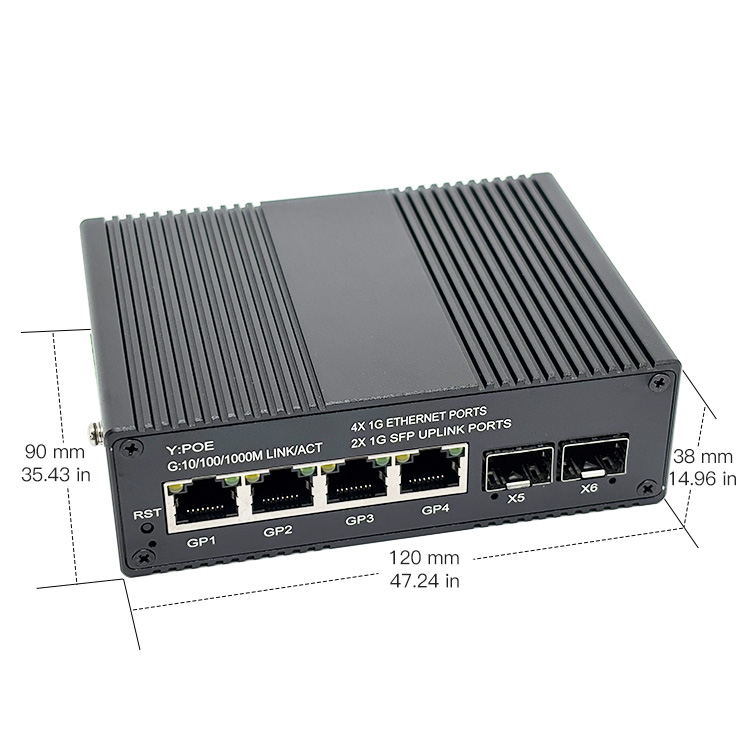
Understanding Lead Times for Solar POE Switches
Lead time refers to the period between placing an order and receiving the product. For solar POE switches, lead times can vary from a few weeks to several months, depending on complexity, customization, and supply chain dynamics. Standard models may ship within 2-4 weeks, while customized units with specific industrial-grade features can take 8-12 weeks or longer. Factors include component availability, manufacturing capacity, and testing requirements.
Key Components Affecting Lead Times
Solar POE switches require robust components like industrial-grade chips, power over Ethernet controllers, and surge protection modules. Global semiconductor shortages have exacerbated delays. Additionally, products with outdoor lightning protection and wide temperature ranges demand specialized parts that may have longer procurement cycles.
The Role of Supplier Capabilities
Choosing a supplier with strong R&D and manufacturing capabilities can significantly reduce lead times. FICOTEK, for example, has a complete vertically integrated production chain from optical components to finished industrial switches. This integration allows for better control over scheduling. With its own factory and growing workforce, FICOTEK continuously expands capacity to meet demand while maintaining quality.
FICOTEK’s business philosophy of efficient innovation and people-oriented management ensures streamlined processes. Their team includes experienced management and technical engineers who optimize production and reduce bottlenecks. Clients benefit from a one-year replacement, three-year warranty, and lifetime technical support, adding value beyond lead time.
Customization and Its Impact on Lead Times
Many solar projects require customized POE switches with specific port configurations, power budgets, or network management features (VLAN, QoS, RSTP, ERPS, SNMP, PoE control, link aggregation). Customization can extend lead times due to design, prototyping, and validation. However, suppliers like FICOTEK offer OEM and ODM services with dedicated support. They have invention and utility model patents that allow rapid adaptation of existing designs to client needs, reducing development time.
To avoid delays, it’s crucial to communicate customization requirements early. Standardizing as much as possible can also shorten lead times. FICOTEK’s product line includes industrial-grade temperature resistance and outdoor lightning protection, which are already built into many standard models, minimizing the need for deep customization.
Strategies to Avoid Project Delays
1. Early Engagement with Suppliers
Start discussions with potential suppliers at the project design phase. This allows for lead time estimation and reservation of production slots. For large orders, consider placing non-cancellable advance orders to secure priority.
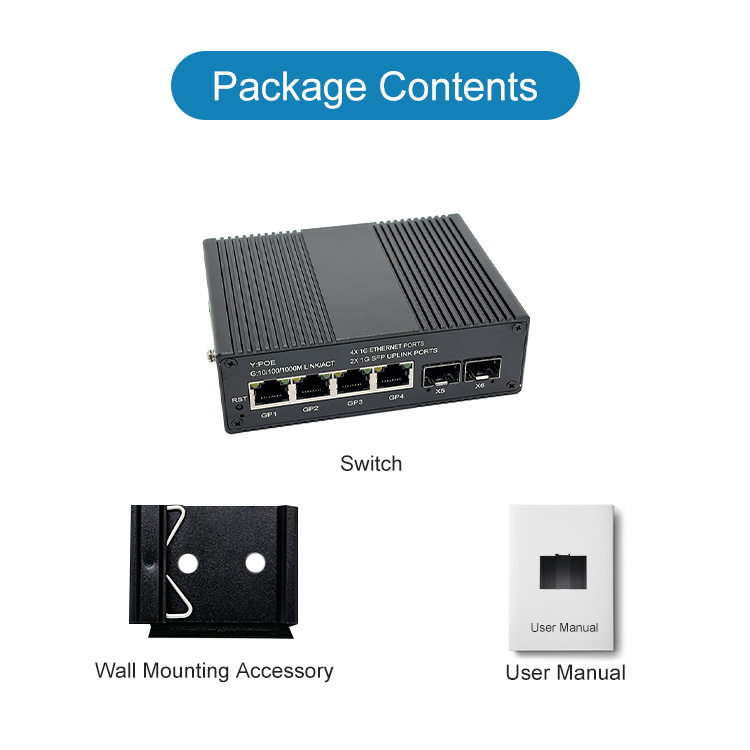
2. Buffer Inventory Planning
Maintain a safety stock of critical components or finished POE switches. Analyze historical usage and lead time variability to determine optimal buffer levels. FICOTEK’s commitment to lifetime technical support can assist with inventory planning through reliable supply data.
3. Technical Qualification and Testing
Request pre-production samples for testing before mass production. This identifies issues early and avoids rework delays. FICOTEK performs rigorous reliability verification on every product, including extensive testing in industrial environments (petroleum, energy storage, high-speed rail, wind power, security).
4. Supply Chain Diversification
While a single supplier relationship can be beneficial, having backup options mitigates risk. However, building long-term partnerships with integrated manufacturers like FICOTEK often yields better lead time reliability than spreading orders across multiple less capable vendors.
5. Clear Specifications and Documentation
Provide detailed technical requirements to avoid misunderstandings. FICOTEK’s engineering team can assist in creating comprehensive specifications that align with their production capabilities, ensuring first-pass success.
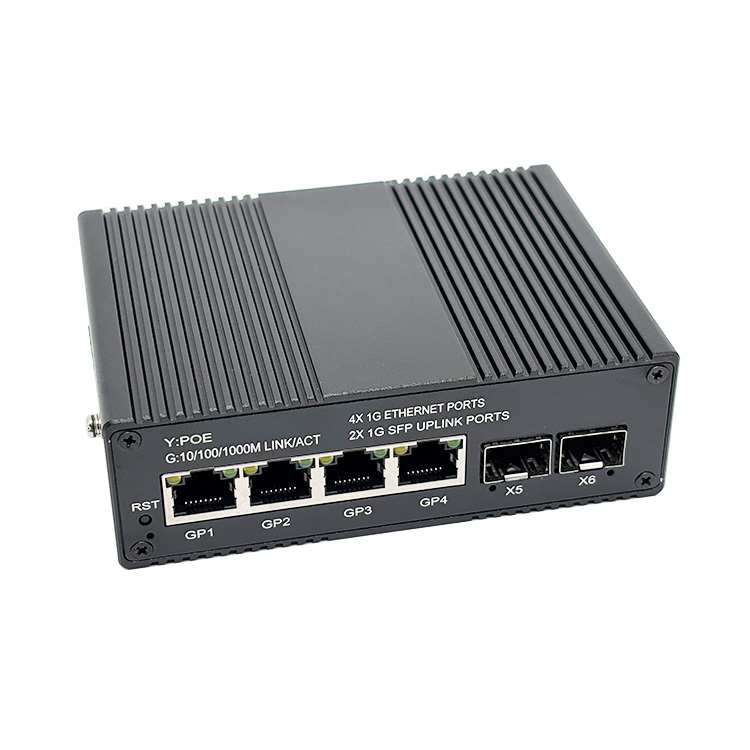
Case Study: FICOTEK’s Approach to Lead Time Management
FICOTEK’s factory has full R&D and production equipment, from optical components to optical modules, media converters, and industrial switches. They have complete testing instruments and a strong quality assurance process. This integration allows them to offer competitive lead times while maintaining quality. For example, a standard solar POE switch with basic features might ship in 3-4 weeks, while a fully customized version with unique port counts and ERPS support could be delivered in 8-10 weeks, depending on current workload.
FICOTEK also holds several invention and utility model patents, which enable their engineers to quickly adapt innovative solutions without starting from scratch. Their people-oriented management ensures that production teams are motivated and efficient, further reducing cycle times.
Conclusion
Managing supplier lead times is crucial for solar projects using POE switches. By understanding the factors that affect lead times and working with capable partners like FICOTEK, project managers can anticipate delays and implement strategies to stay on track. From early engagement to buffer inventory and technical collaboration, proactive planning is key. FICOTEK’s integrated manufacturing, robust quality standards, and customer-centric services make them a reliable choice for minimizing project delays in the demanding solar industry.