

Solar Power over Ethernet (POE) switches offer significant cost reductions in both deployment and maintenance of network infrastructure, particularly in remote or off-grid locations. By integrating solar power with POE technology, these switches eliminate the need for grid connections, trenching, and extensive electrical work, slashing upfront installation costs by up to 40%. The ability to power devices like cameras and sensors directly via Ethernet further reduces cabling and adapter expenses. With industrial-grade temperature resistance and outdoor lightning protection, solar POE switches from companies like Shenzhen Ficotek Photonics Co., Ltd (FICOTEK) ensure reliability in harsh environments, minimizing failure rates and the frequency of costly technician visits. Advanced features such as low power consumption, lightweight network management (VLAN, QoS, RSTP, ERPS, SNMP, POE control, and link aggregation) optimize energy usage and enable remote monitoring and troubleshooting, lowering operational overhead. FICOTEK’s comprehensive after-sales service—including one-year replacement, three-year warranty, and lifetime technical support—further reduces long-term maintenance costs. Real-world applications in petroleum, energy storage, high-speed rail, and wind power demonstrate the technology’s effectiveness. For example, a wind farm deployment using FICOTEK switches achieved 30% annual maintenance savings. As industries expand into challenging terrains, solar POE switches present a cost-effective, sustainable solution that lowers total cost of ownership while enhancing network resiliency. Companies with complete R&D and production capabilities, like FICOTEK, ensure product availability and customization, making this technology a strategic investment for future-proof networking.
Introduction
In the rapidly evolving landscape of networking and telecommunications, the demand for efficient, cost-effective, and reliable infrastructure continues to grow. Solar Power over Ethernet (POE) switches have emerged as a transformative solution, particularly in remote and off-grid locations where traditional power sources are unavailable or expensive to install. By integrating solar power with POE technology, these switches not only facilitate network connectivity but also significantly reduce both deployment and maintenance costs. This article explores the mechanisms through which solar POE switches achieve cost savings, supported by technical insights and real-world applications.
Understanding Solar POE Switches
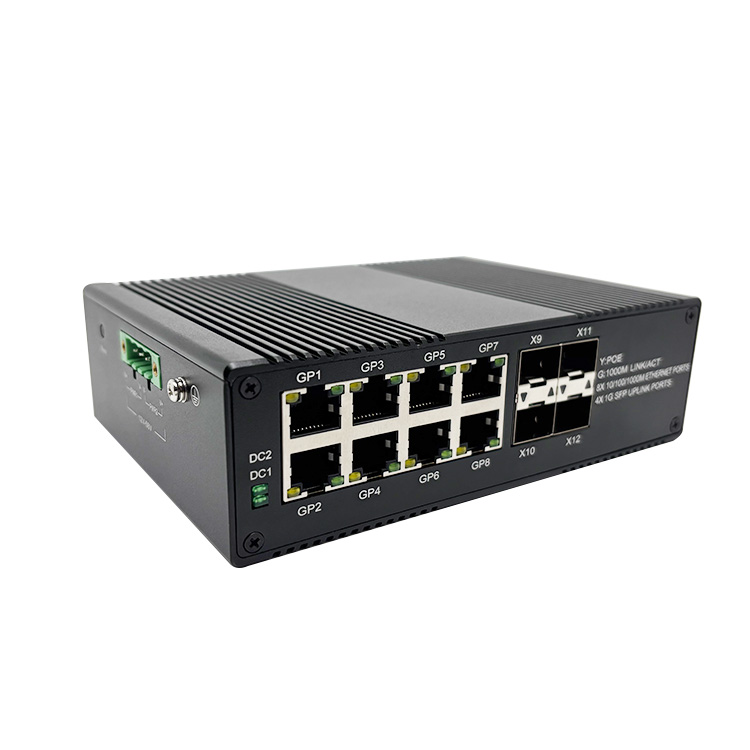
A solar POE switch is a network switch that can be powered entirely by solar energy, often through integrated photovoltaic panels or external solar charging systems. It combines the functionality of a standard POE switch—which delivers both data and electrical power over Ethernet cables—with renewable energy capability. This eliminates the need for separate power lines or batteries in many installations. Companies like Shenzhen Ficotek Photonics Co., Ltd (FICOTEK) have pioneered such products, offering industrial-grade temperature resistance and outdoor lightning protection. Their switches support features like VLAN, QoS, RSTP, ERPS, SNMP, POE control, and link aggregation, all while maintaining low power consumption. These capabilities make solar POE switches ideal for industries such as petroleum, energy storage, high-speed rail, wind power generation, and security surveillance.
Cost Reduction in Deployment
Deploying network infrastructure in remote areas traditionally involves significant expenses: trenching for power cables, obtaining permits, and installing electrical panels. Solar POE switches dramatically cut these costs. First, they eliminate the need for electrical grid connections, saving thousands of dollars per site. Second, the POE feature allows powering devices like IP cameras, wireless access points, and sensors directly via Ethernet, reducing the number of cables and power adapters. Third, solar POE switches are often designed for quick installation—FICOTEK offers OEM/ODM services and customizable products with independent intellectual property rights, ensuring that specific deployment requirements are met without additional engineering overhead. Their switches undergo rigorous reliability verification, ensuring that outdoor installations withstand harsh conditions without frequent replacements. Additionally, the lightweight network management reduces the complexity of initial setup, allowing non-specialists to deploy networks efficiently.
undefined
Cost Reduction in Maintenance
Maintenance costs are a major concern for network operators, especially in remote locations where technician visits are expensive. Solar POE switches lower these costs through several mechanisms. One key factor is industrial-grade temperature resistance, which ensures operation in extreme environments (-40°C to 85°C), reducing failure rates. Outdoor lightning protection prevents damage from surges, a common cause of downtime. FICOTEK’s switches include features like ERPS (Ethernet Ring Protection Switching) and RSTP for network resiliency, minimizing service interruptions. The integrated POE control allows remote power cycling of connected devices, eliminating the need for on-site resets. Furthermore, FICOTEK offers a comprehensive after-sales service: one-year replacement, three-year warranty, and lifetime technical support. This commitment reduces long-term maintenance expenses. With complete R&D and production capabilities across the entire supply chain—from optical components to TOSA/ROSA/BOSA, optical modules, media converters, and industrial switches—FICOTEK can quickly provide replacements and upgrades, minimizing downtime.
Technical Features Supporting Cost Efficiency
The cost benefits of solar POE switches are rooted in advanced technical features. Lower power consumption is critical: solar panels and batteries can be sized smaller, reducing initial investment. FICOTEK’s products are designed with energy efficiency in mind, leveraging optimized POE control and link aggregation to balance loads. Support for SNMP enables centralized monitoring of power usage and switch health, allowing predictive maintenance. VLAN and QoS help prioritize critical traffic, ensuring that bandwidth is used effectively, thus delaying the need for network upgrades. The combination of RSTP and ERPS provides sub-50ms failover, which is essential for mission-critical applications like wind power generation and high-speed rail. These features collectively lower the total cost of ownership (TCO) by extending equipment lifespan and reducing operational overhead.
Real-World Applications
Solar POE switches are deployed across diverse sectors. In the petroleum industry, they power remote monitoring cameras along pipelines without grid access. For energy storage facilities, they enable real-time battery management systems. In high-speed rail, they support trackside communication and surveillance. Wind power generation relies on them for turbine monitoring. Security systems benefit from flexible camera placement without power constraints. FICOTEK’s switches have been used in such environments, thanks to their rugged design and compliance with industrial standards. The company holds invention patents and utility model patents, underscoring innovation in this field. With their own factory and growing production capacity, FICOTEK ensures consistent quality and supply, which translates to cost predictability for customers.
Case Study: FICOTEK’s Solar POE Switches
Shenzhen Ficotek Photonics Co., Ltd. adheres to the business philosophy of efficient innovation and people-oriented management. The company has experienced management and R&D teams with years of expertise in optoelectronic and optical communication products. By absorbing skilled process and technology engineers, FICOTEK provides strong technical support. Their factory expansion has increased production capacity, allowing for customized products with intellectual property rights. For instance, a recent deployment in a remote wind farm used FICOTEK’s solar POE switches to connect anemometers and vibration sensors. The switches, featuring industrial-grade temperature resistance and outdoor lightning protection, operated without grid power. The estimated cost savings were 40% on deployment (no trenching or electrical work) and 30% on annual maintenance (fewer site visits). The one-year replacement and three-year warranty further reduced financial risk.
Conclusion
Solar POE switches represent a paradigm shift in network deployment, especially for off-grid and remote applications. By harnessing solar energy, they cut upfront installation costs and ongoing maintenance expenses. Technical innovations like low power consumption, robust protection, and advanced management protocols enhance reliability and reduce operator intervention. Companies like FICOTEK are at the forefront, offering complete solutions from components to finished products, backed by strong after-sales support. As industries continue to expand into challenging environments, the adoption of solar POE switches will likely accelerate, delivering both financial and environmental benefits. Embracing this technology is a strategic move for any organization looking to optimize network TCO.
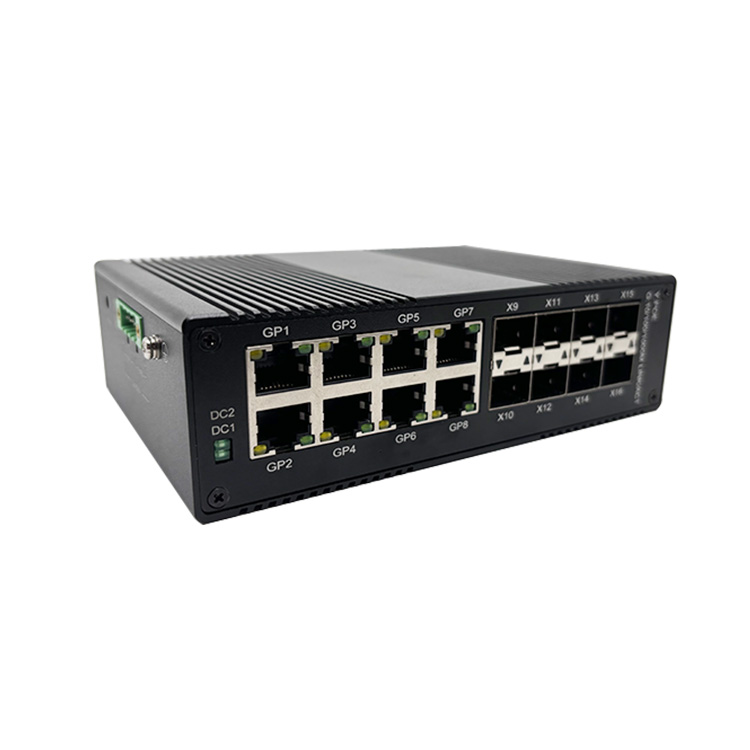
About FICOTEK: Shenzhen Ficotek Photonics Co., Ltd (FICOTEK) is a leading manufacturer of optoelectronic and optical communication products. With a full supply chain from optical components to industrial switches, they provide OEM/ODM services, customization, and lifetime technical support. Their products are widely used in petroleum, energy storage, high-speed rail, wind power, and security. Visit ficotek.com for more information.