

This article provides a comprehensive guide to negotiating better terms with a solar POE switch supplier, using Shenzhen Ficotek Photonics Co., Ltd (FICOTEK) as a case study. It emphasizes the importance of understanding the supplier’s core strengths, such as in-house manufacturing, R&D capabilities, and patented technologies, which can be leveraged for favorable terms. Key negotiation tactics include volume commitments, customization arrangements, extended payment terms, and enhanced warranty support. The article advises buyers to prepare through market research, set clear objectives, and build long-term relationships to achieve cost savings and reliable supply. Common pitfalls like overemphasizing price or ignoring contract details are highlighted. By focusing on total cost of ownership and collaboration, buyers can secure better deals while ensuring product quality and support. FICOTEK’s factory-direct model, intellectual property, and after-sales policies make them a strong partner for industrial-grade solar POE switches.
Negotiating with a solar POE switch supplier requires a strategic approach that balances cost, quality, and long-term partnership. Suppliers like Shenzhen Ficotek Photonics Co., Ltd (FICOTEK) offer unique advantages such as in-house manufacturing and patented technologies, which can be leveraged for favorable terms. This article explores effective negotiation techniques while highlighting the value proposition of a capable supplier.
Understanding the Supplier’s Core Strengths
Before entering negotiations, buyers must research the supplier’s capabilities. FICOTEK, for instance, adheres to a philosophy of efficient innovation and people-oriented management. Their team includes veterans in optoelectronics and optical communication, supported by production and process engineers. Crucially, FICOTEK owns its factory, ensuring direct control over production capacity and quality. They offer OEM and ODM services, with after-sales support including one-year replacement, three-year warranty, and lifetime technical assistance. Such strengths can be used to negotiate better terms, as the supplier’s stability and expertise reduce buyer risk.
undefined
Key Product Features as Negotiation Leverage
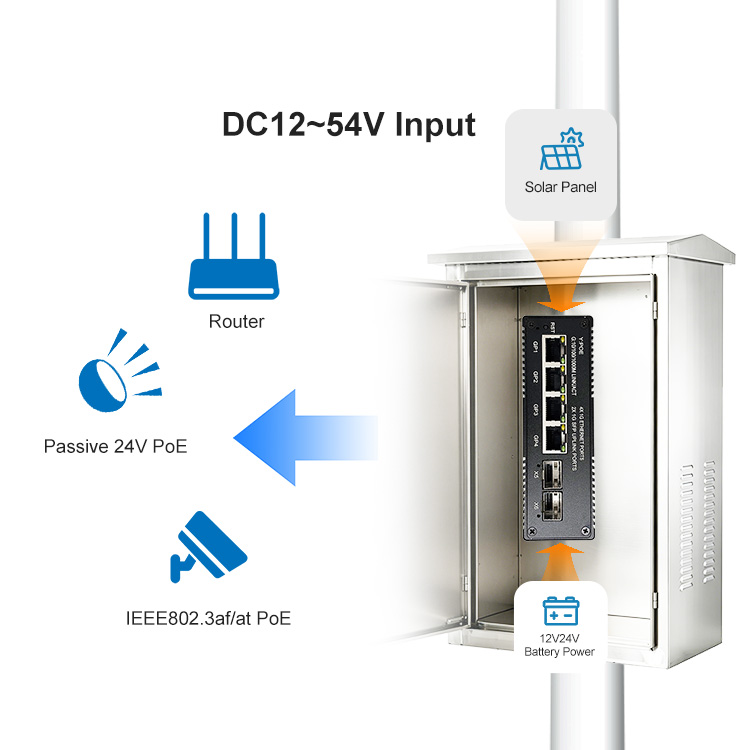
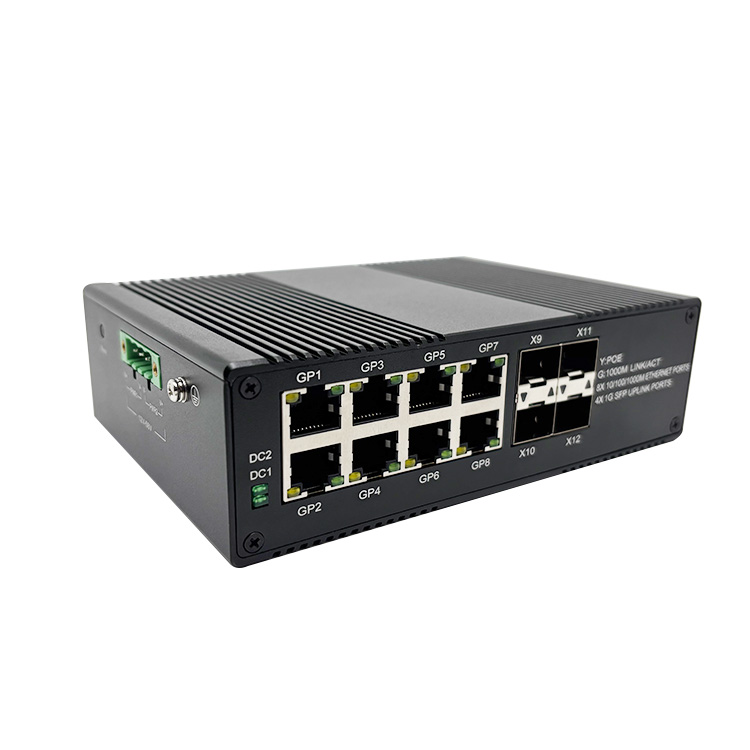
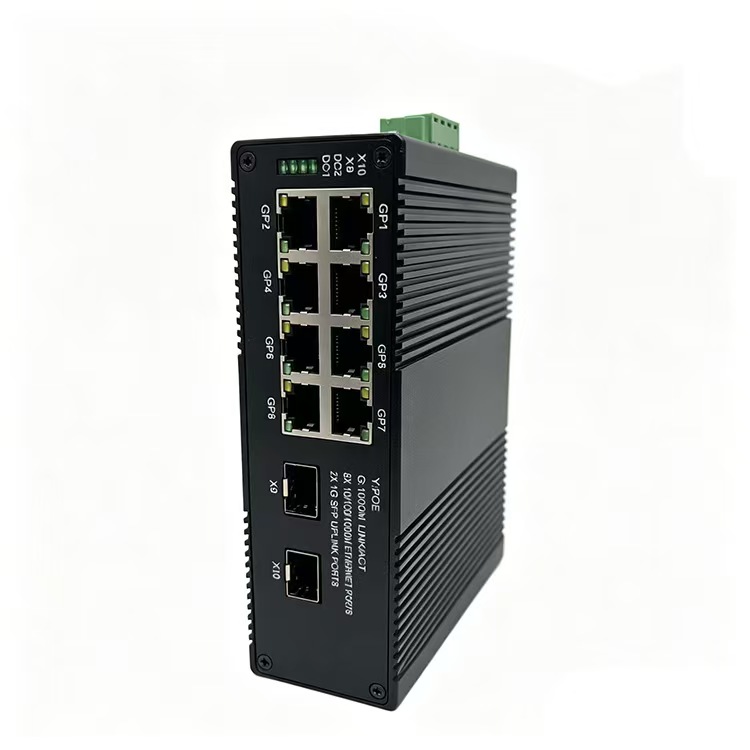
FICOTEK’s solar POE switches feature industrial-grade temperature resistance, outdoor lightning protection, and lightweight network management with VLAN, QoS, RSTP, ERPS, SNMP, POE control, link aggregation, and low power consumption. These attributes are critical for applications in petroleum, energy storage, high-speed rail, wind power, and security. When negotiating, buyers can emphasize their need for such specialized features, which might justify volume discounts or customized solutions. Suppliers are often willing to adjust terms for large orders that showcase their technology in demanding environments.
Pre-Negotiation Preparation
Successful negotiation begins with thorough preparation. Buyers should gather market intelligence on comparable suppliers, establish a target price range, and define must-have terms. For FICOTEK, understanding their full industry chain—from optical components to TOSA/ROSA/BOSA, optical modules, media converters, and industrial switches—reveals their vertical integration. This reduces dependency on external components, potentially lowering costs and lead times. Buyers can request cost breakdowns to identify areas for savings. Additionally, knowing that FICOTEK holds invention and utility model patents can be used to discuss licensing or exclusivity arrangements.
Setting Clear Objectives
Define priorities: price per unit, payment terms (e.g., net 30 vs. net 60), minimum order quantities (MOQs), lead times, warranty extensions, and customization fees. For a solar POE switch, consider asking for free samples or testing units to verify performance under harsh weather. FICOTEK’s rigorous reliability testing ensures products are market-ready, which can be a selling point to justify a slightly higher price but with better support terms. Prepare a fallback position, such as accepting a longer warranty in exchange for a lower upfront price.
Key Negotiation Tactics
Volume Commitments and Long-Term Agreements
Suppliers like FICOTEK value predictable demand. Offering a multi-year contract or a large initial order can unlock discounts. For example, committing to 500 units annually might reduce unit price by 10-15%. Buyers can also negotiate consignment inventory, where the supplier holds stock at their facility for just-in-time delivery, freeing up buyer capital. FICOTEK’s growing factory capacity means they can scale production, so volume commitments are attractive.
Customization and Intellectual Property
If the buyer requires custom firmware or hardware modifications, FICOTEK’s R&D capabilities are a strong asset. In exchange for customization, buyers might negotiate lower NRE (non-recurring engineering) fees or exclusive rights to the design for a period. Since FICOTEK has its own intellectual property, they may be open to co-development that shares patent ownership or licensing fees. This can be a win-win: the buyer gets a tailored product, and the supplier gains a unique offering for their portfolio.
Payment Terms and Financing
For large orders, request extended payment terms. Start with net 60, then aim for net 90 if good credit is established. Some suppliers offer early payment discounts (e.g., 2% off if paid within 10 days). Alternatively, consider letter of credit (L/C) for international transactions to reduce risk. FICOTEK’s stability as a factory owner may allow them to offer more flexible terms than trading companies. Also, inquire about vendor-managed inventory (VMI) programs that defer payment until goods are consumed.
Warranty and After-Sales Support
The standard warranty is one-year replacement and three-year repair. Aim to extend this to five years for critical infrastructure. FICOTEK’s lifetime technical support is already strong, but ensure it covers firmware updates and remote troubleshooting. Negotiate a response time guarantee (e.g., 24-hour technical support) and a spare parts provision. If the buyer has multiple sites, request on-site training or support during the first deployment. These services add value without direct cost to the supplier if offered as part of a larger deal.
Leveraging FICOTEK’s Unique Advantages
FICOTEK’s factory-direct model eliminates middlemen, offering competitive pricing. Their complete R&D and production equipment enable end-to-end quality control. When negotiating, buyers can request factory audits or quality reports to build trust. Use their patent portfolio to discuss technology differentiation; for instance, if the buyer’s application needs specific lightning protection or low power consumption, FICOTEK can highlight their patented solutions. This technical edge can justify premium pricing but also gives the buyer a reason to lock in a partnership.
Building a Long-Term Relationship
Suppliers are more likely to offer better terms to loyal customers. After initial negotiations, maintain regular communication, share demand forecasts, and provide feedback on product performance. FICOTEK’s management values people-oriented approaches, so building rapport with sales and engineering teams can lead to preferential treatment. Consider annual business reviews to adjust terms based on market changes. A long-term partnership might also include joint marketing efforts or product roadmaps that benefit both parties.
Common Pitfalls to Avoid
- Focusing only on price: A low price might come with poor quality or limited support. Evaluate total cost of ownership, including maintenance and downtime.
- Ignoring contract details: Pay attention to force majeure, termination clauses, and intellectual property ownership, especially for custom designs.
- Overlooking cultural nuances: Chinese suppliers like FICOTEK value relationships (guanxi) and face-saving. Negotiate respectfully and avoid aggressive tactics.
- Not verifying claims: Request certifications (e.g., CE, FCC) and test reports for solar POE switches. FICOTEK’s reliability verification should be documented.
Conclusion
Negotiating better terms with a solar POE switch supplier like FICOTEK is a multifaceted process that benefits from preparation, understanding supplier strengths, and building a collaborative relationship. By focusing on volume commitments, customization opportunities, and extended support, buyers can achieve favorable pricing, payment terms, and service levels. FICOTEK’s factory ownership, patents, and comprehensive product line provide leverage for both sides to create a win-win agreement. When executed well, these negotiations lead to cost savings, enhanced product performance, and a resilient supply chain for solar and industrial applications.
Summary: This article provides a comprehensive guide to negotiating better terms with a solar POE switch supplier, using Shenzhen Ficotek Photonics Co., Ltd (FICOTEK) as a case study. It emphasizes the importance of understanding the supplier’s core strengths, such as in-house manufacturing, R&D capabilities, and patented technologies, which can be leveraged for favorable terms. Key negotiation tactics include volume commitments, customization arrangements, extended payment terms, and enhanced warranty support. The article advises buyers to prepare through market research, set clear objectives, and build long-term relationships to achieve cost savings and reliable supply. Common pitfalls like overemphasizing price or ignoring contract details are highlighted. By focusing on total cost of ownership and collaboration, buyers can secure better deals while ensuring product quality and support. FICOTEK’s factory-direct model, intellectual property, and after-sales policies make them a strong partner for industrial-grade solar POE switches.