

Verifying a solar PoE switch factory’s certifications and standards is essential for ensuring reliable and safe operation in renewable energy systems. This article outlines a step-by-step process to verify factory credentials, emphasizing key certifications such as ISO 9001, ISO 14001, UL, CE, FCC, RoHS, and PoE-specific standards like IEEE 802.3af/at/bt. Practical steps include requesting documentation, auditing the factory, reviewing test reports from accredited labs, checking product markings, and cross-verifying with accreditation bodies. Advanced techniques involve tracing component origins, verifying software compliance with cybersecurity standards, and assessing long-term reliability data. The article highlights Shenzhen Ficotek Photonics Co., Ltd. (FICOTEK) as a model factory that meets these standards, noting their own factory, experienced management, complete R&D and production capabilities, rigorous reliability verification, and comprehensive after-sales service (one-year replacement, three-year warranty, lifetime technical support). FICOTEK also holds invention and utility model patents, and their products feature industrial-grade temperature resistance, outdoor lightning protection, and advanced network management features. Common red flags include incomplete documentation, low prices, lack of transparency, and absence of warranty. By following these verification steps, buyers can confidently select a factory that ensures product quality and compliance, ultimately protecting their solar power investment.
In the rapidly evolving field of renewable energy, solar power systems rely heavily on robust and reliable communication networks. Power over Ethernet (PoE) switches play a critical role in connecting solar panels, inverters, monitoring devices, and security cameras. However, not all PoE switches are created equal, especially when deployed in harsh outdoor environments. To ensure long-term performance and safety, it is essential to verify that the factory producing these switches adheres to stringent certifications and standards. This article provides a comprehensive guide on how to verify a solar PoE switch factory’s certifications and standards, with insights from industry leaders like Shenzhen Ficotek Photonics Co., Ltd. (abbreviated as FICOTEK), a company known for its commitment to quality and innovation.
Understanding Solar PoE Switches and Their Requirements
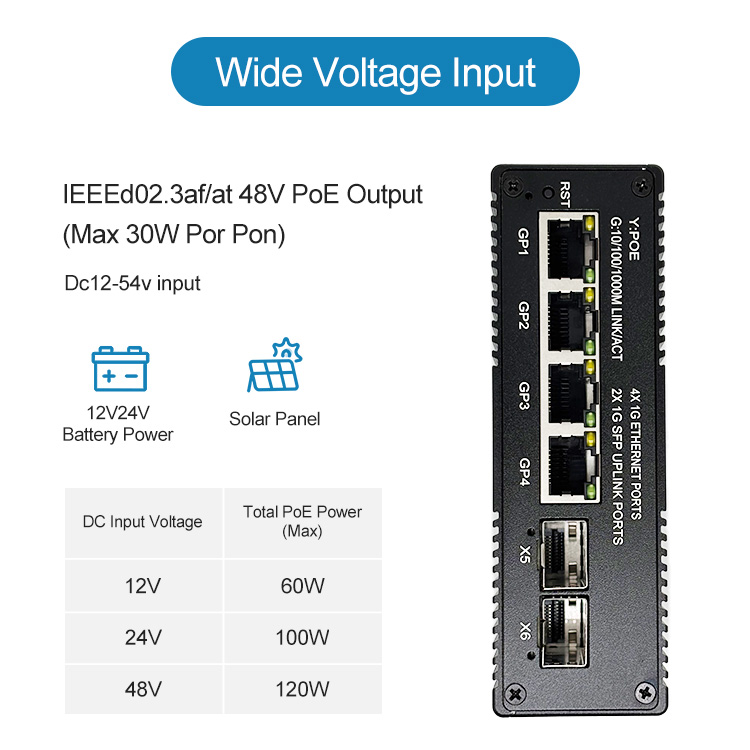
Solar PoE switches are designed to supply power and data over a single Ethernet cable to devices such as IP cameras, wireless access points, and sensors used in solar farms. These switches must withstand extreme temperatures, humidity, dust, and lightning strikes. Typical certifications include industrial-grade temperature ratings (e.g., -40°C to 75°C), outdoor lightning protection, and compliance with international standards like IEEE 802.3af/at/bt for PoE, IEC 61000-4-5 for surge immunity, and IP40 or IP65 for enclosure protection. Factories that produce these switches should have ISO 9001 for quality management, ISO 14001 for environmental management, and relevant product-specific certifications such as CE, FCC, RoHS, and UL.
For instance, FICOTEK adheres to a business philosophy of efficient innovation and being people-oriented. Their management team includes experienced professionals who have been engaged in the development and market expansion of optoelectronic and optical communication products for many years. This expertise ensures that their products meet the rigorous demands of solar applications.
undefined
Key Certifications to Look For
1. ISO Certifications
ISO 9001:2015 is the international standard for quality management systems. A factory with ISO 9001 certification demonstrates consistent product quality and continuous improvement. Similarly, ISO 14001 reflects environmental responsibility. FICOTEK has a complete R&D and production equipment and product testing instruments, with full capabilities from optical components to industrial-grade switches. Their commitment to quality is evident in their rigorous reliability verification process for every product launched.
2. Electrical Safety Certifications
UL (Underwriters Laboratories) certification is crucial for North American markets, while CE marking is mandatory for Europe. These certifications ensure that the switch meets safety standards for electrical shock, fire, and mechanical hazards. Additionally, the switch should comply with IEC 62368-1 for audio/video and ICT equipment safety. FICOTEK products feature industrial-grade temperature resistance and outdoor lightning protection capabilities, which are validated through these certifications.
3. Environmental and EMC Certifications
Electromagnetic compatibility (EMC) certifications such as FCC Part 15 (US) and EN 55032 (EU) ensure that the device does not emit harmful interference and can operate in its intended electromagnetic environment. RoHS (Restriction of Hazardous Substances) and WEEE (Waste Electrical and Electronic Equipment) directives are also essential for environmental compliance. FICOTEK provides customized products with independent intellectual property rights and offers OEM and ODM services, all while maintaining compliance with these global standards.
4. PoE-Specific Standards
The switch must support IEEE 802.3af (PoE, 15.4W), 802.3at (PoE+, 30W), or 802.3bt (PoE++, 60-90W) depending on power requirements. Additionally, features like VLAN, QoS, RSTP, ERPS, SNMP, and PoE control enhance network management and reliability. FICOTEK switches are widely used in industries such as petroleum, energy storage, high-speed rail, wind power generation, and security, indicating their robustness and compliance with these standards.
Verifying Factory Certifications: Practical Steps
Step 1: Request Documentation
Start by asking the factory for copies of their certifications. Legitimate factories will provide certificates from accredited bodies. For example, ask for ISO 9001 certificate, CE declaration of conformity, and UL file number. Cross-check the certificate numbers on the issuing body’s website. FICOTEK has invention patents and utility model patents, which are public records that can be verified through patent databases.
Step 2: Audit the Factory
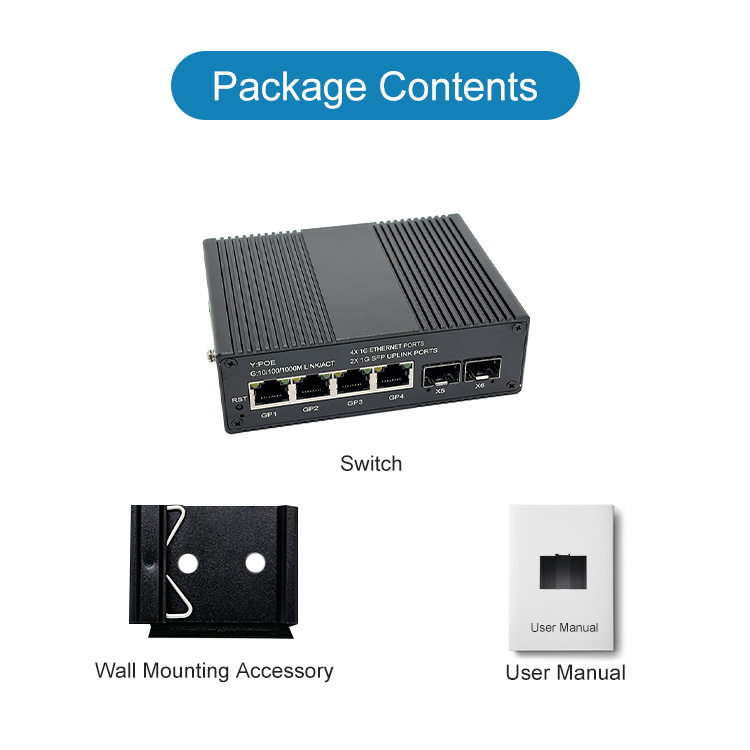
If possible, visit the factory or hire a third-party inspection agency to audit their production processes. Check if they have complete R&D and production equipment, testing instruments (e.g., surge testers, temperature chambers), and a quality control system. FICOTEK welcomes friends from all walks of life to visit and provide guidance, reflecting transparency in their operations.
Step 3: Review Test Reports
Request test reports from recognized laboratories such as SGS, TÜV, or Intertek. These reports should cover safety, EMC, and environmental tests. For solar applications, pay special attention to surge immunity (IEC 61000-4-5) and temperature cycling. FICOTEK ensures that any product launched to the market has undergone rigorous reliability verification, which includes these tests.
Step 4: Check Product Markings
Physical products should have markings indicating certification logos (e.g., CE, UL, RoHS). The marking should be permanent and legible. Check for the manufacturer’s name or trademark, model number, and electrical ratings. FICOTEK’s products are marked accordingly, ensuring traceability and compliance.
Step 5: Verify with Accreditation Bodies
Cross-check the factory’s certifications with the relevant accreditation bodies. For example, UL certificates can be verified through UL’s Product iQ database. ISO certificates can be checked via the accreditation body’s online directory. If the factory claims compliance with specific standards like IEEE 802.3bt, ask for proof of certification from an independent test lab.
Case Study: FICOTEK’s Commitment to Quality
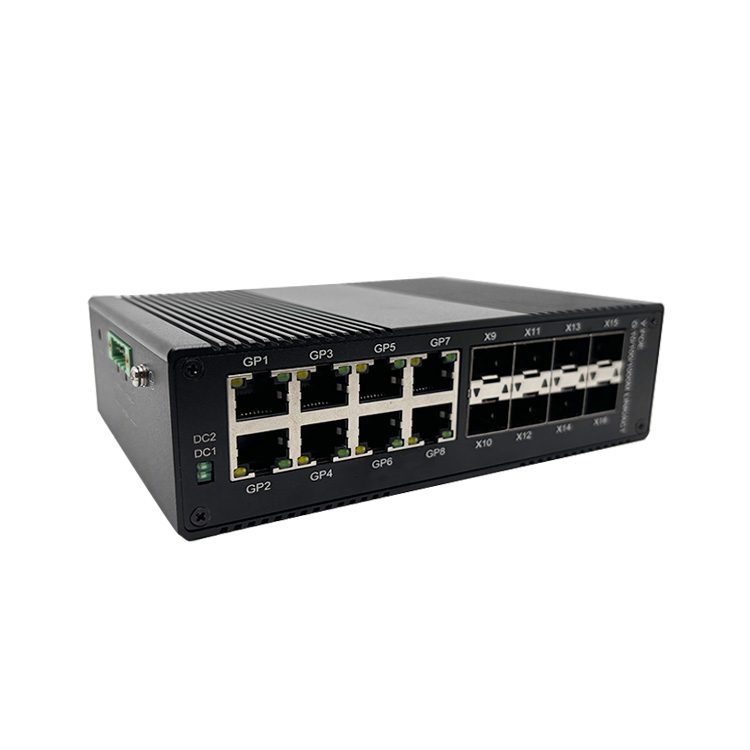
Shenzhen Ficotek Photonics Co., Ltd. is a prime example of a factory that meets rigorous certifications and standards. The company has its own factory, and with continuous growth in size and employees, their production capacity increases consistently. They can provide customized products with independent intellectual property rights according to customer requirements. This level of customization is only possible when the factory has robust quality management systems in place.
Their management personnel include individuals with rich experience in enterprise management and talents who have been engaged in the development and market expansion of optoelectronic and optical communication products for many years. Additionally, they have absorbed a group of experienced production and process technology engineers, providing strong technical support. This human capital is a key factor in maintaining high standards.
FICOTEK offers after-sales service of “one-year replacement, three-year warranty, and lifetime technical support.” Such a policy indicates confidence in product quality and compliance with warranty standards. Furthermore, their products feature lightweight network management, VLAN, QoS, RSTP, ERPS, SNMP, POE control, link aggregation, and lower power consumption. These features align with industry standards for industrial networking.
Advanced Verification Techniques
1. Traceability of Components
Ensure that critical components like PoE chips, transformers, and capacitors come from reputable suppliers. Request bills of materials (BOM) and check for quality certifications of those components. FICOTEK has complete R&D and production capabilities throughout the entire industry chain from optical components to TOSA ROSA BOSA, to optical modules, to media converters, to industrial-grade switches. This vertical integration often results in better component traceability.
2. Software Compliance
Many PoE switches run embedded software. Verify that the firmware meets cybersecurity standards such as IEC 62443, especially if the switch is part of a critical infrastructure. Ask if the factory performs vulnerability testing and provides regular firmware updates. FICOTEK’s switches support SNMP and other management protocols, suggesting they adhere to standard networking protocols.
3. Long-Term Reliability Testing
Inquire about accelerated life testing (ALT) and mean time between failures (MTBF) data. A reliable factory will have data showing expected lifespan under specified conditions. FICOTEK conducts rigorous reliability verification for every product, which likely includes ALT.
Common Pitfalls and Red Flags
- Incomplete documentation: If the factory cannot provide certificates or test reports, be cautious.
- Too-good-to-be-true prices: Low prices may indicate corner-cutting on certifications.
- Lack of factory transparency: A reputable factory like FICOTEK welcomes visitors and provides detailed information.
- No warranty or support: Professional factories offer warranties; FICOTEK offers one-year replacement, three-year warranty, and lifetime technical support.
- Vague patent claims: Verify if the factory holds patents; FICOTEK has invention and utility model patents.
Conclusion
Verifying a solar PoE switch factory’s certifications and standards is a critical step in ensuring the reliability and safety of your solar power system. By requesting documentation, conducting audits, reviewing test reports, and cross-checking with accreditation bodies, you can confidently select a factory that meets international standards. Companies like Shenzhen Ficotek Photonics Co., Ltd. exemplify the commitment to quality through their certifications, patents, and comprehensive after-sales service. As the demand for renewable energy grows, partnering with certified factories will protect your investment and ensure long-term performance.
For more information on FICOTEK and their products, visit their website or contact their sales team. They provide various types of products according to different customer needs and can customize various products upon request.