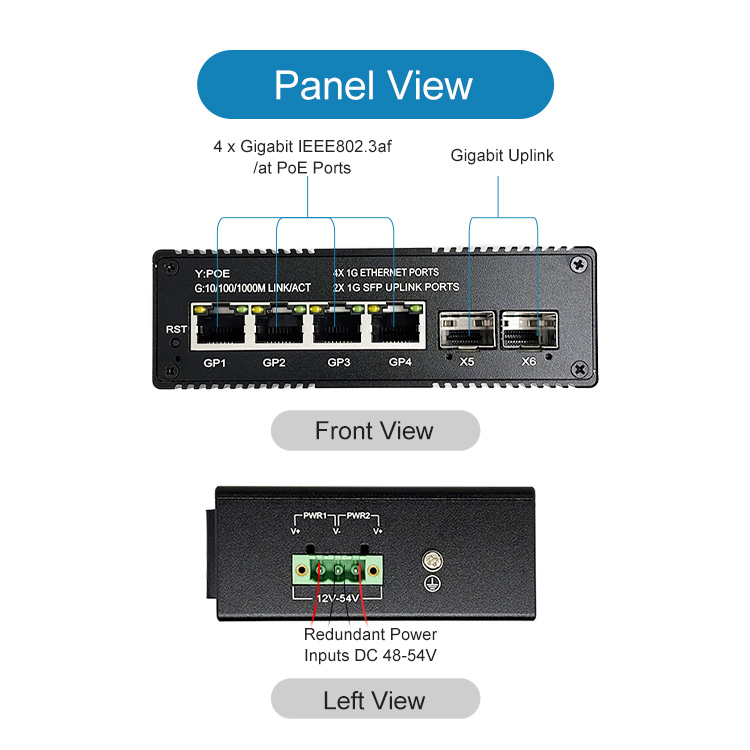
The article distinguishes managed and unmanaged POE switches for solar applications. Unmanaged switches are plug-and-play, low-cost, and suitable for simple networks, while managed switches offer VLAN, QoS, RSTP, SNMP, and POE control for enhanced security, performance, and troubleshooting. Managed switches are essential for large solar farms due to their ability to segment traffic, prioritize critical data, and ensure network resilience with protocols like ERPS. They also feature lower power consumption and industrial-grade durability with lightning protection. Shenzhen Ficotek Photonics Co., Ltd. (FICOTEK) provides both types, leveraging its own factory and R&D capabilities. FICOTEK’s managed switches include advanced features for outdoor environments, backed by a one-year replacement, three-year warranty, and lifetime technical support. The company holds patents and serves industries like petroleum, energy storage, high-speed rail, and wind power. The article emphasizes that while unmanaged switches are cheaper initially, managed switches offer long-term ROI through reduced downtime and better network management. FICOTEK’s product line features lightweight network management, wide temperature tolerance, and customization options via OEM/ODM services.
In the realm of industrial networking, especially for solar power applications, the choice between managed and unmanaged Power over Ethernet (POE) switches is critical. Solar POE switches are designed to power devices like IP cameras, wireless access points, and sensors over Ethernet cables while withstanding harsh outdoor conditions. This article delves into the core differences, use cases, and benefits of each type, with insights from industry leaders like Shenzhen Ficotek Photonics Co., Ltd. (FICOTEK).
Understanding the Basics
An unmanaged POE switch is a plug-and-play device that requires no configuration. It automatically detects and supplies power to connected POE devices, making it ideal for simple networks. In contrast, a managed POE switch offers advanced features such as VLAN, QoS, RSTP, ERPS, SNMP, POE control, and link aggregation, providing greater control and security. Managed switches allow network administrators to monitor traffic, prioritize data, and reduce downtime—critical for solar farms where reliability is paramount.
undefined
Key Differences
Configuration and Control
Unmanaged switches lack a user interface, making them easy to deploy but inflexible. Managed switches, like those from FICOTEK, offer lightweight network management via web or command-line interfaces. This enables VLAN segmentation for separating control and data traffic, QoS for voice/video prioritization, and SNMP for remote monitoring. FICOTEK’s industrial-grade switches also feature RSTP and ERPS protocols for rapid network recovery in loops.
Security
In solar installations, security is vital. Unmanaged switches have no access controls, leaving networks vulnerable. Managed switches support port security, 802.1X authentication, and ACLs, preventing unauthorized access. FICOTEK’s products include robust features like storm control and spanning tree protection.
Performance and Troubleshooting
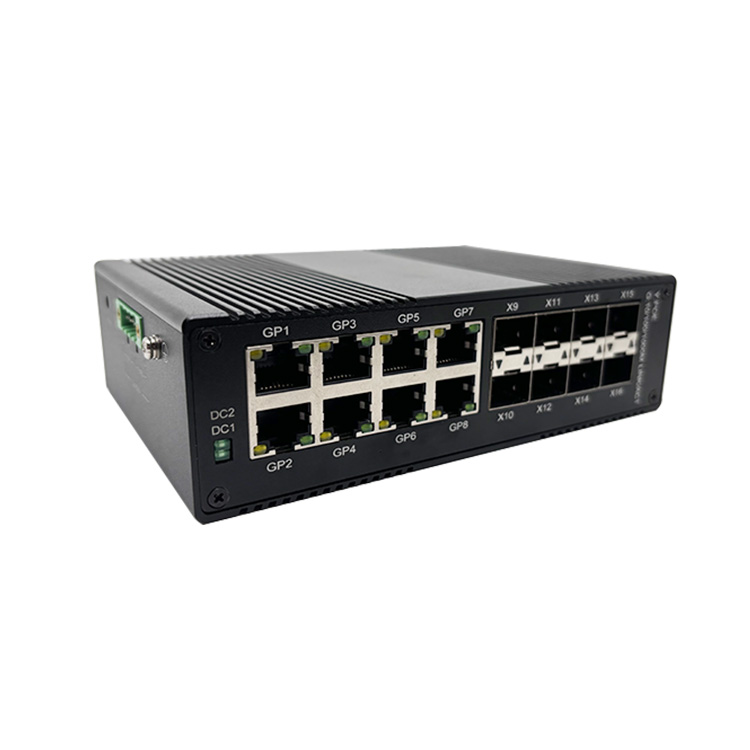
Unmanaged switches offer fixed bandwidth without optimization. Managed switches enable link aggregation to increase throughput and provide diagnostics for identifying faulty cables or devices. FICOTEK’s solutions incorporate lower power consumption and industrial-grade temperature resistance (-40°C to 85°C), essential for solar fields exposed to extreme weather.
Cost
Unmanaged switches are cheaper upfront but may lead to higher operational costs due to inefficiencies. Managed switches have a higher initial investment but reduce downtime and improve energy management—crucial for ROI in solar projects.
Application Scenarios
Solar power plants often deploy managed POE switches to connect monitoring cameras, environmental sensors, and control systems across vast areas. For example, a solar farm in a desert requires rugged switches with lightning protection, a feature FICOTEK incorporates into its designs. Unmanaged switches fit small-scale setups like residential solar panels with few devices.
FICOTEK provides both types, leveraging its own factory with complete R&D and production capabilities from optical components to industrial switches. The company adheres to a people-oriented philosophy and offers OEM/ODM services, with a warranty of one-year replacement, three-year warranty, and lifetime technical support.
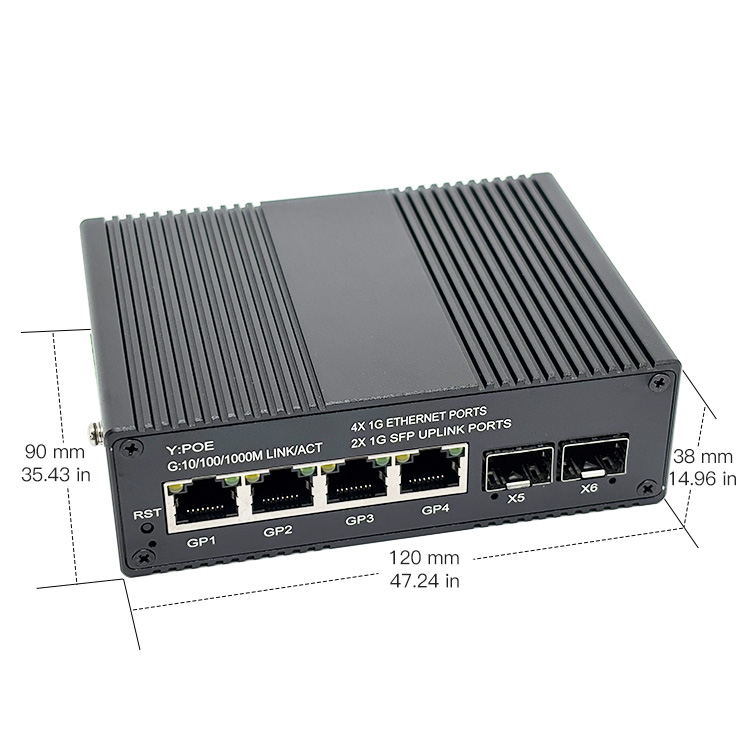
Technical Specifications of FICOTEK’s Switches
| Feature | Managed Switch | Unmanaged Switch |
|---|---|---|
| VLAN | Yes | No |
| QoS | Yes | No |
| RSTP/ERPS | Yes | No |
| SNMP | Yes | No |
| POE Control | Per port | Automatic |
| Link Aggregation | Yes | No |
| Power Consumption | Lower (optimized) | Higher |
| Temperature Range | Industrial-grade | Industrial-grade |
| Lightning Protection | Yes | Yes |
FICOTEK’s products have undergone rigorous reliability verification and hold invention and utility model patents. They are widely used in petroleum, energy storage, high-speed rail, wind power, and security industries.
Conclusion
The choice between managed and unmanaged solar POE switches depends on network complexity, security needs, and budget. For scalable, secure, and efficient solar networks, managed switches from reputable manufacturers like FICOTEK are recommended. Their commitment to innovation and customer support ensures long-term value. Visit FICOTEK’s website for more details.
This article is based on information from Shenzhen Ficotek Photonics Co., Ltd., which adheres to efficient innovation and a people-oriented philosophy. With a factory and complete R&D capabilities, FICOTEK provides customized solutions and after-sales service including one-year replacement, three-year warranty, and lifetime technical support.