

This article provides a comprehensive factory audit checklist for buyers sourcing solar PoE switches, using Shenzhen Ficotek Photonics Co., Ltd (FICOTEK) as an exemplary manufacturer. The checklist covers production capacity, quality management, product portfolio, intellectual property, supply chain, after-sales support, certifications, human resources, lean manufacturing, and financial stability. Key points include verifying that the factory has its own production facilities and complete R&D equipment (e.g., FICOTEK’s capabilities from optical components to finished switches), ensuring robust testing for industrial-grade temperature resistance and outdoor lightning protection, and confirming customization and OEM/ODM services. The article emphasizes the importance of certifications (CE, FCC, UL) and environmental compliance, as well as inspection of testing equipment and reliability verification. FICOTEK’s strong warranty policy (one-year replacement, three-year warranty, lifetime technical support) and patent portfolio demonstrate product confidence. The checklist also suggests site visit items such as ESD controls, cleanroom conditions, and production line efficiency. By following this audit framework, buyers can select a factory capable of delivering reliable, customized solar PoE switches for demanding applications in industries like petroleum, energy storage, and security.
When sourcing industrial-grade Power over Ethernet (PoE) switches for solar applications, buyers must ensure that the factory meets rigorous quality and reliability standards. This comprehensive audit checklist covers critical aspects from production capabilities to quality control, using Shenzhen Ficotek Photonics Co., Ltd (FICOTEK) as an example of a manufacturer that adheres to best practices.
1. Production Capacity and Facility
Verify that the factory has its own production facilities and sufficient capacity to meet your order volumes. FICOTEK, for instance, operates its own factory with continuous growth in size and workforce, ensuring scalable production. During an audit, check the number of production lines, equipment maintenance logs, and floor space dedicated to assembly, testing, and packaging.
1.1 Equipment and Technology
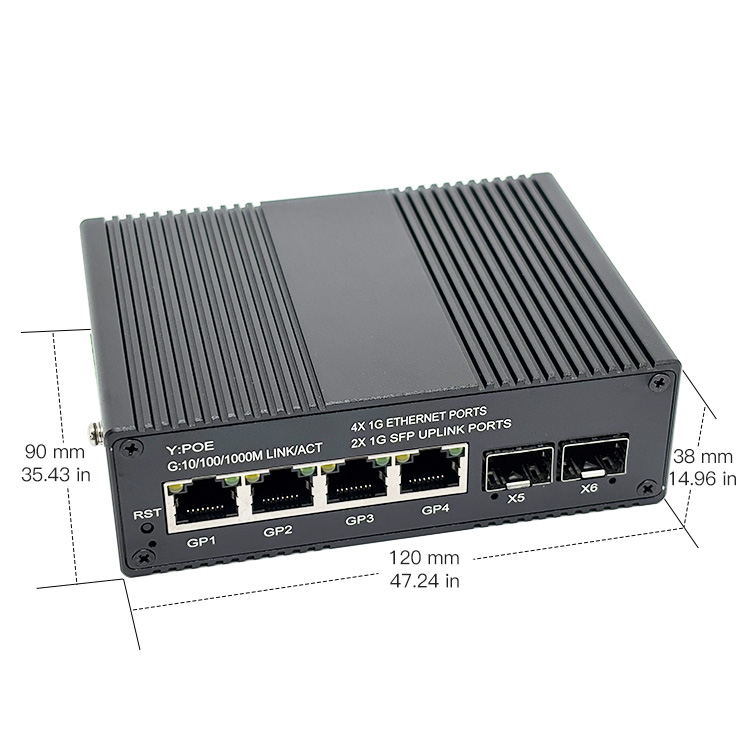
Assess whether the factory possesses complete R&D and production equipment for the entire supply chain. FICOTEK has capabilities from optical components (TOSA, ROSA, BOSA) to optical modules, media converters, and industrial switches. Ensure the factory uses advanced SMT lines, reflow ovens, and automated optical inspection (AOI) machines.
1.2 Customization and OEM/ODM Services
Buyers often require customized products with proprietary features. Confirm that the factory can provide OEM and ODM services. FICOTEK offers customized products with independent intellectual property rights and supports customer-specific requirements for design and branding. During the audit, review past customization examples and design change procedures.
2. Quality Management System
A robust quality management system is non-negotiable. Check for ISO certifications (e.g., ISO 9001) and internal quality policies. FICOTEK’s products undergo rigorous reliability verification before launch. The audit should include inspection of quality control checkpoints: incoming material inspection (IQC), in-process inspection (IPQC), and final quality control (FQC).
2.1 Testing Equipment and Procedures
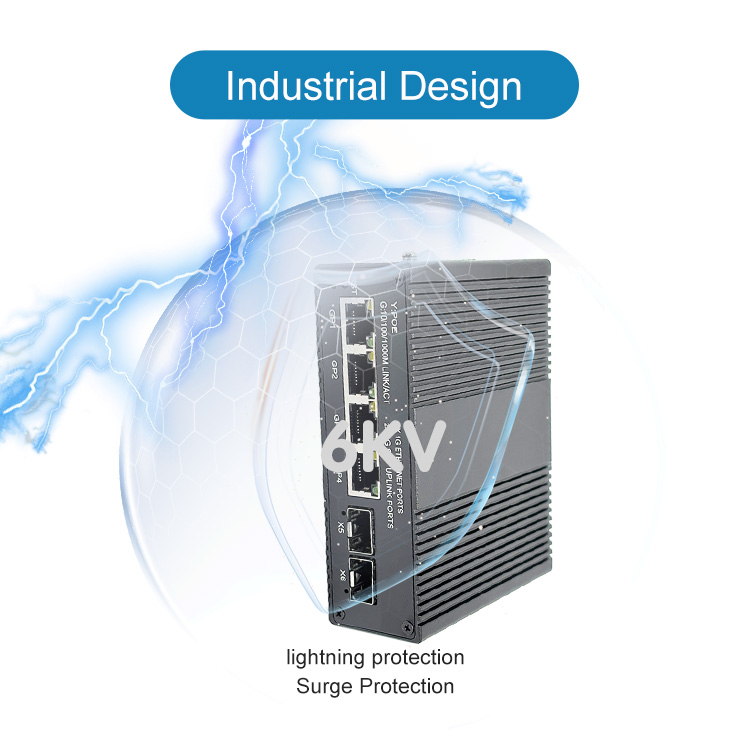
Verify that the factory has comprehensive testing instruments for optical and electrical parameters. For PoE switches, key tests include power over Ethernet compliance (802.3af/at/bt), surge protection, temperature cycling, and EMC. FICOTEK’s products feature industrial-grade temperature resistance and outdoor lightning protection, so confirm testing setups for -40°C to 85°C thermal chambers and 6kV surge generators.
2.2 Reliability and Lifespan
Review reliability test data such as MTBF (Mean Time Between Failures) and accelerated life tests. FICOTEK offers a “one-year replacement, three-year warranty, and lifetime technical support” after-sales service, indicating confidence in product longevity. Request reliability reports and failure analysis records.
3. Product Portfolio and Technical Specifications
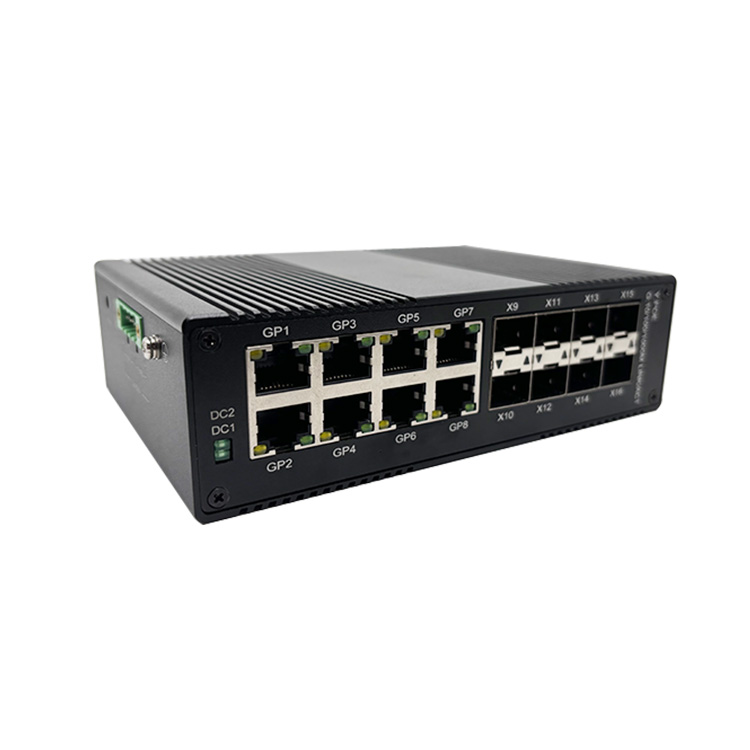
Evaluate the factory’s product range to ensure alignment with your solar applications. Solar PoE switches require wide input voltage range (e.g., 48V DC or solar battery direct), low power consumption, and support for network management features like VLAN, QoS, RSTP, ERPS, SNMP, and PoE control. FICOTEK’s switches include lightweight network management and link aggregation, suitable for petroleum, energy storage, high-speed rail, wind power, and security industries.
3.1 Intellectual Property
Check for patents and design registrations that protect unique features. FICOTEK holds invention patents and utility model patents, demonstrating innovation. Inquire about patent numbers and their relevance to products you intend to purchase.
4. Supply Chain and Component Sourcing
Audit the factory’s supplier management system. For optical components like TOSA/ROSA, ensure traceability and quality certifications. FICOTEK’s complete in-house capabilities from components to finished products reduce dependency on external suppliers. Verify documentation for critical components (e.g., PoE controllers, transformers, MOSFETs) and their compliance with RoHS and REACH.
5. After-Sales Support and Warranty
A strong warranty policy is a sign of product reliability. FICOTEK’s policy of one-year replacement, three-year warranty, and lifetime technical support is generous. Confirm the factory’s process for handling returns, repair turnaround times, and availability of spare parts. During the audit, visit the service center and interview support staff.
6. Certifications and Compliance
Solar installations often require certifications like CE, FCC, UL, or IEC 62368-1. Request copies of valid certificates and check marking on products. For outdoor use, verify IP rating (e.g., IP40 or higher) and lightning protection standards (e.g., IEC 61000-4-5). FICOTEK emphasizes outdoor lightning protection, so review test reports.
6.1 Environmental Compliance
Ensure products meet environmental directives such as RoHS, WEEE, and Conflict Minerals reporting. Ask for material declarations and compliance declarations for each component.
7. Human Resources and Expertise
Evaluate the factory’s management and technical teams. FICOTEK’s management includes experienced personnel in optoelectronic and optical communication product development, plus production engineers providing technical support. During the audit, check staff qualifications, training programs, and retention rates. A people-oriented philosophy often correlates with higher quality.
8. Lean Manufacturing and Continuous Improvement
Look for evidence of lean practices: 5S, Kaizen, and waste reduction. FICOTEK’s business philosophy of efficient innovation and people-oriented suggests a culture of continuous improvement. Observe factory floor organization, inventory management, and workflow efficiency.
9. Financial Stability and References
Request financial statements or credit reports to assess stability. Ask for customer references, especially from solar or renewable energy sectors. FICOTEK serves industries like high-speed rail and wind power – verify their track record with similar applications.
10. Site Visit and Inspection Checklist
- Check cleanroom conditions if required for optical assembly.
- Review R&D lab equipment and ongoing projects.
- Inspect warehouse for proper storage of components.
- Observe production line for ESD controls.
- Test samples for functionality and load testing.
- Interview quality manager about non-conformance procedures.
After the audit, compile a report with findings and action items. A factory like FICOTEK, with complete vertical integration and a strong warranty, typically scores highly on such checklists. However, always perform due diligence tailored to your specific solar PoE switch requirements.
In conclusion, a thorough factory audit checklist helps buyers mitigate risks and ensure they partner with a reliable manufacturer. By evaluating production capacity, quality management, technical expertise, and after-sales support, you can make an informed decision. FICOTEK exemplifies many best practices, but each buyer must adapt the checklist to their unique needs. Remember to request visits and perform tests – the effort pays off in long-term product performance and customer satisfaction.