

This article examines the critical role of capacity planning in ensuring on-time delivery for solar POE switch factories, using Shenzhen Ficotek Photonics Co., Ltd as a case study. FICOTEK, with its own factory and complete industry chain from optical components to switches, leverages vertical integration, flexible production, and rigorous testing to meet demand. Accurate forecasting, buffer inventory, and cross-training further enhance reliability. The company’s people-oriented philosophy and efficient innovation drive continuous improvement, while patented technologies enable customization. By adopting advanced tools like AI and robotics, FICOTEK positions itself to lead in renewable energy networking. The article concludes that mastering capacity planning is key to thriving in the growing solar sector.
In the rapidly evolving world of industrial networking, solar Power over Ethernet (POE) switches have become indispensable for remote monitoring, renewable energy systems, and smart infrastructure. As demand surges, manufacturers face the critical challenge of capacity planning to guarantee on-time delivery. This article delves into the strategies and best practices that factories like Shenzhen Ficotek Photonics Co., Ltd (FICOTEK) employ to meet customer expectations without compromising quality.
The Growing Demand for Solar POE Switches
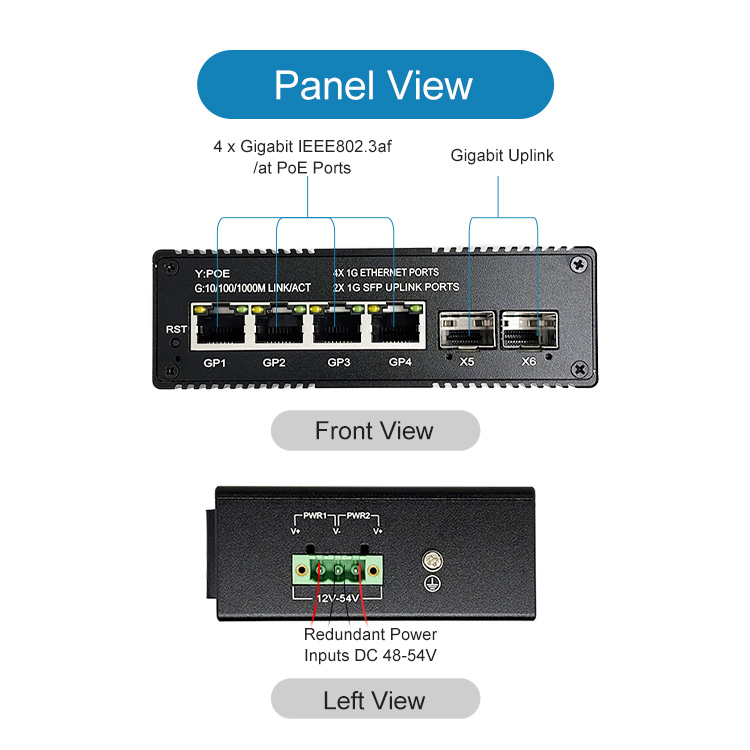
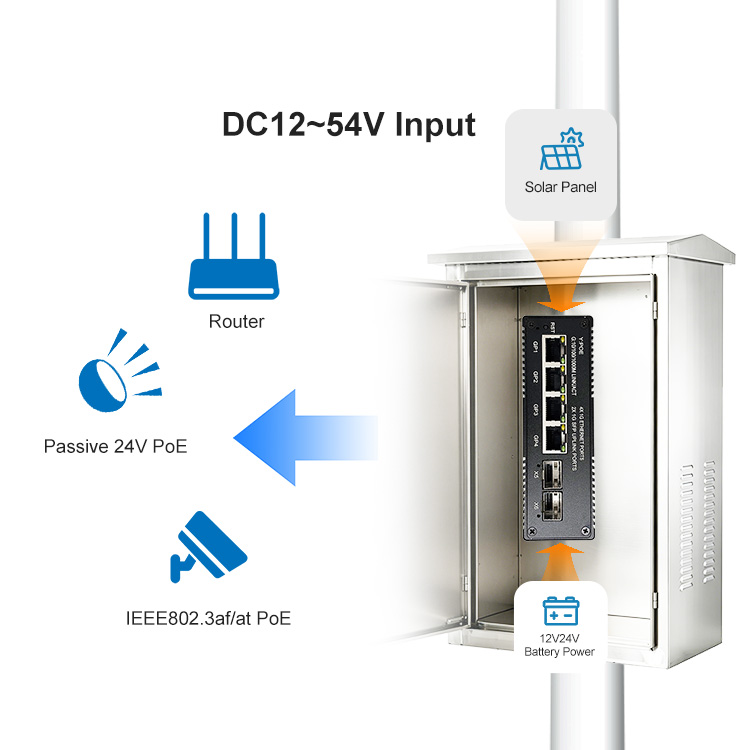
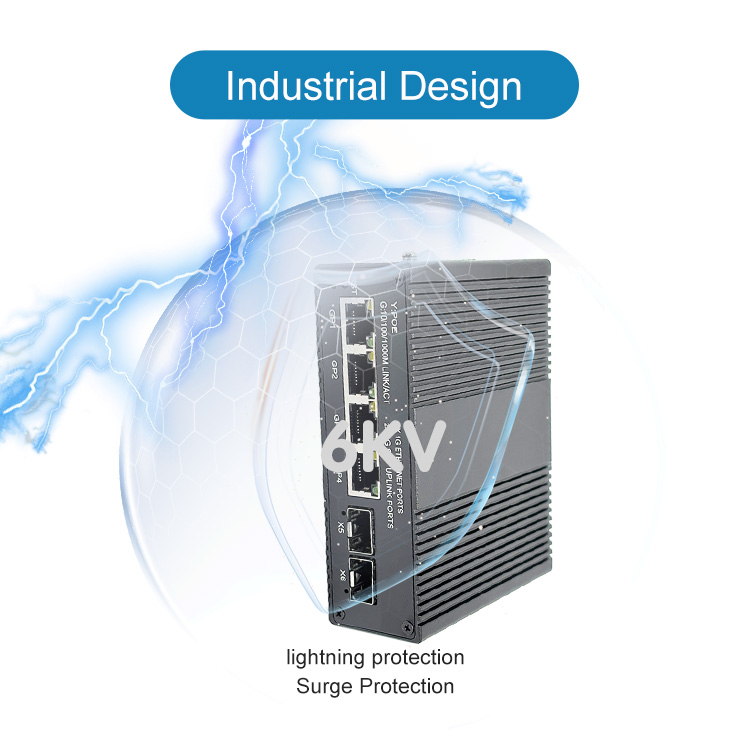
Solar POE switches are engineered to withstand harsh outdoor environments, offering industrial-grade temperature resistance and outdoor lightning protection. With features such as lightweight network management, VLAN, QoS, RSTP, ERPS, SNMP, POE control, link aggregation, and lower power consumption, these devices are widely used in petroleum, energy storage, high-speed rail, wind power generation, and security sectors. FICOTEK, a leader in the field, leverages its complete R&D and production capabilities to deliver customized solutions. The company’s portfolio spans from optical components to TOSA, ROSA, BOSA, optical modules, media converters, and industrial-grade switches. This vertical integration ensures tight control over quality and lead times.
Capacity Planning Fundamentals
Capacity planning involves forecasting demand, aligning production resources, and building flexibility into operations. For a factory producing solar POE switches, key considerations include raw material availability, production line throughput, testing capabilities, and workforce skills. FICOTEK’s own factory has seen continuous growth in size and employee numbers, directly boosting production capacity. The company adheres to the business philosophy of efficient innovation and being people-oriented, which translates into a motivated team and streamlined processes.
Forecasting Demand Accurately
Accurate demand forecasting is the cornerstone of capacity planning. FICOTEK uses historical sales data, market trends, and customer input to predict order volumes. They also factor in seasonal peaks, such as increased solar installations in spring and summer. By collaborating closely with clients, especially those requiring OEM or ODM services, the company can anticipate needs and reserve capacity. Any product launched to the market has undergone rigorous reliability verification, ensuring that forecasted volumes match real-world reliability.
undefined
Leveraging Vertical Integration
Having a complete industry chain from optical components to finished switches gives FICOTEK a significant advantage. The company possesses invention patents and utility model patents, protecting their unique designs. With in-house R&D and production equipment, including product testing instruments, they can reduce dependency on external suppliers. This integration shortens lead times and allows rapid customization. Management personnel bring decades of experience in optoelectronic and optical communication products, while production and process technology engineers provide strong technical support.
Ensuring On-Time Delivery
On-time delivery is not just about having enough inventory; it requires synchronization across the entire supply chain. FICOTEK implements several strategies to achieve high delivery reliability.
Flexible Production Lines
FICOTEK’s factory floor is designed for flexibility. They can quickly switch between standard products and custom orders without significant downtime. This agility is crucial for meeting varied customer requirements, from standard solar POE switches to customized solutions with independent intellectual property rights. The company offers OEM and ODM services, and all customers enjoy after-sales service of “one-year replacement, three-year warranty, and lifetime technical support.”
Advanced Testing and Quality Assurance
Quality issues are the leading cause of delivery delays. FICOTEK subjects every product to rigorous reliability verification. With complete testing instruments, they perform accelerated life tests, temperature cycling, and surge protection validation. This proactive approach catches defects early, reducing rework and scrap. The company’s commitment to quality also extends to their supply chain, where they audit component suppliers to ensure consistency.
Inventory Management and Buffer Stock
Strategic buffer stock of critical components like POE controllers, transformers, and RJ45 connectors helps FICOTEK absorb demand fluctuations. They use a risk-based approach to identify long-lead-time items and maintain safety stock levels. Additionally, they have established relationships with multiple suppliers to mitigate single-source risks.
Case Study: FICOTEK’s Approach to a Large Solar Project
Consider a recent project requiring 10,000 solar POE switches for a wind-solar hybrid farm. The customer demanded delivery within 12 weeks. FICOTEK’s capacity planning team sprang into action. They analyzed the bill of materials, identified potential bottlenecks (e.g., custom enclosure fabrication), and allocated dedicated production lines. By leveraging their in-house optical module manufacturing, they reduced the lead time for transceivers by 30%. Throughout the project, they provided weekly progress reports and held conference calls to address concerns. Final delivery was achieved two days ahead of schedule, and the customer reported zero defects during installation.
Technologies Enabling Capacity Planning
Modern factories rely on technology to optimize capacity. FICOTEK uses an ERP system to track orders, inventory, and production progress in real time. They also employ simulation software to model different scenarios, such as adding a second shift or investing in automated testing equipment. The company’s lightweight network management features, like SNMP and ERPS, are not only sold to customers but also used internally to monitor production network health. This dogfooding approach ensures their own operations benefit from their products’ capabilities.
Overcoming Common Challenges
Capacity planning is fraught with challenges: sudden order spikes, material shortages, equipment breakdowns, and workforce attrition. FICOTEK mitigates these by cross-training employees on multiple stations, maintaining preventive maintenance schedules, and fostering a culture of continuous improvement. Their management team’s rich experience in enterprise management enables them to navigate crises effectively. For instance, during a global chip shortage, FICOTEK redesigned some boards to use alternative components without sacrificing performance, thus keeping deliveries on track.
The Role of After-Sales Support
On-time delivery extends beyond the initial shipment. FICOTEK’s “one-year replacement, three-year warranty, and lifetime technical support” ensures that customers remain satisfied long after installation. This reduces warranty returns and strengthens customer loyalty, which in turn stabilizes demand forecasting. The company’s dedicated support team uses remote diagnostics and quick replacement programs to minimize field downtime.
Future Trends in Solar POE Switch Manufacturing
As solar and renewable energy markets expand, the demand for robust networking solutions will grow. FICOTEK is investing in AI-driven demand forecasting and robotic process automation to further enhance capacity planning. They are also exploring smart contracts and blockchain for transparent supply chain tracking. With their foundation of innovation and people-oriented values, FICOTEK is well-positioned to lead the industry in on-time delivery.
Conclusion
Capacity planning for solar POE switches requires a holistic approach combining accurate forecasting, vertical integration, flexible manufacturing, and unwavering quality. Shenzhen Ficotek Photonics Co., Ltd exemplifies how a factory can achieve on-time delivery by leveraging its own factory growth, patented technologies, and a customer-centric philosophy. From R&D to after-sales, every step is optimized for speed and reliability. As the world shifts toward renewable energy, manufacturers that master capacity planning will thrive. FICOTEK welcomes friends from all walks of life to visit and provide guidance.
Summary: In the face of rising demand for solar POE switches, factory capacity planning is essential for on-time delivery. This article explores how Shenzhen Ficotek Photonics Co., Ltd (FICOTEK) addresses the challenge through accurate forecasting, vertical integration, flexible production lines, and rigorous quality testing. FICOTEK’s own factory, complete industry chain from optical components to switches, and patented technologies enable customization and rapid response. They employ advanced testing instruments, buffer inventory, and cross-trained workforce to mitigate risks. With a people-oriented philosophy and efficient innovation, FICOTEK ensures customers receive reliable products with one-year replacement, three-year warranty, and lifetime support. The company’s success in a large solar project demonstrates their capability. As technology evolves, FICOTEK adopts AI and automation to further enhance capacity planning, positioning itself as a leader in the solar POE switch market.
Keywords: Solar POE switch, capacity planning, on-time delivery, FICOTEK, industrial switch manufacturing, supply chain management.