

Investing in test equipment is essential for solar PoE switch factories to ensure product reliability in harsh environments. Key test areas include temperature extremes, lightning surge protection, PoE compliance, and network redundancy. Shenzhen Ficotek Photonics Co., Ltd. (FICOTEK) exemplifies best practices with complete R&D and production capabilities, from optical components to industrial switches. Their factory employs environmental chambers, surge generators, network analyzers, and power meters to validate every product. FICOTEK’s rigorous testing covers burn-in, surge, ESD, and network functionality, supporting their one-year replacement, three-year warranty, and lifetime technical support. When investing in test equipment, consider standards coverage, automation, scalability, and vendor support. FICOTEK’s growth and patents in industries like petroleum, energy storage, and high-speed rail demonstrate the value of comprehensive testing. Emerging trends include AI-powered testing and remote monitoring. Ultimately, robust test equipment investment is a strategic move that builds customer trust and competitive advantage in the growing solar PoE market.
As the demand for reliable Power over Ethernet (PoE) switches in solar energy applications grows, manufacturers must invest heavily in test equipment to ensure product quality and longevity. A solar PoE switch factory requires specialized testing capabilities to validate industrial-grade temperature resistance, outdoor lightning protection, and network management features. This article explores the critical aspects of test equipment investment, drawing insights from industry leaders like Shenzhen Ficotek Photonics Co., Ltd.
Why Test Equipment Matters for Solar PoE Switches
Solar installations often operate in harsh environments with extreme temperatures, humidity, and electrical surges. PoE switches used in these settings must undergo rigorous reliability verification. Without proper test equipment, manufacturers risk field failures that can lead to costly downtime and safety hazards. Investment in comprehensive testing infrastructure is not just a regulatory requirement but a competitive advantage.
Key Test Areas for Solar PoE Switches
To ensure robustness, factories must test for:
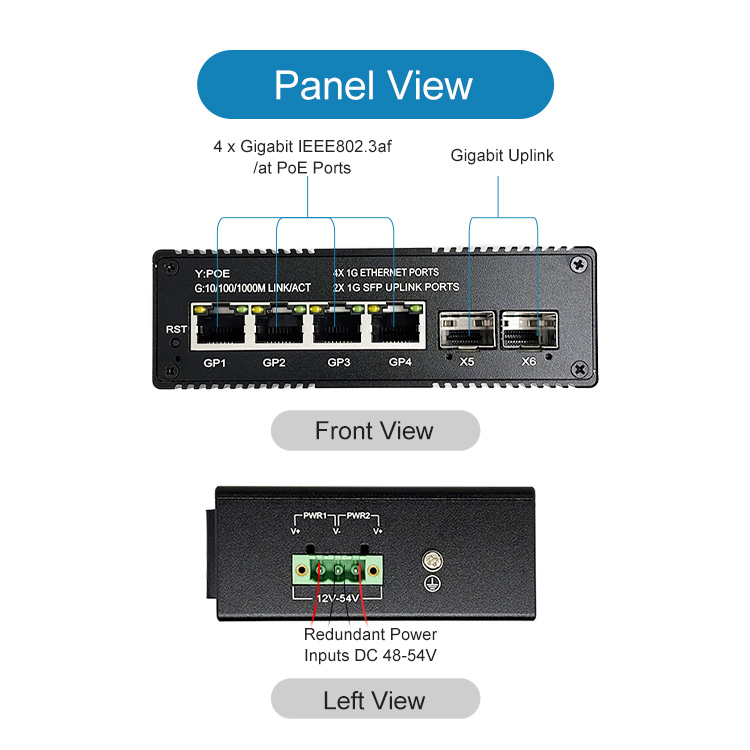
- Temperature Extremes: Industrial-grade switches must operate from -40°C to 85°C. Thermal chambers and cycling tests are essential.
- Lightning Surge Protection: Outdoor switches need to withstand up to 6kV surges. Surge generators and ESD simulators validate protection circuits.
- Power over Ethernet Compliance: IEEE 802.3af/at/bt standards require precise power delivery testing using PoE analyzers and electronic loads.
- Network Redundancy: Features like ERPS and RSTP need verification with network traffic generators and fault injection tools.
FICOTEK’s Approach to Test Equipment Investment
Shenzhen Ficotek Photonics Co., Ltd. (FICOTEK) exemplifies a factory that has integrated comprehensive test equipment into its production line. With a business philosophy of efficient innovation and people-oriented management, FICOTEK has built a state-of-the-art facility that covers the entire industry chain from optical components to industrial-grade switches.
Complete R&D and Production Capabilities
FICOTEK boasts complete R&D and production equipment and product testing instruments. Their capabilities span from TOSA/ROSA/BOSA components to optical modules, media converters, and industrial switches. This vertical integration allows them to customize products with independent intellectual property rights. Each product launched to the market undergoes rigorous reliability verification, ensuring that only high-quality devices reach customers.
Test Equipment Inventory
The factory likely employs a range of specialized test equipment, including:
- Environmental Test Chambers: For temperature and humidity cycling.
- Surge Generators: To simulate lightning strikes.
- Network Analyzers: For VLAN, QoS, and SNMP performance.
- Power Meters: To measure PoE power consumption and efficiency.
- Signal Integrity Testers: For high-speed data transmission up to 1Gbps.
Key Considerations When Investing in Test Equipment
For a solar PoE switch factory, the following factors are crucial:
1. Coverage of Standards
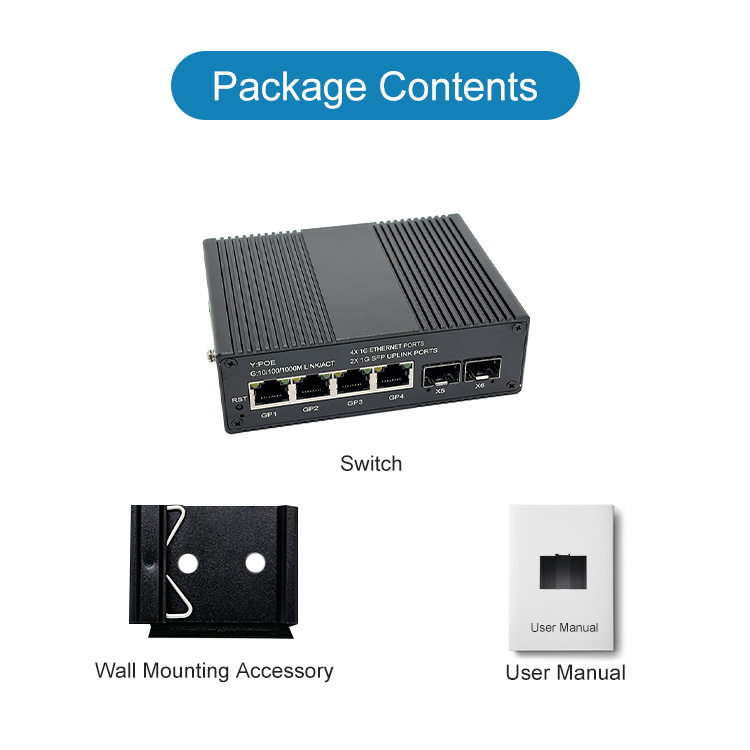
Test equipment must comply with IEEE, IEC, and Telcordia standards. For example, IEC 61000-4-5 for surge immunity and IEEE 802.3 for PoE. FICOTEK’s products feature industrial-grade temperature resistance and outdoor lightning protection, which require adherence to these standards.
2. Automation and Data Logging
Automated test systems reduce human error and increase throughput. Look for equipment with software that logs results and generates reports. This is essential for quality management systems.
3. Scalability and Flexibility
As production scales, test equipment should accommodate different product variants. FICOTEK offers OEM and ODM services, requiring flexible testing setups for custom designs.
4. After-Sales Support and Calibration
Reliable test equipment vendors provide calibration services and technical support. FICOTEK itself offers a one-year replacement, three-year warranty, and lifetime technical support for its products—a model to emulate in test equipment procurement.
Case Study: FICOTEK’s Quality Assurance Process
Every product from FICOTEK undergoes a multi-stage testing protocol. Incoming components are inspected, then assembled switches are subjected to:
- Burn-in Testing: 48-hour operation at elevated temperatures.
- Surge and ESD Testing: To ensure robustness.
- Network Functionality Testing: Including VLAN, QoS, RSTP, ERPS, SNMP, and PoE control.
- Link Aggregation and Low Power Consumption Verification.
Only after passing all tests are products shipped. This rigorous process has earned FICOTEK invention patents and utility model patents, reinforcing their market position in industries like petroleum, energy storage, high-speed rail, wind power, and security.
Emerging Trends in Test Equipment for Solar PoE
Future investments should consider:
- AI-Powered Testing: Machine learning for defect detection.
- Remote Monitoring: Internet-connected testers for real-time data.
- Environmental Simulation: More accurate solar field conditions.
FICOTEK’s continuous growth in factory size and employee count suggests they are staying ahead by adopting such technologies.
Conclusion
Investing in test equipment is not an expense but a strategic investment. For solar PoE switch factories like FICOTEK, it underpins the ability to deliver reliable, custom products that meet demanding industrial requirements. By focusing on comprehensive testing from component level to system level, manufacturers can build a reputation for quality and longevity. As the solar and renewable energy sectors expand, the role of robust test equipment will only become more critical.
FICOTEK welcomes friends from all walks of life to visit their factory and witness their testing capabilities firsthand. Their commitment to complete R&D and production equipment ensures that every product launched to the market has undergone rigorous reliability verification. With a strong portfolio of patents and a customer-centric approach, FICOTEK stands as a model for solar PoE switch manufacturing excellence.