

This blog article provides a comprehensive guide on managing procurement lead times for solar PoE switches, emphasizing the importance of early planning and understanding factory capabilities. It introduces Shenzhen Ficotek Photonics Co., Ltd (FICOTEK) as a reliable manufacturing partner with in-house production, full industry chain integration from optical components to industrial switches, and strong R&D. The article discusses factors affecting lead times—component sourcing, production capacity, customization complexity, and testing—and offers strategies such as forecasting demand, leveraging standard products, building long-term relationships, maintaining safety stock, and negotiating lead time commitments. A case study illustrates how a solar farm project successfully used these strategies with FICOTEK. The summary concludes that by partnering with a capable manufacturer and adopting proactive procurement planning, project delays can be minimized, ensuring timely delivery of robust industrial-grade PoE switches for solar applications.
In the rapidly expanding renewable energy sector, the demand for reliable network infrastructure has never been higher. Solar installations, in particular, require robust connectivity to monitor and manage power generation, storage, and distribution. Power over Ethernet (PoE) switches designed for solar applications must withstand harsh outdoor environments while delivering efficient power and data transmission. As global solar capacity grows, procurement professionals face a critical challenge: navigating factory lead times for solar PoE switches. This article explores key factors influencing lead times, strategies for effective procurement planning, and how partnering with a manufacturer like Shenzhen Ficotek Photonics Co., Ltd (FICOTEK) can streamline the process.
Understanding Solar PoE Switch Lead Times
Lead time in the manufacturing context refers to the period between placing an order and receiving the product. For solar PoE switches, lead times can vary significantly based on several factors: component availability, production capacity, customization complexity, and logistics. Global semiconductor shortages, raw material price fluctuations, and logistics disruptions have exacerbated lead times in recent years. Typical lead times for standard industrial switches range from 4 to 12 weeks, but custom or specialized products may take 12 to 20 weeks or more.
undefined
Component Sourcing and Supply Chain
The core components of a PoE switch—such as Ethernet PHYs, controllers, power management ICs, and transformers—are subject to market volatility. FICOTEK, as a vertically integrated manufacturer with complete R&D and production capabilities from optical components to TOSA/ROSA/BOSA, optical modules, media converters, and industrial switches, is better positioned to mitigate supply risks. Their in-house design and production allow them to control quality and lead times more effectively than assemblers who rely heavily on third-party components.
FICOTEK’s Manufacturing Capabilities
Shenzhen Ficotek Photonics Co., Ltd operates its own factory, with a continuously growing size and workforce that increases production capacity. The company adheres to a business philosophy of efficient innovation and people-oriented management. Their management team includes veterans with decades of experience in enterprise management and market expansion for optoelectronic and optical communication products. Additionally, they have assembled a group of experienced production and process technology engineers who provide strong technical support.
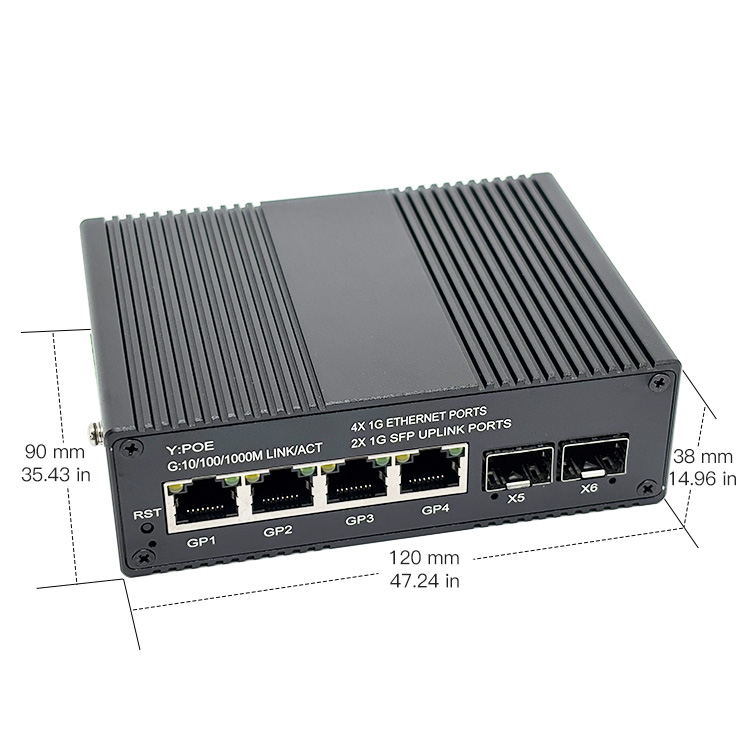
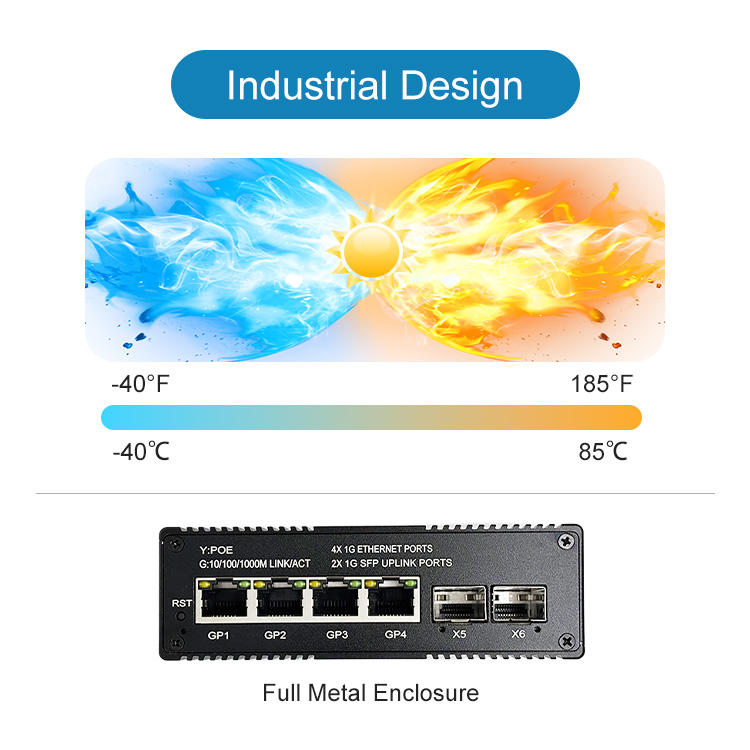
FICOTEK offers customized products with independent intellectual property rights. They provide OEM and ODM services, and all customers enjoy after-sales service of “one-year replacement, three-year warranty, and lifetime technical support.” Their products feature industrial-grade temperature resistance and outdoor lightning protection capabilities. With lightweight network management, they support VLAN, QoS, RSTP, ERPS, SNMP, PoE control, link aggregation, and lower power consumption. These features make them widely used in industries such as petroleum, energy storage, high-speed rail, wind power generation, and security.
Why Lead Times Matter for Solar Projects
Solar farms and distributed solar installations often operate on tight timelines tied to government incentives, grid connection deadlines, or project financing. Any delay in receiving network equipment can cause cascading setbacks. Understanding lead times allows procurement managers to place orders early, negotiate better terms, and avoid costly project delays. Moreover, solar PoE switches are often deployed in remote locations where reliability is paramount; choosing a manufacturer with a proven track record reduces the risk of field failures that could extend project timelines further.
Key Factors Affecting Factory Lead Times
Production Capacity and Load
FICOTEK’s factory capacity has been increasing steadily. However, during peak seasons or high-demand periods, lead times may extend. The company’s complete R&D and production equipment, including product testing instruments, ensure that every product undergoes rigorous reliability verification before release. This commitment to quality can sometimes add to lead time but drastically reduces the risk of defects.
Customization Complexity
Custom PoE switches—such as those with specific port configurations, voltage requirements, or software features—require additional engineering and testing. FICOTEK can provide various types of products according to customer needs and can customize various products based on customer requirements. They hold invention patents and utility model patents, giving them a competitive edge in offering unique solutions. Procurement planners should factor in an extra 4–8 weeks for custom orders.
Testing and Certification
Industrial-grade switches must pass stringent environmental and electrical tests. FICOTEK subjects every product to thorough reliability verification, including temperature cycling, humidity, vibration, and EMC tests. This ensures long-term performance but may add 1–2 weeks to lead time. However, it is a worthwhile investment to avoid field failures.
Strategies for Effective Procurement Planning
Forecast Demand Early
Procurement teams should collaborate with project managers to forecast switch requirements at least 6–12 months in advance. Early demand signals allow FICOTEK to allocate production capacity and procure long-lead components. Providing non-binding forecasts can help the factory plan better.
Leverage Standard Products
Whenever possible, choose standard models from FICOTEK’s catalog. These products are already designed, tested, and in regular production, resulting in shorter lead times. For example, their standard industrial PoE switches with wide temperature ranges and lightning protection can cover most solar applications.
Build Long-Term Relationships
Partnering with a reliable manufacturer like FICOTEK can lead to preferential lead times. Regular customers who place repeat orders often get priority in production scheduling. FICOTEK’s OEM and ODM services also foster closer collaboration, allowing the factory to anticipate needs.
Maintain Safety Stock
For critical projects, consider ordering a small buffer of extra switches. While this increases initial cost, it provides insurance against unplanned failures or urgent expansions. Given the three-year warranty and lifetime technical support from FICOTEK, the total cost of ownership remains low.
Negotiate Lead Time Commitments
In the purchase contract, include liquidated damages for late delivery or request guaranteed lead times. FICOTEK’s management experience and stable production allow them to commit to realistic schedules.
Case Study: Procuring for a Solar Farm
A solar farm project in Southeast Asia required 200 rugged PoE switches for monitoring panels, inverters, and weather stations. The procurement team approached FICOTEK with a 10-month timeline. After reviewing the specifications, FICOTEK proposed a mix of standard and semi-custom switches. The standard units (150 pieces) had a lead time of 6 weeks, while the custom units (50 pieces) with specialized fiber connectivity required 12 weeks. The team placed the order immediately, ensuring all switches arrived on site 2 months before the installation deadline. The project was completed ahead of schedule, and FICOTEK’s after-sales support proved valuable during commissioning.
Conclusion
Solar PoE switch factory lead times are a critical element of project success. By understanding the factors that influence production schedules and adopting proactive procurement practices, professionals can mitigate risks and ensure timely delivery. Manufacturers like Shenzhen Ficotek Photonics Co., Ltd offer the advantage of in-house production, customization flexibility, and robust quality assurance. With their complete industry chain from optical components to industrial switches, they are well-equipped to meet the growing demands of the solar industry. For any procurement plan, consider engaging with FICOTEK early, leverage their expertise, and incorporate lead time buffers to keep solar projects on track.
About FICOTEK: Shenzhen Ficotek Photonics Co., Ltd is a leading manufacturer of optical communication and industrial networking products. With own factory, strong R&D, and a commitment to quality, FICOTEK provides OEM/ODM services with one-year replacement, three-year warranty, and lifetime technical support. Contact them to discuss your solar PoE switch needs.