

Shenzhen Ficotek Photonics Co., Ltd., known as FICOTEK, operates a comprehensive factory production line for solar PoE switches, covering every stage from PCB assembly to final testing. The company adheres to a business philosophy of efficient innovation and being people-oriented, with management experienced in optoelectronic product development and market expansion. FICOTEK has complete in-house capabilities for optical components (TOSA/ROSA/BOSA), optical modules, media converters, and industrial switches, enabling customized OEM/ODM products. Their switches feature industrial-grade temperature resistance, outdoor lightning protection, and lightweight network management with VLAN, QoS, RSTP, ERPS, SNMP, PoE control, link aggregation, and lower power consumption, suitable for petroleum, energy storage, high-speed rail, wind power, and security. The production process includes rigorous reliability verification, environmental stress testing, network protocol compliance, and long-term burn-in. After-sales service includes a one-year replacement, three-year warranty, and lifetime technical support. FICOTEK holds invention and utility model patents and invites industry visitors to tour the factory.
In the rapidly evolving world of networking and renewable energy, the demand for reliable, efficient, and durable Power over Ethernet (PoE) switches has never been higher. Among the leaders in this niche is Shenzhen Ficotek Photonics Co., Ltd., commonly known as FICOTEK. This article takes you on a detailed journey through FICOTEK’s solar PoE switch factory production line, from the initial PCB assembly to the rigorous final testing. Readers will gain insight into the company’s commitment to quality, innovation, and customer satisfaction, all while adhering to a philosophy of efficient innovation and a people-oriented approach.
FICOTEK’s factory is a testament to modern manufacturing excellence. With a continuously growing size and workforce, the production capacity has increased steadily. The company boasts complete R&D and production equipment, along with advanced product testing instruments. This ensures that every device launched onto the market has undergone stringent reliability verification. From optical components to TOSA/ROSA/BOSA, optical modules, media converters, and industrial-grade switches, FICOTEK manages the entire supply chain in-house, providing customized products with independent intellectual property rights. The factory also offers OEM and ODM services, backed by an impressive after-sales policy: one-year replacement, three-year warranty, and lifetime technical support.
The Production Line Journey
Step 1: PCB Assembly
The production line begins with the bare printed circuit boards (PCBs). Advanced pick-and-place machines accurately position surface-mount components, including ICs, resistors, and capacitors. For solar PoE switches, attention is paid to components that ensure industrial-grade temperature resistance and outdoor lightning protection. FICOTEK’s engineers have extensive experience in optoelectronic and optical communication products, which translates into meticulous design and assembly. After soldering, the boards undergo automated optical inspection (AOI) to detect any defects.
Step 2: Optical Component Integration
FICOTEK’s unique strength lies in its vertical integration. The factory produces its own optical components, such as TOSA, ROSA, and BOSA, which are then assembled into optical modules. These modules are critical for fiber optic communications in solar applications. The company’s management includes talent with rich experience in enterprise management and market expansion for optoelectronic products, ensuring that the integration process is both efficient and innovative.
undefined
Step 3: Industrial-Grade Switch Assembly
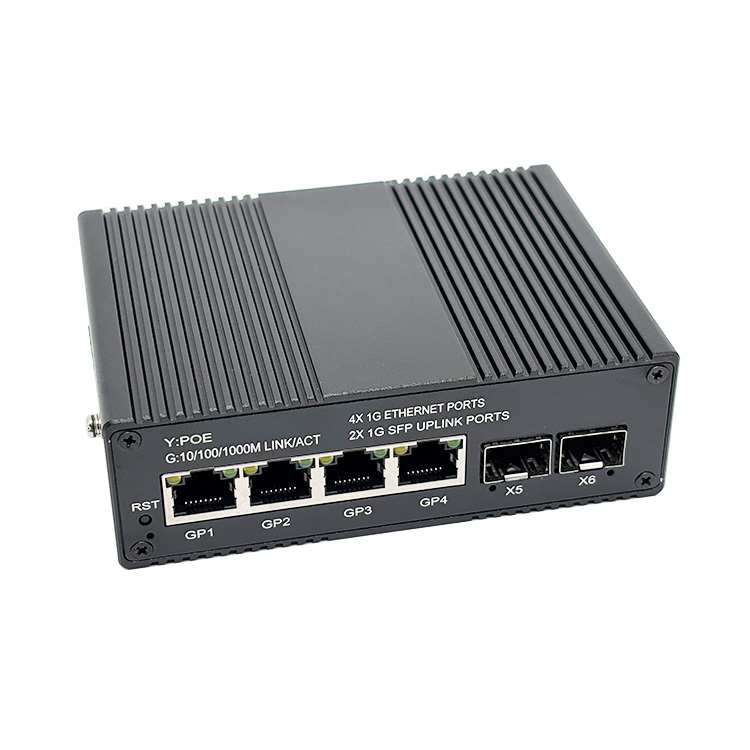
The next stage involves assembling the PoE switch itself. Here, the PCB and optical modules are placed into rugged enclosures designed to withstand harsh environments. Features such as VLAN, QoS, RSTP, ERPS, SNMP, PoE control, link aggregation, and lower power consumption are implemented. The switches are built to operate in industries like petroleum, energy storage, high-speed rail, wind power generation, and security. FICOTEK holds invention and utility model patents that protect its unique designs.
Step 4: Software and Firmware Installation
Each switch receives a lightweight network management firmware that enables advanced features. The company’s production engineers have extensive experience in firmware development and work closely with the R&D team. The software is tested to ensure seamless integration with the hardware, providing reliable performance in solar-powered environments.
Step 5: Initial Power-On and Functional Testing
After assembly, each unit goes through an initial power-on test. Technicians check for basic functionality, including PoE output voltage, data transmission, and LED indicators. Any failures are sent back for rework. This stage is crucial to catch early defects before more extensive testing.
Step 6: Environmental Stress Testing
Given the solar application, switches must endure extreme temperatures and outdoor conditions. FICOTEK performs environmental stress tests, including thermal cycling from -40°C to 85°C and humidity exposure. The industrial-grade temperature resistance is verified here. Additionally, lightning protection circuitry is tested using high-voltage surge generators to simulate real-world electrical threats.
Step 7: Network Protocol Compliance Testing
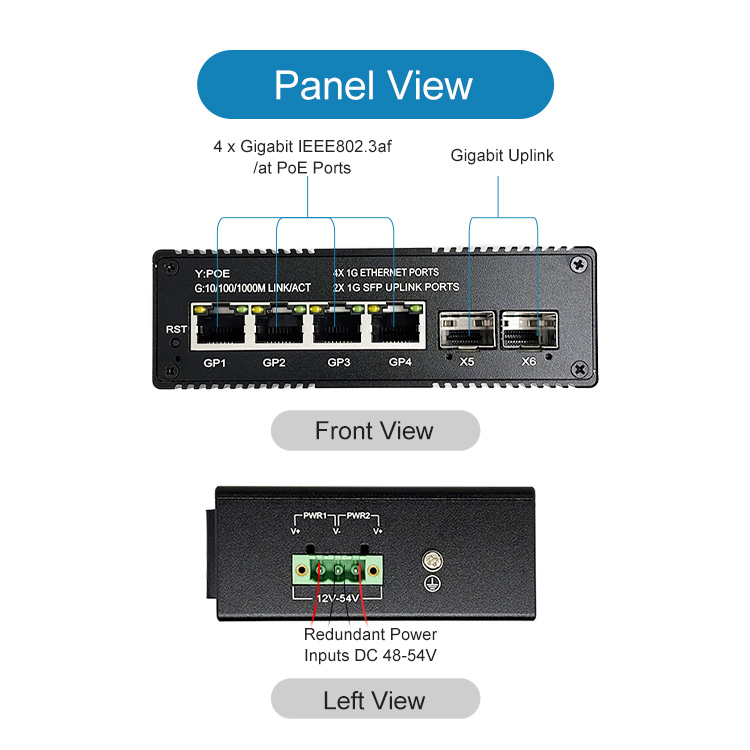
Each switch is tested for compliance with IEEE 802.3 standards and various protocols. A network analyzer checks for correct implementation of VLAN tagging, QoS prioritization, RSTP loop prevention, ERPS ring protection, SNMP management, and PoE scheduling. The lightweight network management ensures low power consumption, which is critical for solar-powered installations. Link aggregation is also verified for bandwidth optimization.
Step 8: Long-Term Reliability Burn-In
To simulate years of operation, switches are placed in burn-in chambers for extended periods (typically 48-72 hours) while running full traffic loads. This helps identify infant mortality failures. Only units that pass this phase proceed to final packaging. FICOTEK’s commitment to reliability is evident; every product launched has undergone rigorous verification.
Step 9: Final Quality Control and Packaging
A final visual inspection ensures no cosmetic defects. The switches are then packed with accessories and documentation. Each unit receives a unique serial number for traceability. FICOTEK’s factory has absorbed a group of experienced production and process technology engineers who oversee this stage. The company’s people-oriented philosophy ensures that workers are well-trained and motivated to maintain high quality.
After-Sales Support and Customization
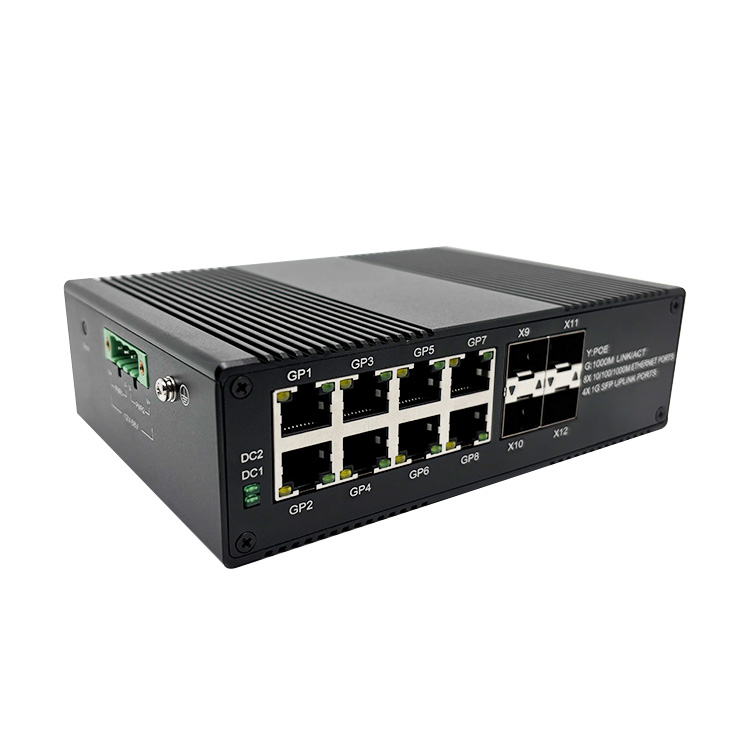
FICOTEK offers extensive customization options. Customers can request tailored OEM/ODM solutions with specific port configurations, power budgets, or management features. The company’s intellectual property portfolio enables them to deliver unique products. Moreover, all customers enjoy a one-year replacement warranty, three-year repair warranty, and lifetime technical support. This policy reflects the company’s confidence in their manufacturing process.
Conclusion
From PCB assembly to final testing, FICOTEK’s solar PoE switch production line exemplifies precision engineering and rigorous quality assurance. The company’s vertical integration across optical components, modules, and switches sets it apart in the industry. With a focus on industrial-grade resilience, lightweight network management, and low power consumption, their products are ideal for demanding solar applications. FICOTEK welcomes friends from all walks of life to visit their factory and experience the difference.