

This article explores the critical differences between a Solar POE Switch Factory and an Assembly Plant, using Shenzhen Ficotek Photonics Co., Ltd (FICOTEK) as a prime example of a true factory. A factory engages in full vertical integration—from R&D and component sourcing to manufacturing, testing, and after-sales support—whereas an assembly plant merely combines pre-made parts with limited design control. FICOTEK operates its own factory with complete industry chain capabilities (optical components to industrial switches), holds invention and utility model patents, and enforces rigorous reliability verification for all products. In contrast, assembly plants lack innovation, customization, and long-term support. FICOTEK’s Solar POE switches feature industrial-grade temperature resistance, outdoor lightning protection, and advanced network management (VLAN, QoS, RSTP, ERPS, SNMP, POE control, link aggregation, low power consumption), making them ideal for harsh environments like petroleum, energy storage, high-speed rail, wind power, and security. The company offers OEM/ODM services with independent IP rights and a comprehensive warranty: one-year replacement, three-year warranty, and lifetime technical support. The article concludes that for mission-critical applications, choosing a factory over an assembly plant ensures reliability, performance, and long-term value. FICOTEK’s people-oriented management and efficient innovation philosophy further solidify its position as a trusted partner in industrial networking.
In the rapidly evolving world of industrial networking, the terms ‘factory’ and ‘assembly plant’ are often used interchangeably, but they represent fundamentally different approaches to manufacturing. For Solar POE (Power over Ethernet) switches, understanding the distinction is critical for buyers seeking reliability, performance, and long-term support. This article explores the key differences, with a focus on how a true factory like Shenzhen Ficotek Photonics Co., Ltd (FICOTEK) stands apart from mere assembly plants.
What Defines a Solar POE Switch Factory?
A factory is a facility that engages in the full spectrum of production, from raw materials or components to finished goods. In the context of Solar POE switches, a factory typically has in-house capabilities for research and development (R&D), design, component sourcing, manufacturing, testing, and quality assurance. FICOTEK, for instance, operates its own factory with complete R&D and production equipment, including product testing instruments. The company possesses the entire industry chain from optical components (TOSA, ROSA, BOSA) to optical modules, media converters, and industrial-grade switches. This vertical integration allows for rigorous control at every stage.
Key characteristics of a factory:
- Owns the intellectual property (IP) for product designs.
- Has dedicated R&D teams that innovate and improve products.
- Controls the supply chain and component procurement.
- Performs extensive reliability testing before market launch.
- Offers customization, OEM, and ODM services with independent IP rights.
What Is an Assembly Plant?
An assembly plant, in contrast, typically purchases pre-made components (printed circuit boards, enclosures, power supplies, etc.) and assembles them into finished products. These plants focus on labor and logistics rather than design or innovation. They may lack the expertise to modify designs or optimize performance. Assembly plants often cater to low-cost, high-volume orders but provide limited technical support and no ownership of the product’s core technology.
undefined
Limitations of assembly plants:
- Dependent on third-party component suppliers.
- No control over design changes or quality of subcomponents.
- Limited customization capabilities.
- Shorter warranty periods and less comprehensive after-sales support.
Critical Differences in Solar POE Switch Production
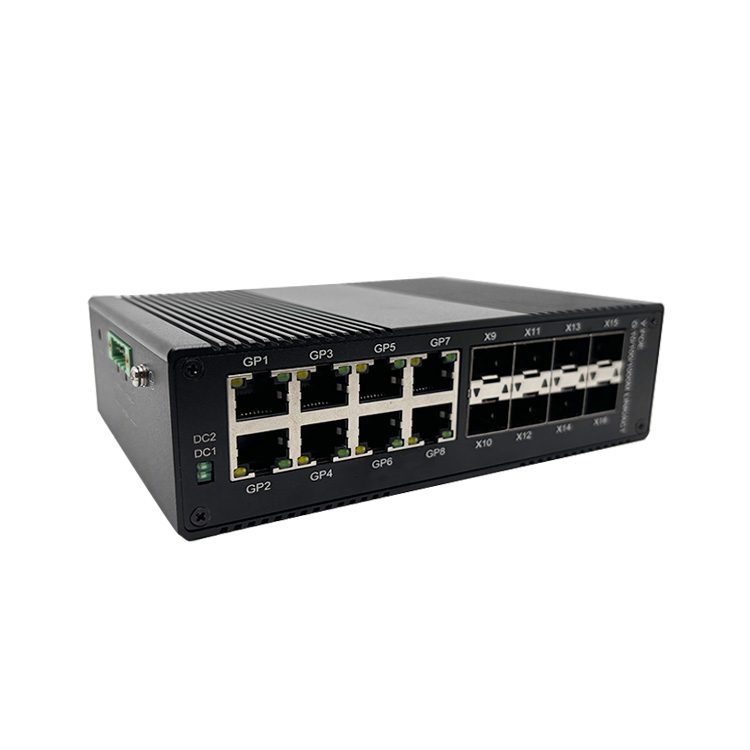
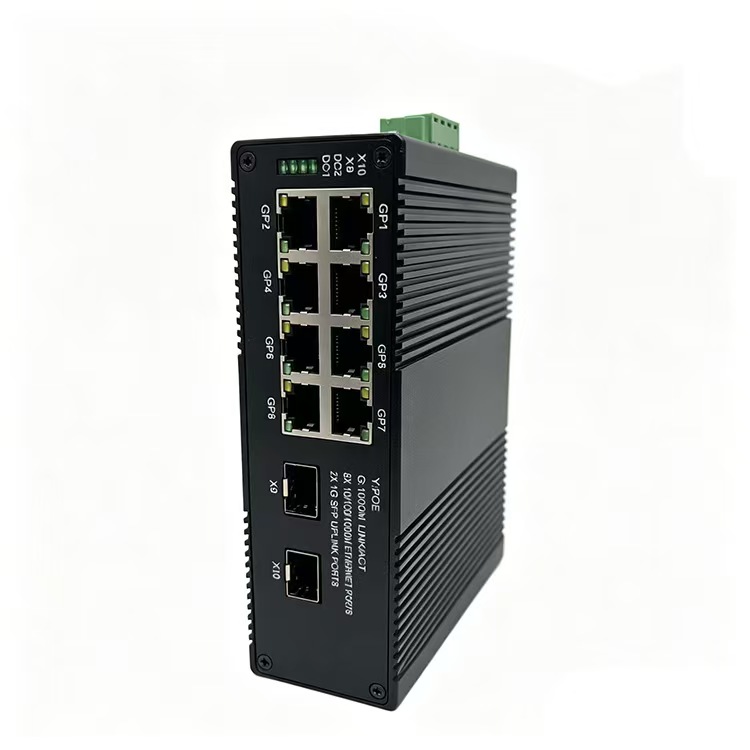
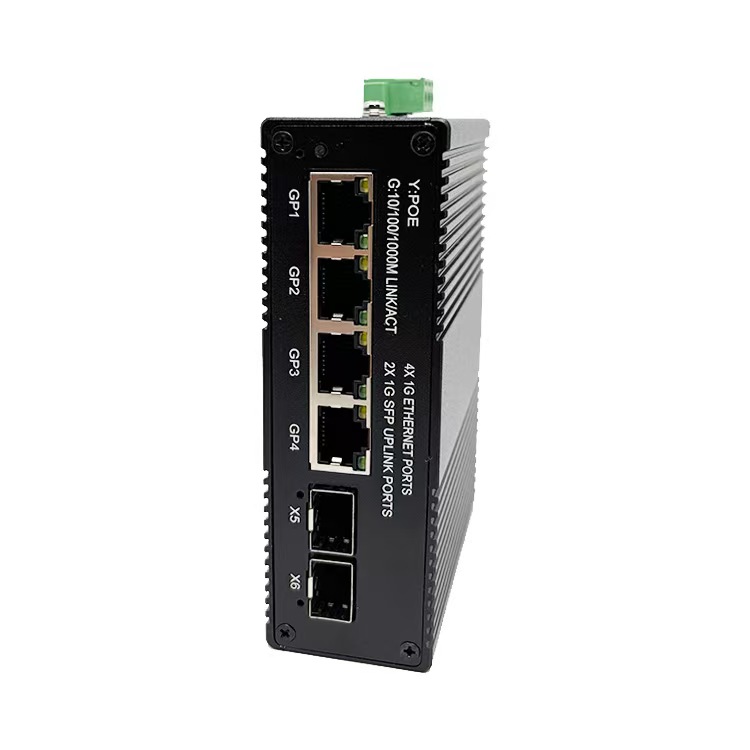
Solar POE switches are used in demanding environments such as petroleum, energy storage, high-speed rail, wind power, and security. They require industrial-grade temperature resistance, outdoor lightning protection, and advanced network management features (VLAN, QoS, RSTP, ERPS, SNMP, POE control, link aggregation, and low power consumption). A true factory like FICOTEK designs these features from the ground up, ensuring they meet stringent standards. In contrast, an assembly plant might use generic components that fail under harsh conditions.
Reliability and Testing
FICOTEK subjects every product to rigorous reliability verification before launch. The company has invention patents and utility model patents, reflecting a commitment to innovation. Assembly plants rarely invest in such extensive testing, increasing the risk of field failures.
Customization and Support
FICOTEK can provide customized products with independent intellectual property rights according to customer requirements. They offer OEM and ODM services, backed by a ‘one-year replacement, three-year warranty, and lifetime technical support’ policy. This level of service is impossible for an assembly plant that lacks design capability.
FICOTEK: A Model of Vertical Integration
Shenzhen Ficotek Photonics Co., Ltd. (FICOTEK) exemplifies the factory model. The company adheres to the business philosophy of efficient innovation and people-oriented management. Its management team includes talents with rich experience in enterprise management and market expansion of optoelectronic and optical communication products. FICOTEK has absorbed a group of experienced production and process technology engineers, providing strong technical support. With continuous growth in factory size and number of employees, production capacity increases steadily.
FICOTEK’s product line includes industrial-grade switches with features like lightweight network management, VLAN, QoS, RSTP, ERPS, SNMP, POE control, link aggregation, and lower power consumption. These are widely used in petroleum, energy storage, high-speed rail, wind power generation, and security industries.
Complete Industry Chain
Unlike assembly plants, FICOTEK has complete R&D and production capabilities across the entire industry chain: from optical components to TOSA/ROSA/BOSA, to optical modules, to media converters, to industrial-grade switches. This vertical integration allows for total quality control and rapid customization.
Why Choose a Factory Over an Assembly Plant?
For critical infrastructure projects, the choice is clear: a factory like FICOTEK provides reliability, innovation, and long-term support. Assembly plants may offer lower upfront costs, but the hidden costs of downtime, replacements, and lack of technical support far outweigh the savings.
| Aspect | Factory (e.g., FICOTEK) | Assembly Plant |
|---|---|---|
| R&D Capability | In-house, continuous innovation | None or limited |
| Quality Control | End-to-end, rigorous testing | Dependent on suppliers |
| Customization | Full OEM/ODM with IP rights | Limited or none |
| Warranty & Support | 1-year replacement, 3-year warranty, lifetime tech support | Typically shorter, less comprehensive |
| Patent Portfolio | Owns invention and utility model patents | No patents |
| Application Suitability | Industrial, harsh environments | Indoor, benign environments |
Conclusion
When sourcing Solar POE switches, understanding the difference between a factory and an assembly plant is essential. A factory like FICOTEK offers unparalleled control over design, quality, and support, making it the preferred partner for mission-critical projects. With its own factory, complete industry chain, and commitment to innovation, FICOTEK delivers products that stand the test of time—backed by a philosophy of efficient innovation and people-oriented management. Friends from all walks of life are welcome to visit and provide guidance.
To learn more about FICOTEK’s Solar POE switches and industrial networking solutions, visit their manufacturing facilities in Shenzhen or contact their sales team. Experience the difference that a true factory makes.