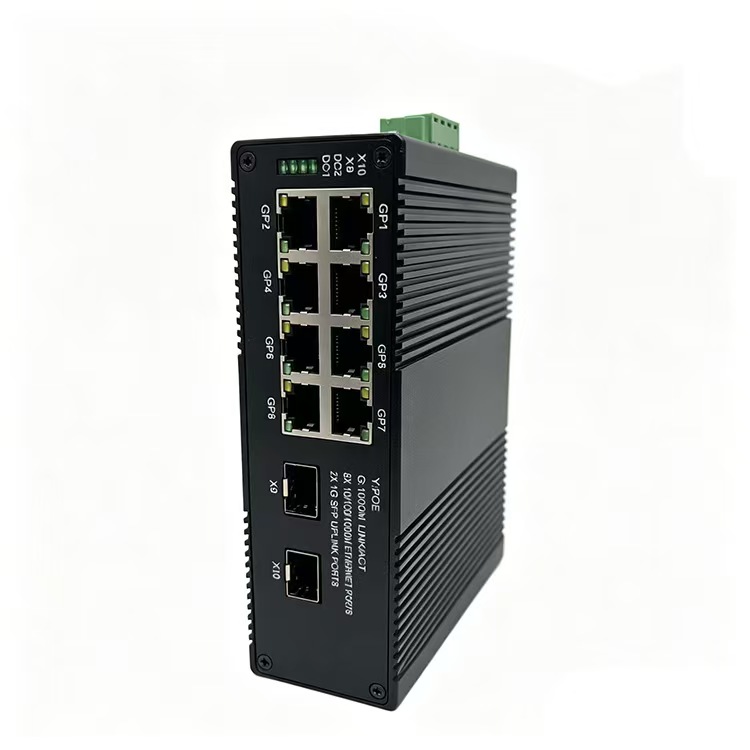
This blog post provides a comprehensive guide for evaluating Solar POE switch manufacturers, focusing on five key metrics: product reliability and durability, technical specifications and features, manufacturing capabilities and customization, business philosophy and management experience, and industry applications. The article highlights Shenzhen Ficotek Photonics Co., Ltd. (FICOTEK) as a prime example of a manufacturer excelling in all these areas. FICOTEK’s industrial-grade switches are built to withstand extreme temperatures and lightning strikes, featuring lightweight network management with VLAN, QoS, RSTP, ERPS, SNMP, and POE control. The company operates its own factory with full vertical integration from optical components to finished switches, enabling customized OEM and ODM services. Their customer-centric approach includes a one-year replacement, three-year warranty, and lifetime technical support. FICOTEK’s products are widely used in petroleum, energy storage, high-speed rail, wind power, and security applications. By comparing manufacturers against these five metrics, buyers can identify partners that offer durable, feature-rich, and customizable solutions for solar-powered networking needs.
In the rapidly evolving landscape of renewable energy and industrial networking, Solar Power over Ethernet (POE) switches have emerged as critical components for remote monitoring, security, and automation systems. These switches combine the benefits of solar power with Power over Ethernet technology, enabling data and power transmission over a single cable without relying on the grid. As the demand for sustainable and reliable networking solutions grows, choosing the right manufacturer becomes paramount. This article provides a comprehensive comparison framework, focusing on five key metrics to evaluate Solar POE switch manufacturers, with a special spotlight on one industry leader: Shenzhen Ficotek Photonics Co., Ltd. (FICOTEK).
Why Solar POE Switches?
Solar POE switches are designed to operate in environments where traditional power sources are unavailable or impractical. They are widely used in solar-powered surveillance systems, remote oil and gas monitoring, wind power farms, energy storage facilities, and smart agriculture. Their ability to withstand harsh weather conditions, including extreme temperatures and lightning strikes, makes them indispensable for outdoor deployments. Additionally, features like VLAN, QoS, RSTP, ERPS, SNMP, POE control, and link aggregation enhance network efficiency and reliability.
Key Metric #1: Product Reliability and Durability
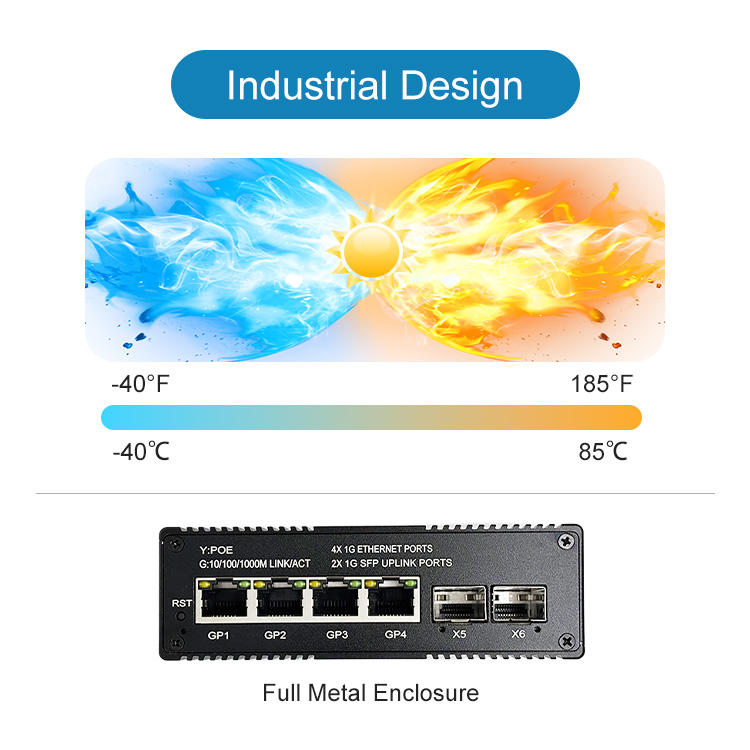
The first and foremost criterion is the product’s ability to perform consistently under demanding conditions. Look for switches with industrial-grade temperature resistance (typically -40°C to 75°C) and robust lightning protection. Manufacturers like FICOTEK ensure that every product undergoes rigorous reliability verification before market launch. Their industrial switches are designed for petroleum, energy storage, high-speed rail, wind power, and security applications, confirming their durability in extreme environments.
undefined
Example: FICOTEK’s Approach
FICOTEK has complete R&D and production equipment, including product testing instruments, spanning the entire industry chain from optical components to optical modules, media converters, and industrial switches. This vertical integration allows for stringent quality control at every stage. The company owns invention and utility model patents, reflecting its commitment to innovation and reliability.
Key Metric #2: Technical Specifications and Features
Not all POE switches are created equal. Essential features to compare include:
- POE budget and port power
- Managed vs. unmanaged options
- Network management protocols (VLAN, QoS, RSTP, ERPS, SNMP)
- POE control and link aggregation
- Power consumption efficiency
FICOTEK’s product line offers lightweight network management with full support for these protocols, ensuring flexible and efficient network operation. Their switches feature lower power consumption, which is a critical advantage for solar-powered systems.
Key Metric #3: Manufacturing Capabilities and Customization
A manufacturer’s ability to customize products to specific customer needs is a significant differentiator. Evaluate whether the company offers OEM and ODM services, and whether they can tailor products with independent intellectual property rights. FICOTEK’s own factory continuously expands its capacity, allowing for customized product development. They provide after-sales service of “one-year replacement, three-year warranty, and lifetime technical support,” ensuring long-term customer satisfaction.
Production Infrastructure
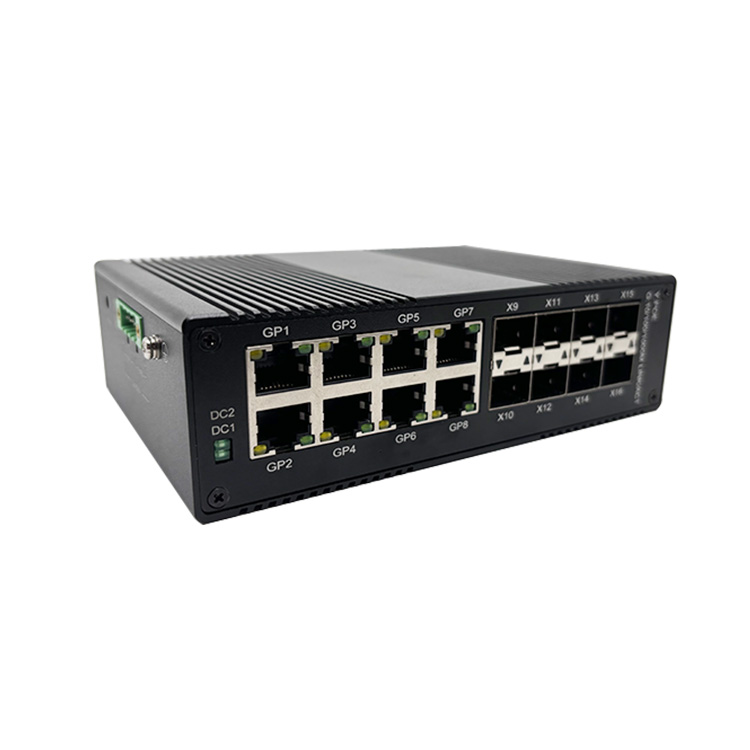
FICOTEK boasts complete R&D and production facilities, including equipment for TOSA, ROSA, BOSA, optical modules, media converters, and industrial switches. This end-to-end capability enables the company to offer a wide variety of products and react quickly to custom requests.
Key Metric #4: Business Philosophy and Management Experience
The company’s ethos and management expertise directly impact product quality and customer service. Look for manufacturers with a people-oriented culture and experienced management teams. FICOTEK adheres to the business philosophy of efficient innovation and people-oriented. Their management personnel have extensive experience in enterprise management and market expansion of optoelectronic and optical communication products. They also have a group of experienced production and process technology engineers providing strong technical support.
Key Metric #5: Industry Applications and Case Studies
Finally, examine the manufacturer’s track record in relevant industries. A reliable supplier will have a proven history in sectors like petroleum, energy storage, high-speed rail, wind power, and security. FICOTEK’s products are widely deployed in these fields, demonstrating their adaptability and performance. Their switches are built to handle lightning protection and industrial temperature ranges, making them ideal for outdoor solar installations.
Comparative Table: 5 Key Metrics
| Metric | Importance | FICOTEK Strengths |
|---|---|---|
| Reliability & Durability | Critical for outdoor use | Industrial temp, lightning protection, rigorous testing |
| Technical Features | Affects network performance | VLAN, QoS, RSTP, ERPS, SNMP, POE control, low power consumption |
| Customization & Manufacturing | Determines flexibility | Own factory, OEM/ODM, full industry chain capabilities, patents |
| Management & Support | Ensures long-term partnership | Experienced management, lifetime technical support, 3-year warranty |
| Industry Applications | Validates real-world usage | Petroleum, energy storage, high-speed rail, wind power, security |
Conclusion
Selecting the right Solar POE switch manufacturer requires careful evaluation of reliability, features, customization, management, and field experience. Companies like FICOTEK, with their vertical integration, innovative patents, and customer-centric policies, stand out as strong candidates. By applying these five metrics, buyers can make informed decisions that align with their specific project requirements. FICOTEK welcomes partners from all walks of life to visit and provide guidance—reflecting their open and customer-focused approach.
In summary, the solar POE switch market offers numerous options, but a systematic comparison using these key metrics will lead to a robust and sustainable networking solution.