This article explains the key differences between a manufacturer and a supplier in the context of Solar POE switches, using Shenzhen Ficotek Photonics Co., Ltd (FICOTEK) as an example of a manufacturer. A manufacturer designs, produces, and tests products, offering customization, deep technical support, and direct warranty. In contrast, a supplier distributes products from various manufacturers, providing convenience but less control over quality and innovation. FICOTEK, with its own factory, R&D capabilities, and patents, exemplifies the advantages of working with a manufacturer: industrial-grade products with features like VLAN, QoS, and lightning protection, along with OEM/ODM services and comprehensive after-sales support (one-year replacement, three-year warranty, lifetime technical support). The article includes a comparison table highlighting differences in product control, customization, technical support, warranty, cost, and innovation. It concludes that for mission-critical solar installations, a manufacturer like FICOTEK is preferable due to reliability, customization, and long-term support, whereas a supplier may suffice for standardized, low-volume needs. The summary emphasizes that understanding these differences helps buyers make informed decisions for optimal performance and cost efficiency in solar POE switch procurement.
In the rapidly evolving landscape of solar energy and network infrastructure, the demand for reliable and efficient Power over Ethernet (POE) switches has surged. These devices, which combine data transmission and power delivery over a single Ethernet cable, are critical in solar power systems for connecting cameras, sensors, and other devices. When sourcing solar POE switches, buyers often encounter two types of entities: manufacturers and suppliers. Understanding the distinction is crucial for making informed procurement decisions. This article delves into the roles, advantages, and key differences between manufacturers and suppliers, using Shenzhen Ficotek Photonics Co., Ltd (FICOTEK) as an exemplary manufacturer.
What is a Solar POE Switch?
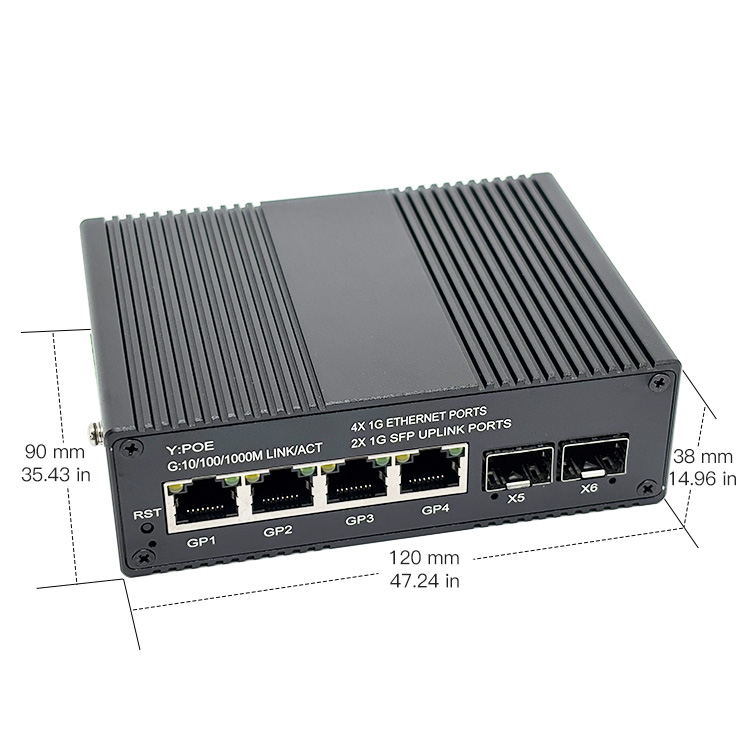
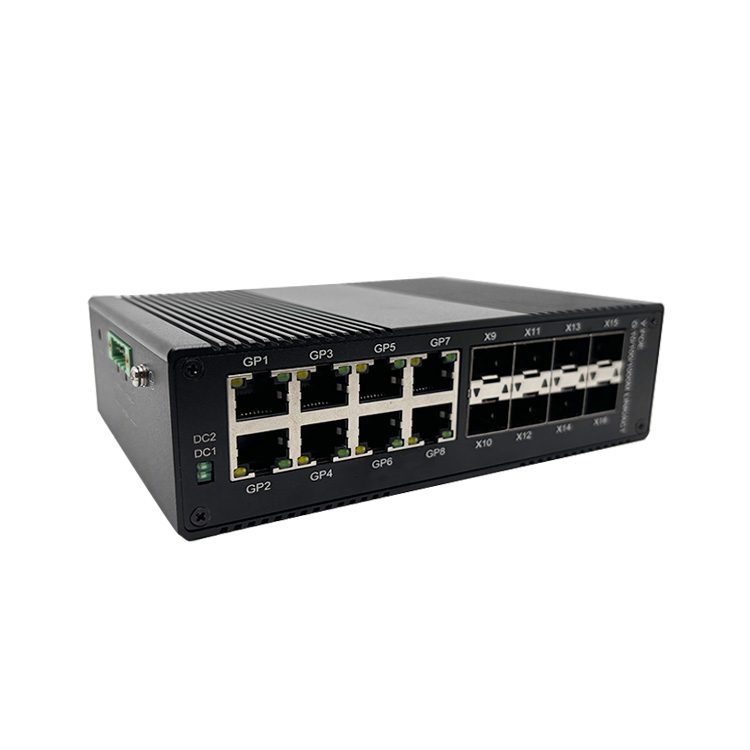
A solar POE switch is a network switch designed to operate in solar-powered environments, often with industrial-grade durability and low power consumption. It allows devices like IP cameras and access points to receive power and data through the same cable, simplifying installation in remote or off-grid locations. Typical features include VLAN, QoS, RSTP, ERPS, SNMP, POE control, link aggregation, and lightning protection. These switches are widely used in industries such as petroleum, energy storage, high-speed rail, wind power generation, and security.
The Role of a Manufacturer
A manufacturer is an entity that designs, develops, and produces the product itself. Companies like FICOTEK possess complete research and development (R&D) capabilities, production facilities, and quality control systems. They have the expertise to create products from raw materials or components, and they often hold patents and intellectual property rights. For example, FICOTEK has invention patents and utility model patents for its technologies. With its own factory, FICOTEK can offer customized products, OEM/ODM services, and rigorous reliability testing. The company’s management team includes experts with years of experience in optoelectronics and optical communication, while its engineers provide strong technical support. FICOTEK’s products feature industrial-grade temperature resistance and outdoor lightning protection, and the company provides after-sales service with “one-year replacement, three-year warranty, and lifetime technical support.”
undefined
The Role of a Supplier
A supplier, in contrast, is an entity that sources products from various manufacturers and sells them to customers. Suppliers may be distributors, wholesalers, or resellers. They often stock multiple brands and offer convenience by providing a one-stop shop for buyers. However, they typically do not have direct control over product design, quality, or customization. While suppliers can offer competitive pricing and faster delivery through existing inventory, they may lack the deep technical knowledge and after-sales support that manufacturers provide. For specialized products like solar POE switches, relying solely on a supplier might limit access to tailored solutions and long-term reliability.
Key Differences Between Manufacturer and Supplier
| Aspect | Manufacturer | Supplier |
|---|---|---|
| Product control | Full control over design, materials, and quality | Limited to product selection from manufacturers |
| Customization | Can offer OEM/ODM and custom solutions | Typically only off-the-shelf products |
| Technical support | In-depth engineering and R&D support | General sales support, may rely on manufacturer |
| Warranty & service | Direct warranty and service, often extended | Pass-through warranty, may be limited |
| Cost structure | Higher minimum orders but lower unit cost for volume | Lower minimum orders but higher unit price |
| Innovation | Drives innovation through patents and R&D | Depends on manufacturer innovations |
Why Choose a Manufacturer Like FICOTEK?
For buyers seeking reliable, high-performance solar POE switches, partnering directly with a manufacturer offers distinct advantages. FICOTEK, for instance, has complete in-house capabilities from optical components to full switches. Its products undergo rigorous reliability verification before market release. The company’s business philosophy of “efficient innovation and people-oriented” ensures continuous improvement. With a growing factory and employee base, FICOTEK scales production while maintaining quality. They provide lightweight network management features and lower power consumption, ideal for solar applications. By choosing a manufacturer, customers gain access to customized products with independent intellectual property rights, along with comprehensive after-sales support. Moreover, FICOTEK’s experienced management and technical team deliver robust solutions for challenging environments like petroleum, energy storage, high-speed rail, and wind power.
Conclusion
In summary, while both manufacturers and suppliers play essential roles in the supply chain, the choice between them depends on project requirements. For standardized, low-volume needs, a supplier may suffice. However, for mission-critical solar installations that demand customization, reliability, and long-term support, a manufacturer like FICOTEK is the superior choice. By understanding these differences, buyers can ensure they select the right partner for their solar POE switch needs, ultimately leading to better performance and lower total cost of ownership.
FICOTEK welcomes friends from all walks of life to visit and provide guidance. With its strong R&D, production equipment, and testing instruments, the company stands ready to deliver cutting-edge solutions. Whether you need industrial-grade switches for harsh environments or customized products for specific applications, FICOTEK’s team is equipped to meet your demands.
In conclusion, the decision between a manufacturer and a supplier should be based on the project’s scale, technical requirements, and desired level of support. Manufacturers offer depth, while suppliers offer breadth. For solar POE switches, where performance and durability are paramount, the manufacturer’s direct involvement often results in superior outcomes.