

Shenzhen Ficotek Photonics Co., Ltd (FICOTEK) is a vertically integrated manufacturer of solar Power over Ethernet (POE) switches, controlling the entire production chain from optical components to finished industrial switches. This article examines the advantages and risks of their vertical integration strategy. Advantages include superior quality control, cost efficiency, rapid customization, enhanced innovation through patents, and a resilient supply chain. Products feature industrial-grade temperature tolerance, lightning protection, and lightweight network management, serving industries like petroleum, energy storage, high-speed rail, wind power, and security. However, risks include high capital investment, operational complexity, market volatility, technological obsolescence, and reduced flexibility. FICOTEK mitigates these through lean manufacturing, R&D partnerships, customer feedback, and inventory management. The company offers OEM/ODM services with a one-year replacement, three-year warranty, and lifetime technical support. Their vertical integration positions them for growth in the renewable energy sector, but continuous innovation is needed to stay competitive. Overall, FICOTEK balances integration benefits with proactive risk management, providing reliable solutions for harsh environments.
The solar power over Ethernet (POE) switch market is rapidly expanding as industries seek reliable, energy-efficient networking solutions for outdoor and harsh environments. Among the key players, Shenzhen Ficotek Photonics Co., Ltd (FICOTEK) stands out for its vertical integration strategy, which spans from optical components to complete industrial-grade switches. This article explores the advantages and risks associated with FICOTEK’s approach, offering insights for potential partners and customers.
Company Overview
FICOTEK adheres to the business philosophy of efficient innovation and being people-oriented. The company’s management team includes professionals with rich experience in enterprise management, as well as years of involvement in the development and market expansion of optoelectronic and optical communication products. They have also absorbed a group of experienced production and process technology engineers, providing strong technical support for their products. With its own factory, FICOTEK has seen continuous growth in factory size and employee count, leading to increased production capacity. They can provide customized products with independent intellectual property rights according to customer requirements, and offer OEM and ODM services. All customers enjoy after-sales service of one-year replacement, three-year warranty, and lifetime technical support.
Vertical Integration: From Components to Systems
FICOTEK has complete R&D and production equipment, as well as product testing instruments. They possess complete R&D and production capabilities throughout the entire industry chain—from optical components to TOSA, ROSA, BOSA, optical modules, media converters, and industrial-grade switches. This vertical integration allows them to control quality, reduce costs, and speed up innovation. Any product launched to the market undergoes rigorous reliability verification. They hold invention patents and utility model patents, protecting their technological advancements.
undefined
Product Features
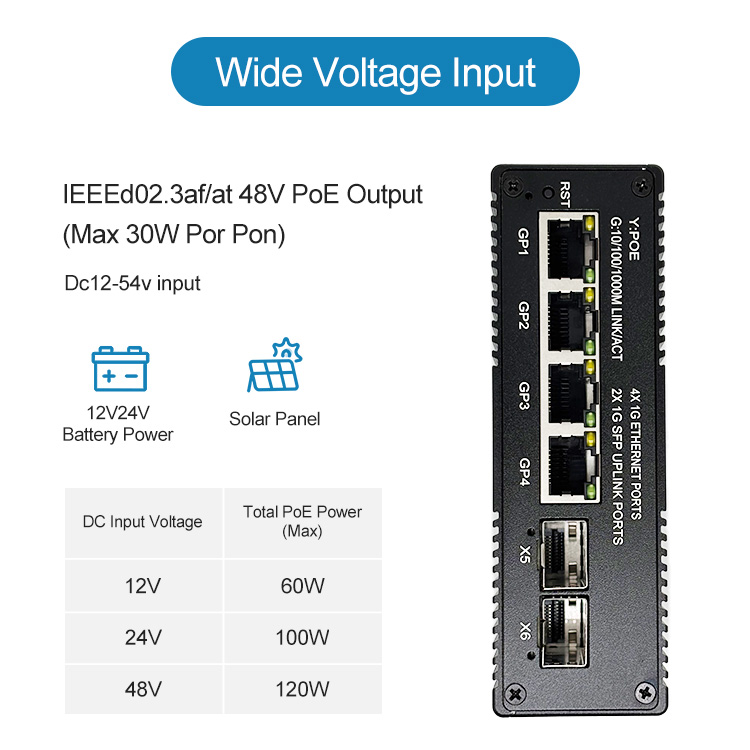
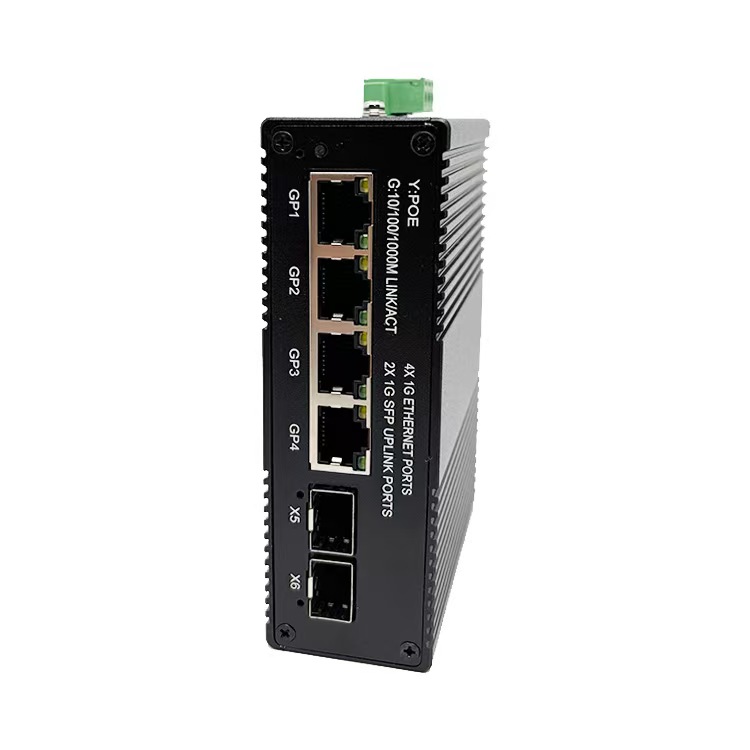
FICOTEK’s solar POE switches feature industrial-grade temperature resistance and outdoor lightning protection. They offer lightweight network management with VLAN, QoS, RSTP, ERPS, SNMP, POE control, link aggregation, and lower power consumption. These switches are widely used in industries such as petroleum, energy storage, high-speed rail, wind power generation, and security.
Advantages of Vertical Integration
- Quality Control: By managing every production stage, FICOTEK ensures high reliability and compliance with industrial standards. Each product undergoes rigorous testing before market launch.
- Cost Efficiency: Vertical integration reduces dependency on external suppliers, lowering material costs and eliminating middlemen. This leads to competitive pricing for customers.
- Customization: FICOTEK can quickly adapt to customer needs, offering customized solutions with independent IP rights. Their OEM/ODM services allow clients to brand products without sacrificing quality.
- Innovation Speed: In-house R&D and production enable rapid prototyping and iteration. Patents protect new designs, giving FICOTEK a technological edge.
- Supply Chain Reliability: During global component shortages, FICOTEK’s self-sufficient supply chain minimizes disruptions, ensuring timely deliveries.
Risks of Vertical Integration
Despite the benefits, vertical integration also carries risks:
- High Capital Investment: Maintaining full-chain capabilities requires significant upfront investment in equipment, facilities, and talent. Cash flow can be strained during downturns.
- Operational Complexity: Managing diverse production stages (from optical components to finished switches) demands broad expertise. Any bottleneck in one area affects the whole system.
- Market Volatility: If demand for certain components shifts, FICOTEK may face excess capacity or obsolete inventories. For example, a sudden change in optical module standards could affect downstream products.
- Technological Obsolescence: Rapid innovation in networking (e.g., 5G, higher PoE standards) requires continuous R&D investment. FICOTEK must stay ahead to avoid being locked into outdated technologies.
- Rigidity: Vertical integration can make it harder to switch suppliers for cost or performance reasons. External market changes may be slower to adopt compared to more agile, focused competitors.
How FICOTEK Mitigates Risks
FICOTEK addresses these risks through:
- Lean Manufacturing: Continuous improvement processes reduce waste and improve flexibility.
- R&D Partnerships: Collaborating with academic and industry partners to stay on top of emerging trends.
- Customer Feedback Loops: Close engagement with clients in sectors like petroleum, wind power, and security ensures products meet real-world demands.
- Inventory Management: Advanced forecasting and modular designs help minimize stock obsolescence.
Application in Solar and Renewable Energy
Solar POE switches are critical for monitoring and controlling solar farms, energy storage systems, and wind turbines. FICOTEK’s industrial-grade temperature range (-40°C to 75°C) and lightning protection ensure reliable operation in outdoor environments. Their low-power consumption design aligns with green energy goals. For instance, in a large-scale solar plant, these switches can aggregate data from thousands of panels and withstand harsh weather.
Competitive Landscape
FICOTEK competes with both traditional networking giants and specialized industrial switch makers. Its vertical integration gives it an edge in cost and customization, but it must continuously invest in R&D to match features like high-power PoE++ or cybersecurity protocols. The company’s patents and long warranty period build trust.
Conclusion
FICOTEK’s vertical integration offers distinct advantages: quality, cost efficiency, customization, and supply chain resilience. However, the risks of capital intensity, complexity, and market shifts require careful management. For partners in renewable energy, industrial automation, and security, FICOTEK provides reliable, customized solutions backed by strong after-sales support. As the solar POE switch market grows, companies that balance integration with agility will thrive. FICOTEK’s commitment to efficient innovation and people-oriented management positions it well for sustainable success.
Welcome friends from all walks of life to visit and provide guidance. For more information, contact FICOTEK.