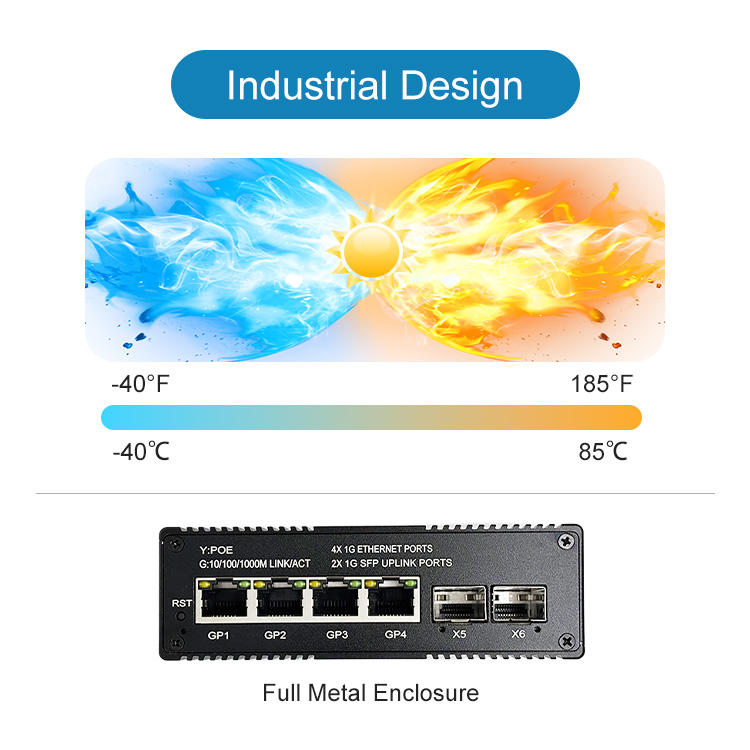
This blog discusses the importance of minimum order quantity (MOQ) when sourcing solar POE switches for industrial applications. It explains factors that influence MOQs, such as manufacturing capacity, component sourcing, customization, and product complexity. The article highlights how Shenzhen Ficotek Photonics Co., Ltd. (FICOTEK) offers flexible MOQ options due to its own factory, vertical integration, and growing production capacity. FICOTEK’s solar POE switches feature industrial-grade temperature resistance, lightning protection, and advanced network management (VLAN, QoS, RSTP, ERPS, SNMP, POE control, link aggregation) with low power consumption. The company provides OEM/ODM services and comprehensive after-sales support (one-year replacement, three-year warranty, lifetime technical support). Buyers are advised to plan demand, negotiate, choose standard models, and use samples to manage MOQs effectively. FICOTEK’s innovation is backed by patents, and the company invites inquiries for customized solutions.
When sourcing solar POE switches for industrial applications, understanding minimum order quantity (MOQ) requirements is crucial for cost-effective procurement. This blog explores the factors influencing MOQs, key considerations for buyers, and how suppliers like Shenzhen Ficotek Photonics Co., Ltd. (FICOTEK) can meet diverse needs.
Understanding MOQ in the Solar POE Switch Market
MOQ, or minimum order quantity, is the smallest number of units a supplier is willing to produce or sell in a single order. For solar POE switches, MOQs vary widely based on manufacturing capabilities, component availability, and customization requirements. Typical MOQs range from 10 to 500 units for standard models, while customized products may require higher minimums due to setup costs.
undefined
Factors That Affect MOQ
Several elements influence a supplier’s MOQ policy:
- Manufacturing capacity: Factories with larger production lines can offer lower MOQs by amortizing costs across batches.
- Component sourcing: Specialized components like industrial-grade ICs or lightning protection modules may have their own MOQs from upstream suppliers.
- Customization level: OEM/ODM orders often require higher MOQs to justify tooling and engineering changes.
- Product complexity: Advanced features like VLAN, QoS, RSTP, ERPS, SNMP, or POE control may increase MOQ due to firmware and testing overhead.
Why MOQ Matters for Buyers
For project-based buyers, a supplier’s MOQ can make or break budget and timeline. High MOQs may lead to excess inventory, while low MOQs might indicate limited reliability. It’s essential to find a partner that balances flexibility with quality.
FICOTEK: A Supplier with Flexible MOQ Options
Shenzhen Ficotek Photonics Co., Ltd. (FICOTEK) is a prominent manufacturer of optical communication products, including solar POE switches. With its own factory and growing production capacity, FICOTEK accommodates a range of order sizes. The company adheres to a philosophy of efficient innovation and people-oriented management, led by experienced executives in optoelectronic product development.
Manufacturing Excellence
FICOTEK boasts complete R&D and production equipment, from optical components (TOSA, ROSA, BOSA) to optical modules, media converters, and industrial-grade switches. This vertical integration allows the company to control quality and offer competitive MOQs. The factory’s size and employee count have steadily increased, boosting production capacity and enabling customized products with independent intellectual property.
Product Features
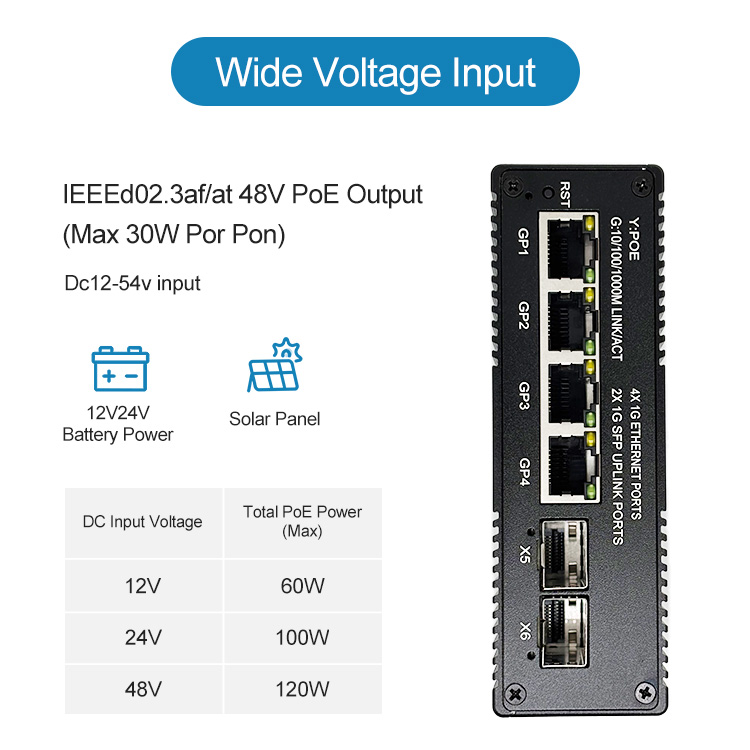
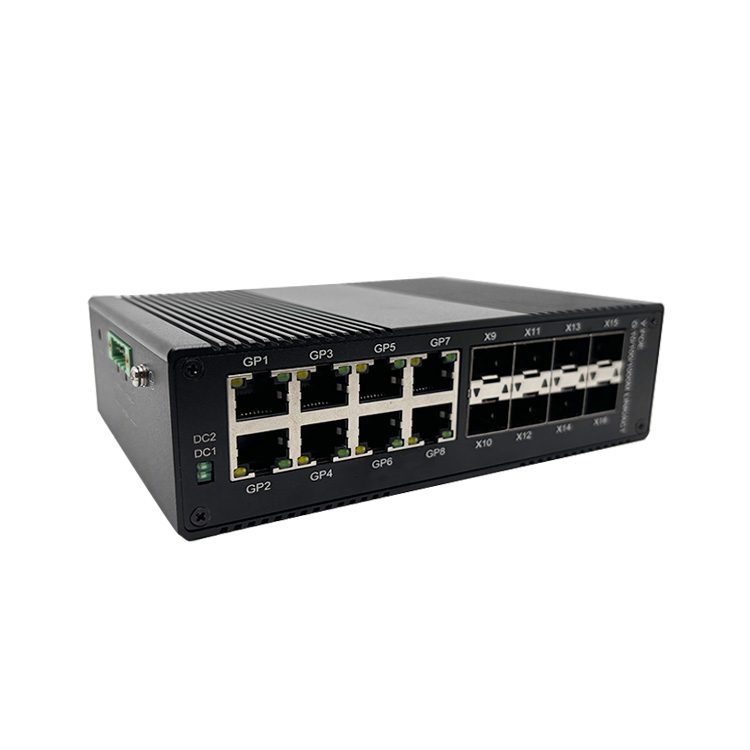
Solar POE switches from FICOTEK feature industrial-grade temperature resistance and outdoor lightning protection. They support lightweight network management with VLAN, QoS, RSTP, ERPS, SNMP, POE control, and link aggregation, while maintaining low power consumption. These switches are widely used in petroleum, energy storage, high-speed rail, wind power generation, and security sectors.
Customization and OEM/ODM Services
FICOTEK provides OEM and ODM services, tailoring products to customer specifications. Whether modifying firmware for specific VLAN configurations or designing a unique enclosure for solar applications, the company leverages its engineering team—including experienced production and process technology engineers—to deliver. All products undergo rigorous reliability verification before market launch.
After-Sales Support
Every FICOTEK customer enjoys comprehensive after-sales service: “one-year replacement, three-year warranty, and lifetime technical support.” This commitment reduces risk for buyers, especially those ordering prototype quantities or small batches.
Navigating MOQ Requirements: Tips for Buyers
To secure favorable MOQ terms, consider these strategies:
- Plan ahead: Forecast demand and combine orders with other projects to meet minimums.
- Negotiate: Some suppliers adjust MOQs for repeat customers or long-term partnerships.
- Select standard models: Off-the-shelf products typically have lower MOQs than custom designs.
- Utilize samples: Order samples for testing before committing to large MOQs.
Conclusion
Understanding MOQ requirements is vital when sourcing solar POE switches. Suppliers like FICOTEK, with their robust manufacturing capabilities, flexible customization, and strong after-sales support, offer viable solutions for various order sizes. Their patents—including invention patents and utility model patents—demonstrate innovation. By aligning your needs with a supplier’s MOQ policy, you can achieve cost efficiency and product reliability.
Welcome friends from all walks of life to visit FICOTEK and provide guidance. For more information on solar POE switches and MOQ details, contact the company directly.