

Solar POE switches are critical for powering remote devices in off-grid locations, and choosing the right supplier involves understanding various pricing models. Key factors affecting price include component quality, certifications, R&D, customization, warranty, volume, and logistics. Common models are cost-plus (transparent), value-based (premium features), tiered (discounts on volume), competitive (matching rivals), and subscription-based (monthly fees). A supplier like Shenzhen Ficotek Photonics Co., Ltd (FICOTEK) integrates full production from optical components to switches, offering cost control and flexibility. Their products feature industrial-grade temperature resistance, lightning protection, and advanced networking features such as VLAN, QoS, RSTP, ERPS, SNMP, POE control, link aggregation, and low power consumption—ideal for petroleum, energy storage, high-speed rail, wind power, and security. FICOTEK provides OEM/ODM customization, a three-year warranty, and lifetime support. Their business philosophy emphasizes efficient innovation and people-oriented management. With in-house R&D and testing, they hold patents for inventions and utility models. When selecting a pricing model, buyers should prioritize total cost of ownership, project needs, supplier reliability, and after-sales care. FICOTEK exemplifies a balanced approach, delivering quality and value through vertical integration and customer-centric policies.
Introduction
In the rapidly expanding market of renewable energy and IoT devices, solar-powered Power over Ethernet (POE) switches have emerged as critical components for remote surveillance, telecommunications, and smart grid applications. Choosing the right supplier and understanding their pricing models is essential for businesses looking to balance cost, quality, and long-term reliability. This comprehensive guide explores the key factors influencing pricing, the common pricing models used by suppliers, and how a manufacturer like Shenzhen Ficotek Photonics Co., Ltd (FICOTEK) positions itself in this competitive landscape.
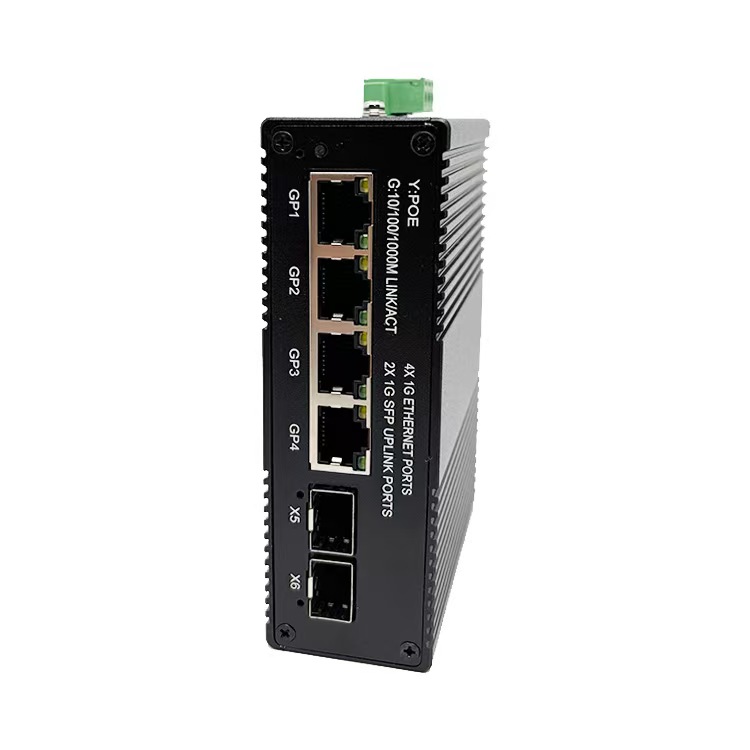
Solar POE switches are specialized industrial switches that combine power over Ethernet with solar energy capabilities, enabling devices like IP cameras and wireless access points to operate in off-grid environments. They typically feature industrial-grade temperature tolerance, outdoor lightning protection, and advanced network management features such as VLAN, QoS, RSTP, ERPS, SNMP, and POE control. Understanding these technical attributes is crucial when evaluating supplier offerings.
Understanding Solar POE Switches
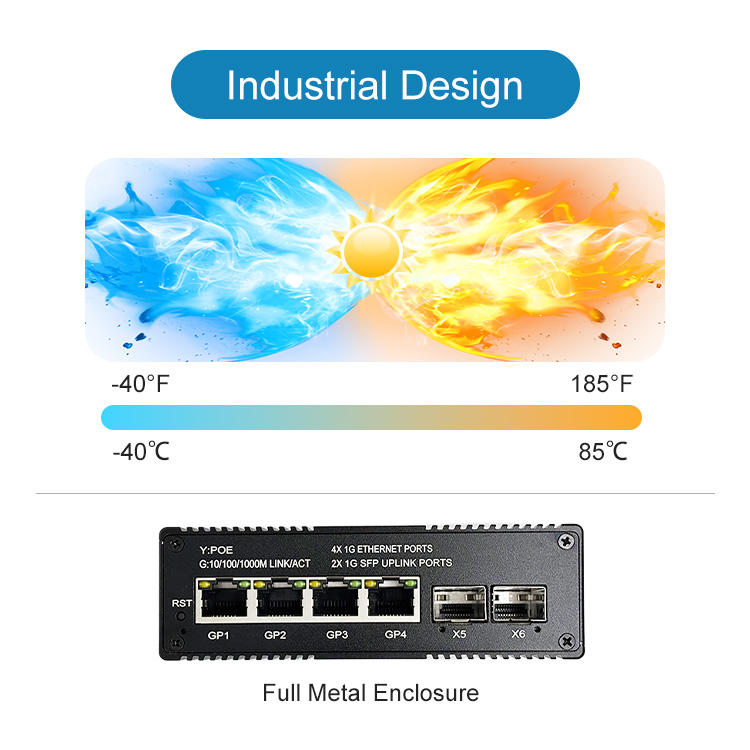
Before diving into pricing models, it is important to grasp what makes solar POE switches unique. These devices are designed to withstand harsh environmental conditions, including extreme temperatures, humidity, and voltage fluctuations from solar panels. They often incorporate MPPT (Maximum Power Point Tracking) technology to optimize energy harvest from solar panels and may include battery management systems for energy storage. FICOTEK’s products, for example, feature industrial-grade temperature resistance and outdoor lightning protection, with lightweight network management supporting VLAN, QoS, RSTP, ERPS, SNMP, POE control, link aggregation, and lower power consumption. Such capabilities make them suitable for industries like petroleum, energy storage, high-speed rail, wind power generation, and security.
The growing demand for remote monitoring and smart infrastructure has fueled the adoption of these switches. As a result, understanding supplier pricing models becomes a strategic necessity for procurement managers and system integrators.
undefined
Factors Influencing Solar POE Switch Pricing
Several factors affect the price of solar POE switches, and suppliers’ pricing models reflect these variables. Key factors include:
- Component Quality: The use of industrial-grade chips, robust enclosures, and reliable power modules directly impacts cost. High-quality components ensure longevity and reduce failure rates in the field.
- Certifications and Compliance: Products that meet international standards (e.g., CE, FCC, RoHS) or industry-specific certifications (e.g., for railway or oil & gas) involve additional testing and compliance costs.
- R&D Investment: Suppliers with strong in-house research capabilities, like FICOTEK with its full industry chain from optical components to TOSA/ROSA/BOSA, optical modules, media converters, and industrial switches, can offer better performance but may need to recoup R&D expenses.
- Customization: OEM/ODM services, customized firmware, or physical modifications increase costs due to engineering time and lower volume production.
- Warranty and Support: Extended warranty and lifetime technical support add to the overall value proposition. FICOTEK’s after-sales policy of “one-year replacement, three-year warranty, and lifetime technical support” is a strong differentiator.
- Volume and Scale: Larger orders typically benefit from economies of scale, lowering unit prices.
- Logistics and Tariffs: Shipping costs, import duties, and regional taxes can vary, influencing final pricing.
Common Supplier Pricing Models
Suppliers in the solar POE switch market employ various pricing strategies. Understanding these models helps buyers negotiate better deals and select partners aligned with their business needs.
Cost-Plus Pricing
This straightforward model involves calculating total production costs (materials, labor, overhead) and adding a fixed markup. It is transparent and ensures profitability. For instance, a supplier might calculate the cost of raw materials, assembly, testing, and packaging, then add a 20% margin. While simple, this model may not reflect market demand or competition. FICOTEK, with its own factory, can control costs effectively and offer competitive cost-plus pricing.
Value-Based Pricing
Here, pricing is based on the perceived value to the customer rather than cost. For solar POE switches, value can come from unique features like superior lightning protection, ultra-low power consumption, or advanced network management capabilities. FICOTEK emphasizes its product features—industrial-grade temperature resistance, lightweight network management, and support for protocols like VLAN, QoS, RSTP, ERPS, SNMP, and POE control—which can command premium pricing.
Tiered Pricing
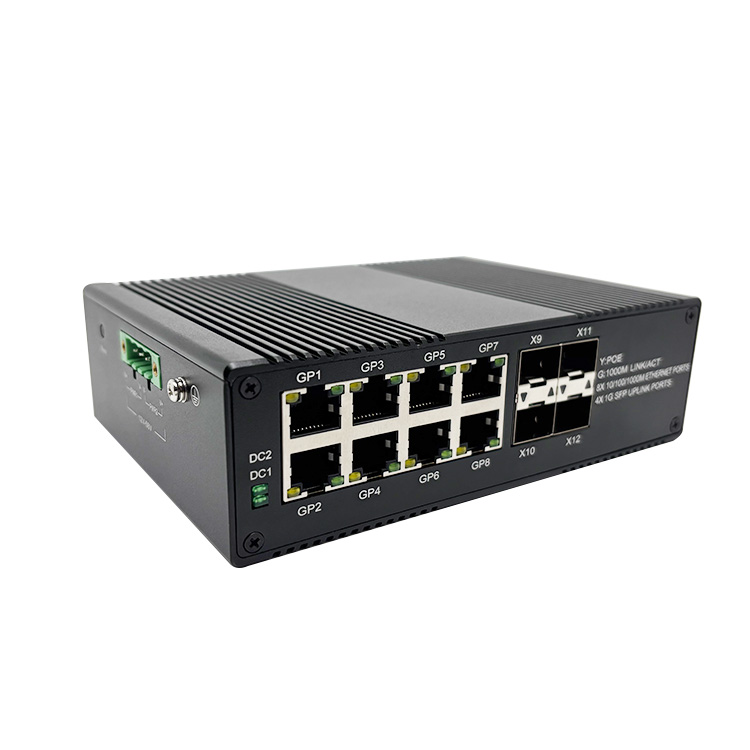
Suppliers often offer different price levels based on order quantity or product configuration. For example, a base model with basic features may have a lower price, while an enhanced model with additional ports, higher PoE budget, or ruggedized design is priced higher. Volume discounts encourage larger purchases. This model is common among manufacturers like FICOTEK, which can provide customized products with independent intellectual property rights and offer OEM/ODM services.
Competitive Pricing
In a crowded market, suppliers may set prices based on competitors’ offerings. They might match or undercut prices to gain market share. However, this can lead to price wars and reduced margins. Sustainable competitive pricing requires cost efficiency, which FICOTEK achieves through its integrated production capabilities from optical components to finished switches.
Subscription or Service-Based Pricing
Emerging models include subscription fees for cloud-managed switches, where the hardware is sold at a lower upfront cost but ongoing software and support fees apply. While less common for solar POE switches due to remote deployments, some suppliers are exploring this approach.
FICOTEK’s Approach to Pricing
Shenzhen Ficotek Photonics Co., Ltd (FICOTEK) exemplifies a supplier that balances quality, customization, and competitive pricing. The company adheres to a business philosophy of “efficient innovation and people-oriented.” With a management team rich in experience in optoelectronic and optical communication products, and a group of experienced production and process technology engineers, FICOTEK provides strong technical support.
FICOTEK has its own factory, and as the factory size and number of employees grow, production capacity continues to increase. This vertical integration allows FICOTEK to control costs and offer flexible pricing models. They can deliver customized products with independent intellectual property rights according to customer requirements, and provide OEM and ODM services. All customers enjoy after-sales service of “one-year replacement, three-year warranty, and lifetime technical support.”
The company’s product features include industrial-grade temperature resistance and outdoor lightning protection. With lightweight network management, they support VLAN, QoS, RSTP, ERPS, SNMP, POE control, link aggregation, and lower power consumption. These switches are widely used in industries such as petroleum, energy storage, high-speed rail, wind power generation, and security.
FICOTEK has complete R&D and production equipment and product testing instruments, with full capabilities throughout the entire industry chain from optical components to TOSA/ROSA/BOSA, optical modules, media converters, and industrial-grade switches. They can provide various types of products and customize them according to different customer needs. Any product launched to the market has undergone rigorous reliability verification. They also hold invention patents and utility model patents.
How to Choose the Right Pricing Model for Your Business
Selecting a supplier and pricing model requires evaluating several factors:
- Project Requirements: Determine the specific technical needs, such as port count, PoE budget, operating temperature range, and required certifications. For extreme environments, invest in a supplier like FICOTEK that offers ruggedized designs.
- Total Cost of Ownership (TCO): Consider not only the upfront price but also installation, maintenance, energy consumption, and potential downtime costs. A slightly higher initial investment in a reliable switch can reduce long-term expenses.
- Supply Chain Stability: Assess the supplier’s production capacity and lead times. FICOTEK’s in-house manufacturing ensures stable supply and shorter lead times.
- After-Sales Support: Quality warranty and technical support are critical for field deployments. FICOTEK’s three-year warranty and lifetime support provide peace of mind.
- Customization Needs: If unique features are required, choose a supplier that offers OEM/ODM services. FICOTEK can customize products with independent intellectual property rights.
Conclusion
Navigating solar POE switch supplier pricing models demands a thorough understanding of product features, supplier capabilities, and market dynamics. While cost-plus and value-based pricing are common, FICOTEK’s hybrid model leverages vertical integration, customization, and strong after-sales support to deliver value. By focusing on TCO and aligning with a supplier that prioritizes quality and innovation, businesses can ensure reliable performance in their solar-powered deployments. As the industry evolves, suppliers like FICOTEK are well-positioned to meet the growing demand for robust, efficient solar POE switches.
Summary
Solar POE switches are essential for remote, off-grid networking applications, and understanding supplier pricing models is crucial for making informed procurement decisions. Key factors influencing pricing include component quality, certifications, R&D investment, customization, warranty, volume, and logistics. Common pricing models include cost-plus (transparent markup based on production costs), value-based (priced according to perceived benefits like unique features), tiered (different price points for different configurations or quantities), competitive (matching or undercutting rivals), and subscription-based (ongoing fees for managed services).
Shenzhen Ficotek Photonics Co., Ltd (FICOTEK) exemplifies a supplier that balances these models effectively. With its own factory, full industry chain capabilities from optical components to industrial switches, and a focus on innovation and quality, FICOTEK offers competitive pricing without compromising product integrity. Their products feature industrial-grade temperature resistance, lightning protection, and advanced network management features, making them suitable for harsh environments. They provide OEM/ODM services, customization, and a strong warranty—one-year replacement, three-year warranty, and lifetime technical support. FICOTEK holds invention and utility model patents and subjects all products to rigorous reliability testing. When choosing a pricing model, buyers should evaluate total cost of ownership, project-specific requirements, supplier stability, and after-sales support. By partnering with suppliers like FICOTEK, organizations can secure reliable, cost-effective solar POE switches for their remote networking needs.