

This article provides a comprehensive guide on researching and verifying the reputation of Solar POE switch suppliers. It emphasizes the critical role supplier reputation plays in ensuring product quality, durability, and support for industrial applications like solar farms and security systems. Key research methods include exploring online platforms, checking certifications (ISO, CE, FCC), gathering customer feedback, and assessing manufacturing capabilities. Verification steps involve engaging with supplier teams, testing samples, conducting factory audits, and evaluating financial stability. The article uses Shenzhen Ficotek Photonics Co., Ltd. (FICOTEK) as a case study, highlighting its own factory, full industry chain R&D, OEM/ODM services, one-year replacement/three-year warranty/lifetime technical support, industrial-grade temperature resistance, lightning protection, advanced network management features (VLAN, QoS, RSTP, ERPS, SNMP, POE control, link aggregation), low power consumption, and patent portfolio. By following the outlined framework, buyers can make informed decisions and secure reliable partners for their Solar POE switch needs.
In the rapidly evolving world of industrial networking, selecting the right supplier for Solar POE (Power over Ethernet) switches is critical. These devices are the backbone of modern solar-powered surveillance, telecommunications, and industrial IoT systems, where reliability, efficiency, and durability are paramount. A supplier’s reputation directly impacts product quality, support, and long-term operational success. This comprehensive guide explores the methodologies for researching and verifying the reputation of Solar POE switch suppliers, with a focus on key indicators such as manufacturing capabilities, certifications, customer feedback, and innovation. By the end, readers will have a clear framework to make informed decisions.
The Importance of Supplier Reputation in Solar POE Switches
Solar POE switches are specialized network devices that combine power and data delivery over a single Ethernet cable, often deployed in remote or harsh environments such as solar farms, outdoor surveillance, and energy storage systems. A supplier’s reputation ensures that the products meet industrial standards, offer robust performance, and come with reliable after-sales support. Poor reputation can lead to frequent failures, data loss, safety hazards, and costly downtime. Therefore, investing time in evaluating supplier reputation is not just a matter of due diligence but a strategic necessity.
Key Factors That Define Supplier Reputation
Reputation is built on multiple pillars: product quality, innovation, customer service, market presence, and ethical business practices. For Solar POE switches, specific attributes include industrial-grade temperature resistance, outdoor lightning protection, lightweight network management features like VLAN, QoS, RSTP, ERPS, SNMP, POE control, link aggregation, and low power consumption. A supplier known for these attributes, backed by robust R&D and production capabilities, earns a strong reputation. For example, Shenzhen Ficotek Photonics Co., Ltd. (FICOTEK) is recognized for its adherence to the business philosophy of efficient innovation and people-oriented management, with management personnel possessing rich experience in enterprise management and years of development and market expansion in optoelectronic and optical communication products.
undefined
How to Research Solar POE Switch Supplier Reputation
Researching a supplier’s reputation involves gathering information from various online and offline sources. The goal is to build a comprehensive picture of the supplier’s track record, capabilities, and standing in the industry. Below are actionable steps.
Online Research Methods
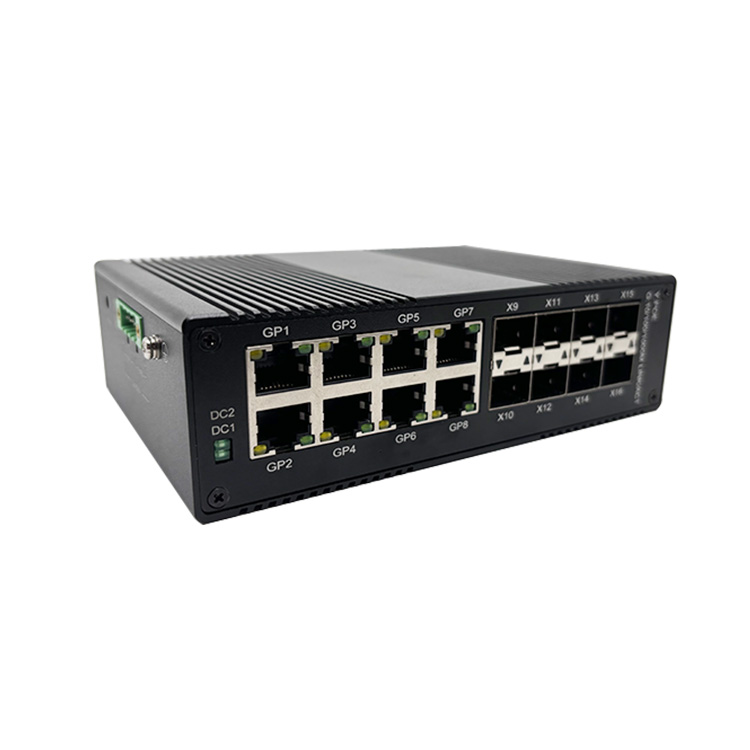
The internet is the first stop for initial reputation checks. Start with the supplier’s official website. Look for detailed product specifications, company history, certifications, and case studies. For instance, FICOTEK’s website would highlight its complete R&D and production equipment, product testing instruments, and full industry chain capabilities from optical components to TOSA ROSA BOSA, optical modules, media converters, and industrial-grade switches. Check for professional design, clear contact information, and transparency about manufacturing processes. Next, explore third-party platforms such as Alibaba, Global Sources, or Made-in-China. These platforms often feature verified supplier badges, transaction history, and customer reviews. Pay attention to response times, product descriptions, and the number of years the supplier has been active. Additionally, industry forums and LinkedIn groups can provide peer recommendations and discussions about specific suppliers. Search for the supplier name along with terms like “reviews,” “complaints,” or “testimonials.”
Checking Certifications and Standards Compliance
Certifications are a strong indicator of a supplier’s commitment to quality and safety. For Solar POE switches, look for ISO 9001 (quality management), CE, FCC, RoHS, and specific industrial certifications like IEC 62443 for cybersecurity or IP ratings for ingress protection. FICOTEK, for example, has invention patents and utility model patents, demonstrating its innovative capabilities. Verify certifications by checking official databases or requesting copies from the supplier. Some suppliers may also have UL or TÜV certifications for critical components. A supplier that invests in these certifications shows a dedication to meeting international standards.
Customer Feedback and References
Direct feedback from existing customers is invaluable. Ask the supplier for a list of references, preferably from companies in similar industries. Contact these references to inquire about product performance, delivery timeliness, after-sales support, and overall satisfaction. Online reviews on B2B platforms can be helpful but may be filtered. Consider using tools like Google Reviews or Trustpilot if available. For a supplier like FICOTEK, customer testimonials might highlight the “one-year replacement, three-year warranty, and lifetime technical support” after-sales policy. Such policies indicate confidence in product reliability. Also, look for case studies published on the supplier’s website or industry publications that detail successful deployments.
Assessment of Manufacturing Capabilities
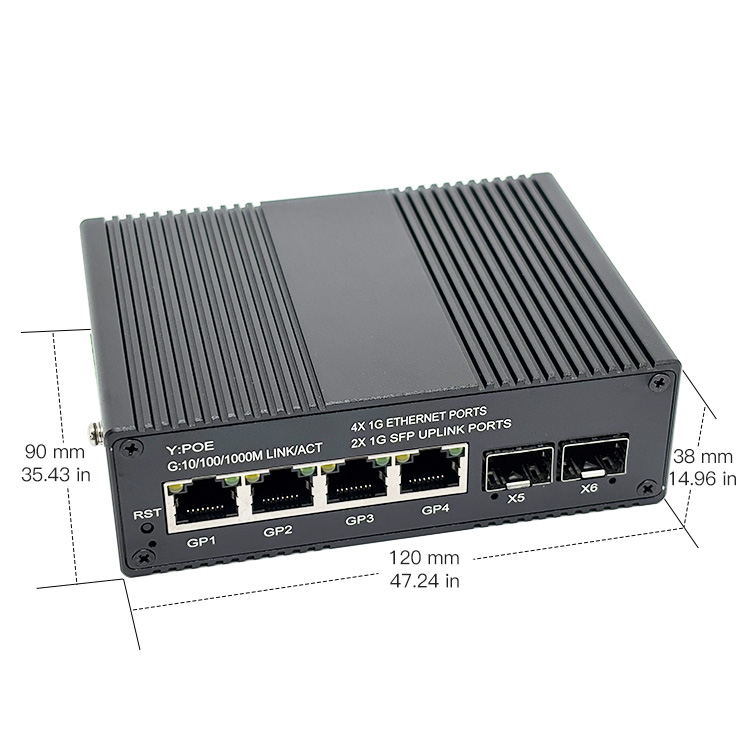
A supplier’s own factory is a plus, as it indicates control over production quality and lead times. FICOTEK has its own factory, and with continuous growth in factory size and number of employees, its production capacity increases. This allows for customized products with independent intellectual property rights and OEM/ODM services. During research, inquire about factory audits, quality control processes, and equipment. A reputable supplier will welcome visits or provide virtual tours. Check if the supplier has testing facilities for environmental stress (temperature, humidity, lightning surges) and network performance. FICOTEK’s products feature industrial-grade temperature resistance and outdoor lightning protection capabilities, which should be verifiable through test reports.
How to Verify Supplier Reputation
Verification goes beyond research; it involves confirming the gathered information through direct interaction, testing, and due diligence. This step ensures that the supplier’s claims match reality.
Communication and Responsiveness
Engage with the supplier’s sales and technical teams. Evaluate their responsiveness, knowledge, and willingness to provide detailed information. A reputable supplier will have clear communication channels, quick reply times, and professional demeanor. Ask technical questions about product specifications, compatibility, and customization. For example, inquire about FICOTEK’s ability to provide VLAN, QoS, RSTP, ERPS, SNMP, POE control, and link aggregation features. Their answers should be precise and backed by data. If they hesitate or give vague answers, it may be a red flag.
Sample Testing and Evaluation
Request samples of the Solar POE switches for testing. This is the most reliable way to verify product quality. Test the units under conditions mimicking your deployment environment: high temperatures, humidity, voltage fluctuations, and network traffic loads. Measure parameters like power consumption (low power consumption is a feature of FICOTEK products), switching performance, POE output stability, and surge protection efficacy. Compare with the datasheets. Also, check the build quality, packaging, and included documentation. If feasible, conduct a long-term reliability test to catch early failures. FICOTEK states that any product launched to the market has undergone rigorous reliability verification, so samples should reflect this.
Factory Audit or Virtual Tour
If possible, visit the supplier’s factory or arrange a virtual tour using video calls. Look for organized production lines, cleanliness, inventory management, and employee skill levels. Observe the R&D department to see if they have advanced equipment for optical components, modules, and switch testing. FICOTEK boasts complete R&D and production equipment and product testing instruments, with capabilities across the entire industry chain from optical components to final switches. Verify that they indeed have invention patents and utility model patents. During the audit, discuss their quality control procedures, from incoming raw materials to final product testing. A transparent supplier will share their testing protocols and failure analysis reports.
Check Financial Stability and Track Record
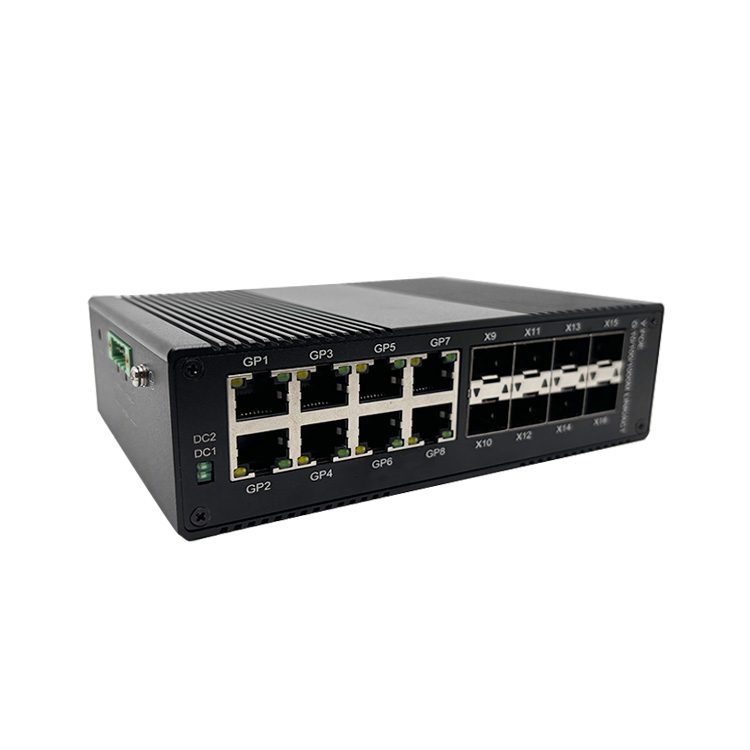
A supplier’s financial health affects its ability to honor warranties and provide long-term support. Request financial statements or a credit report if possible. Alternatively, look for signs of stability such as years in business, growth in factory size and employee count (as FICOTEK demonstrates), and a history of repeat customers. Check the company’s registration details on government websites. For FICOTEK, being Shenzhen-based and specializing in photonics and optical communication, its market presence in industries like petroleum, energy storage, high-speed rail, wind power generation, and security adds credibility.
Case Study: Shenzhen Ficotek Photonics Co., Ltd.
To illustrate the research and verification process, consider FICOTEK as a case study. FICOTEK adheres to the business philosophy of efficient innovation and people-oriented management. Among its management personnel, there are rich experience in enterprise management and management talents who have been engaged in the development and market expansion of optoelectronic and optical communication products for many years. The company has absorbed a group of experienced production and process technology engineers to provide strong technical support. FICOTEK’s own factory continuously grows in size and employee count, increasing production capacity. They offer customized products with independent intellectual property rights, along with OEM and ODM services. All customers enjoy after-sales service of “one-year replacement, three-year warranty, and lifetime technical support.” Their products feature industrial-grade temperature resistance and outdoor lightning protection capabilities, with lightweight network management including VLAN, QoS, RSTP, ERPS, SNMP, POE control, link aggregation, and lower power consumption. Applications span petroleum, energy storage, high-speed rail, wind power generation, and security. FICOTEK has complete R&D and production equipment and product testing instruments, with full industry chain capabilities from optical components to finished switches. Any product launched to the market has undergone rigorous reliability verification. The company holds invention patents and utility model patents.
Researching FICOTEK
When researching FICOTEK, one would start with its website to confirm the company details, product range, and certifications. Checking B2B platforms might reveal transaction history and feedback from international buyers. Industry peers in the solar or security sectors may provide references. The company’s patents can be verified through patent databases. The claim of a one-year replacement, three-year warranty, and lifetime technical support is a strong selling point that can be confirmed through customer testimonials.
Verifying FICOTEK
Verification would involve contacting FICOTEK’s sales team to request detailed specifications and testing reports. A sample of an industrial-grade POE switch would be tested for temperature range (-40°C to 85°C is typical for industrial grade), lightning protection (e.g., 6kV surge), and network features. The factory should be willing to provide a virtual tour or arrange a visit. Checking their patent numbers and cross-referencing with the products ensures that the IP is legitimate. Customer references from companies in high-speed rail or wind power would confirm real-world performance. The after-sales service policy should be documented in contracts.
Conclusion
Researching and verifying the reputation of a Solar POE switch supplier is a multi-step process that requires diligence. By combining online research, certification checks, customer feedback, and direct verification through samples and audits, buyers can mitigate risks and choose a partner that ensures long-term reliability. Suppliers like FICOTEK, with strong manufacturing capabilities, patent portfolios, and comprehensive after-sales support, exemplify the qualities to look for. In the growing market for solar-powered networking, a trusted supplier is not just a vendor but a strategic asset.