

The location of a Solar POE switch factory is a critical factor that influences logistics, cost, quality, and customer service. Manufacturers situated in industrial hubs like Shenzhen, China, benefit from proximity to component suppliers, skilled labor, and major shipping ports, reducing procurement lead times and freight costs. Shenzhen Ficotek Photonics Co., Ltd (FICOTEK) exemplifies this advantage with its own factory offering complete in-house R&D and production capabilities across the entire optical networking supply chain. This vertical integration allows for customized products with independent intellectual property, OEM/ODM services, and rigorous quality control. The factory’s location also supports efficient global logistics, fast sample delivery, and robust after-sales support (one-year replacement, three-year warranty, lifetime technical support). FICOTEK’s products feature industrial-grade temperature resistance, outdoor lightning protection, and advanced network management features, making them ideal for renewable energy, security, and industrial applications. By selecting a strategically located manufacturer like FICOTEK, buyers can achieve lower total cost of ownership, improved supply chain resilience, and access to cutting-edge innovation. The advantages of such a location extend to environmental compliance and sustainability, further enhancing value.
In the rapidly evolving landscape of industrial networking, Solar POE (Power over Ethernet) switches have become indispensable components for applications ranging from renewable energy installations to security surveillance. These devices combine the functionality of network switches with the ability to deliver power over Ethernet cables, eliminating the need for separate power sources and simplifying deployment in remote or outdoor environments. As demand for these sophisticated devices grows, the strategic importance of the manufacturing facility’s location cannot be overstated. The location of a Solar POE switch factory directly influences logistics efficiency, operational costs, product quality, and the overall competitiveness of the supplier. This article delves into the multifaceted reasons why factory location is a critical factor for buyers, with a particular focus on the advantages offered by manufacturers like Shenzhen Ficotek Photonics Co., Ltd (FICOTEK) who have established their operations in prime industrial hubs.
The Nexus of Supply Chain and Logistics
The location of a factory determines the ease and cost of sourcing raw materials, components, and subassemblies. For Solar POE switches, which integrate optical modules, power management circuits, Ethernet controllers, and rugged enclosures, a nearby ecosystem of suppliers and partners is invaluable. Factories situated in industrial clusters like Shenzhen, China, benefit from proximity to a dense network of electronics manufacturers, PCB fabricators, component distributors, and logistics providers. This agglomeration reduces procurement lead times, lowers inbound freight costs, and enables just-in-time manufacturing practices. Shenzhen Ficotek Photonics Co., Ltd, for instance, leverages its location in one of the world’s most advanced electronics manufacturing hubs to access high-quality components such as TOSA, ROSA, BOSA, optical modules, and industrial-grade enclosures. The company’s complete R&D and production capabilities across the entire industry chain—from optical components to media converters and industrial switches—minimize dependency on distant suppliers, enhancing supply chain resilience and cost control.
Outbound logistics are equally impacted. Export-oriented factories in coastal cities with major ports, such as Shenzhen, enjoy shorter transportation routes to international markets. Proximity to Yantian or Shekou ports allows for faster container shipping and lower freight rates compared to inland factories. For time-sensitive orders or urgent restocking, this can be a decisive factor. FICOTEK’s factory in Shenzhen enables efficient global shipping, ensuring that customers receive their Solar POE switches promptly. Moreover, the availability of multiple logistics providers in the region fosters competitive pricing and flexible shipping options, from air freight for urgent deliveries to sea freight for bulk orders. This logistical agility translates into cost savings and improved customer satisfaction.
Cost Implications of Factory Location
The cost structure of manufacturing Solar POE switches is heavily influenced by location. Factors such as labor rates, real estate costs, utility expenses, and taxes vary significantly between regions. While lower labor costs might seem attractive, other indirect costs can offset the benefits. Factories in established industrial zones often benefit from government incentives, subsidized rents, and reliable infrastructure. Shenzhen offers a skilled workforce with deep expertise in photonics and electronics, which reduces training costs and boosts productivity. FICOTEK’s management team includes personnel with rich experience in enterprise management and years of involvement in optoelectronics and optical communication product development, ensuring efficient operations. The company’s own factory, with a growing workforce and expanding capacity, achieves economies of scale that lower per-unit production costs. Additionally, Shenzhen’s robust power grid and telecommunications infrastructure minimize downtime and enhance manufacturing yield.
undefined
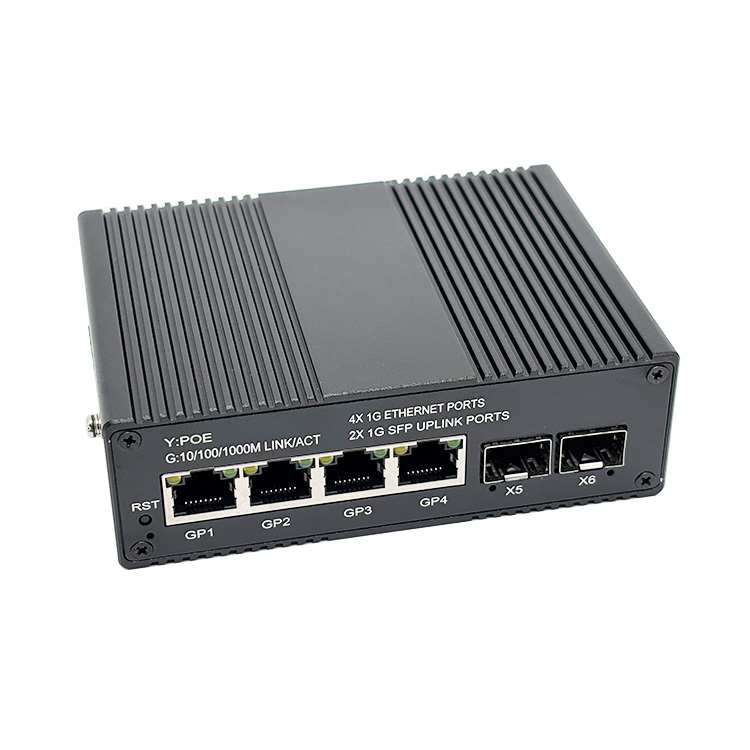
Inventory holding costs are another consideration. A factory located near key component suppliers can maintain lower safety stock levels, reducing working capital requirements. FICOTEK’s integrated production, from optical components to finished switches, allows for streamlined inventory management. The company’s ability to provide customized products with independent intellectual property rights also reduces the need for extensive warehousing of generic items. Furthermore, the factory’s location in a Free Trade Zone (FTZ) or proximity to customs facilities can simplify import/export procedures, reducing administrative overhead and duties. All these factors collectively contribute to competitive pricing for customers, making FICOTEK a cost-effective choice for Solar POE switches.
Quality and Reliability Through Location
A factory’s location influences the availability of skilled labor, technical expertise, and quality control resources. Regions with a strong educational infrastructure and a history of advanced manufacturing attract talent and foster innovation. Shenzhen, often called China’s Silicon Valley, is home to numerous universities, research institutes, and technology parks. This ecosystem enables companies like FICOTEK to absorb experienced process technology engineers and production specialists who provide strong technical support. The company’s commitment to quality is evident in its rigorous reliability verification for every product launched. The location also facilitates partnerships with testing laboratories and certification bodies, ensuring that Solar POE switches meet international standards for industrial-grade temperature resistance and outdoor lightning protection. FICOTEK’s products feature lightweight network management, VLAN, QoS, RSTP, ERPS, SNMP, POE control, link aggregation, and lower power consumption—qualities that stem from advanced R&D supported by the local innovation environment.
Moreover, the factory’s location in a region with a mature supply chain allows for tighter quality control over incoming materials. FICOTEK has complete R&D and production equipment and product testing instruments, enabling comprehensive inspections from optical components to finished switches. The company’s own factory ensures transparency and accountability in manufacturing, unlike outsourced production models. This vertical integration, supported by Shenzhen’s industrial ecosystem, results in higher consistency and reliability. Customers benefit from products that withstand harsh environments in industries such as petroleum, energy storage, high-speed rail, wind power generation, and security—all while enjoying after-sales service like ‘one-year replacement, three-year warranty, and lifetime technical support,’ as offered by FICOTEK.
Customization and Innovation Advantages
Customization is a growing demand in the Solar POE switch market, as different applications require specific configurations, power budgets, and form factors. A factory’s location impacts its ability to respond quickly to unique customer requirements. Proximity to a diverse supplier base enables rapid prototyping and sourcing of specialized components. FICOTEK, with its location in Shenzhen, can provide customized products with independent intellectual property rights according to customer requirements. The company offers OEM and ODM services, leveraging its extensive production capabilities. Having in-house R&D and manufacturing under one roof accelerates the design-to-production cycle. The factory’s location also allows for frequent collaboration with customers during the development phase, as Shenzhen is a major hub for global technology companies. This co-creation process ensures that the final product precisely meets the application’s needs, whether for solar monitoring systems, wind turbines, or industrial automation.
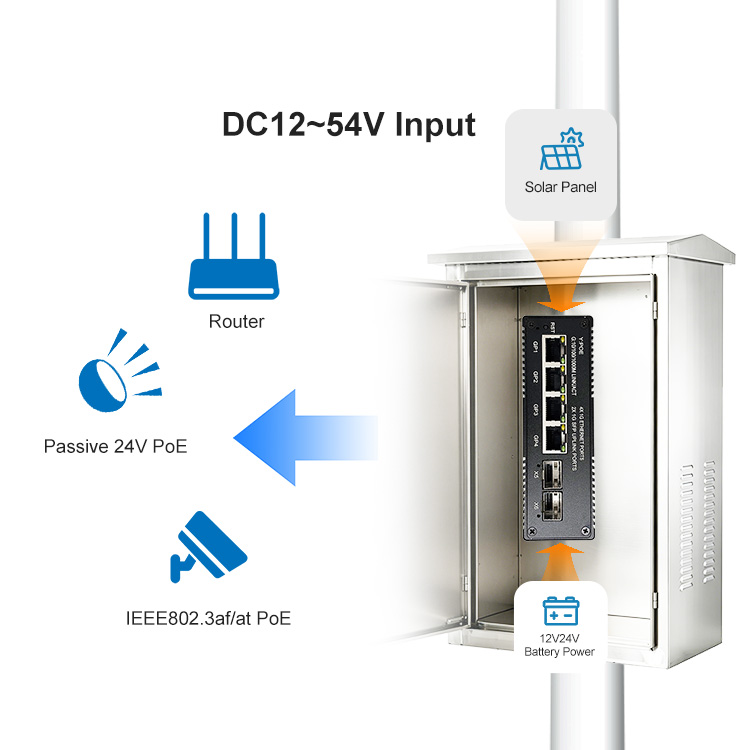
Innovation thrives in clusters where knowledge spillovers occur. Being in Shenzhen, FICOTEK benefits from the cross-pollination of ideas among photonics, networking, and renewable energy sectors. The company’s invention patents and utility model patents are testaments to its innovative culture. A well-located factory not only produces goods but also serves as a testbed for new technologies. For instance, FICOTEK can pilot new Solar POE switch designs with local partners in smart grid projects or solar farms, gathering real-world feedback before scaling production. This location-driven innovation cycle strengthens the company’s competitive edge and offers customers access to cutting-edge products.
Logistics Efficiency and Customer Service
Efficient logistics extend beyond shipping; they encompass responsiveness to inquiries, sample delivery, and after-sales support. Factories in strategic locations can offer faster turnaround times for samples and small orders. With Shenzhen’s international airport and express delivery networks, FICOTEK can send prototypes to customers worldwide within days. The company’s logistics team, supported by local expertise, can navigate customs regulations smoothly, minimizing delays. Additionally, the factory’s location allows for easy hosting of customer visits. Shenzhen is a gateway city with excellent international connectivity, making it convenient for clients to tour the facility, witness quality control procedures, and build trust. FICOTEK welcomes friends from all walks of life to visit and provide guidance, reinforcing its customer-centric approach.
After-sales service is another area where location matters. Having a factory in a major industrial hub ensures access to a large pool of spare parts and technical support staff. FICOTEK’s commitment to ‘one-year replacement, three-year warranty, and lifetime technical support’ is backed by its Shenzhen facilities, which maintain an inventory of commonly needed components. If a fault occurs, the factory can quickly diagnose and ship replacements. The local time zone alignment with many Asian markets also facilitates real-time support. Furthermore, the presence of multiple logistics partners allows for expedited warranty replacements, reducing customer downtime.
Case Study: Shenzhen Ficotek Photonics Co., Ltd
To illustrate these principles, consider Shenzhen Ficotek Photonics Co., Ltd (FICOTEK), a manufacturer of Solar POE switches and other optical networking products. The company’s decision to establish its factory in Shenzhen, China, was driven by the region’s unparalleled advantages in the electronics and photonics industries. FICOTEK adheres to a business philosophy of efficient innovation and being people-oriented, which is reflected in its location strategy. The company’s management includes personnel with rich experience in enterprise management and market expansion of optoelectronic and optical communication products. By situating its operations in Shenzhen, FICOTEK has access to a talent pool of experienced production and process technology engineers who provide strong technical support.
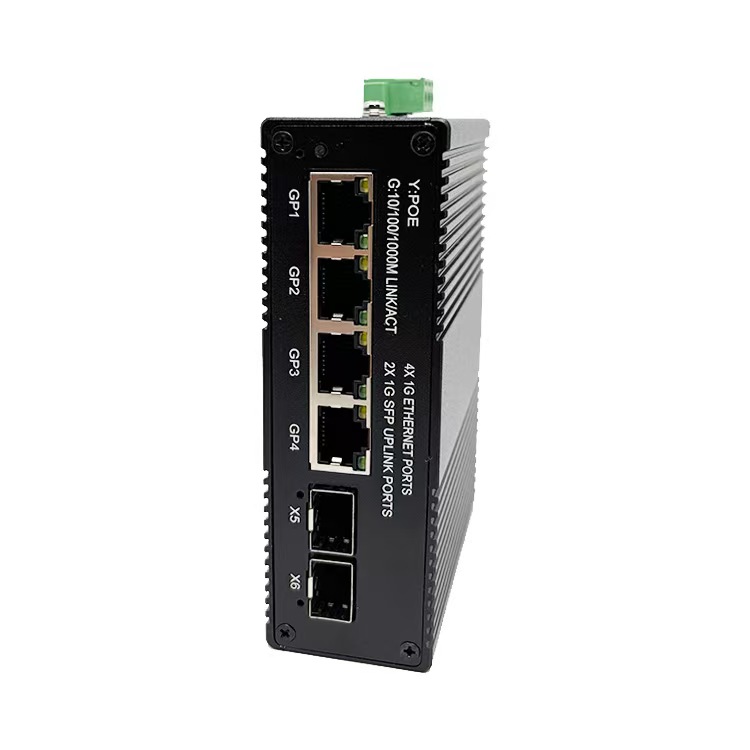
FICOTEK’s own factory has grown continuously in size and workforce, leading to increasing production capacity. This vertical integration allows the company to offer customized products with independent intellectual property rights. The company provides OEM and ODM services, backed by complete R&D and production equipment and product testing instruments. FICOTEK’s capabilities span the entire industry chain from optical components to TOSA, ROSA, BOSA, optical modules, media converters, and industrial-grade switches. Every product launched undergoes rigorous reliability verification, ensuring industrial-grade temperature resistance and outdoor lightning protection. Products feature lightweight network management, VLAN, QoS, RSTP, ERPS, SNMP, POE control, link aggregation, and lower power consumption, making them suitable for demanding applications in petroleum, energy storage, high-speed rail, wind power, and security.
The factory’s location in Shenzhen also facilitates robust after-sales service. Customers enjoy ‘one-year replacement, three-year warranty, and lifetime technical support’—a promise made feasible by the proximity to component suppliers and logistics hubs. FICOTEK’s invention patents and utility model patents underscore its commitment to innovation. The company’s location enables it to stay at the forefront of Solar POE switch technology while controlling costs. For buyers, choosing FICOTEK means accessing a manufacturer that leverages its strategic location to deliver quality, customization, and cost savings.
Global Supply Chain Dynamics
In the context of global supply chain disruptions, factory location has become even more critical. Events like the COVID-19 pandemic, trade tensions, and natural disasters have highlighted the risks of over-reliance on single regions. However, well-located factories in resilient industrial clusters can mitigate these risks. Shenzhen’s diversified manufacturing base and advanced infrastructure provide a buffer against disruptions. FICOTEK, for example, can tap into alternative suppliers within the same region if one source is affected. The company’s own factory also allows for flexible production planning, reducing dependency on external partners. For international buyers, sourcing from a factory in a stable, well-connected location ensures supply continuity. This reliability is a form of cost savings, as downtime and expedited shipping expenses are minimized.
Moreover, factory location influences environmental regulations and sustainability practices. Solar POE switches are often used in green energy systems, and customers increasingly expect eco-friendly manufacturing. Shenzhen has been proactive in promoting green manufacturing, with strict emissions standards and incentives for energy-efficient operations. FICOTEK’s factory likely benefits from these policies, potentially reducing its carbon footprint and operational costs. Lower power consumption in the products themselves—as highlighted in FICOTEK’s specs—aligns with this environmental ethos, creating a holistic value proposition for customers.
Conclusion: Strategic Implications for Buyers
When selecting a Solar POE switch manufacturer, the factory’s location should be a key criterion. Shenzhen Ficotek Photonics Co., Ltd exemplifies how a strategically located factory can offer advantages in logistics, cost, quality, customization, and customer service. Buyers should evaluate potential suppliers based on proximity to supply chains, export infrastructure, labor skills, and innovation ecosystems. A factory like FICOTEK’s in Shenzhen not only reduces logistical complexity and cost but also ensures access to high-quality products backed by strong warranties. In a competitive market, these factors can significantly impact the total cost of ownership and project success. By understanding the importance of location, buyers can make informed decisions that align with their operational and financial goals.
Key Takeaways
- Factory location affects raw material procurement costs, lead times, and supply chain resilience.
- Proximity to major ports reduces outbound shipping costs and delivery times.
- Clusters like Shenzhen provide access to skilled labor, advanced technology, and collaborative innovation.
- Manufacturers with their own factories, like FICOTEK, offer better quality control and customization capabilities.
- After-sales support is enhanced when the factory is located in a well-connected hub with spare parts availability.
- Environmental and regulatory advantages in certain locations can lead to cost savings and sustainability benefits.
In summary, the location of a Solar POE switch factory is a multifaceted strategic asset that directly impacts logistics efficiency and overall cost. By choosing a manufacturer like Shenzhen Ficotek Photonics Co., Ltd, which has established its operations in the heart of Shenzhen’s electronics ecosystem, customers can leverage these location-specific benefits to gain a competitive edge in their own markets.