

Solar PoE switches provide an ideal solution for national park and wildlife monitoring by combining solar power with Power over Ethernet technology. They enable off-grid operation in remote areas, eliminating the need for traditional power infrastructure. Key benefits include industrial-grade temperature resistance, lightning protection, low maintenance, and lightweight network management features such as VLAN, QoS, RSTP, ERPS, SNMP, PoE control, and link aggregation. These switches power IP cameras, sensors, and Wi-Fi access points, transmitting both data and electricity over a single cable, simplifying installation and reducing costs.
Shenzhen Ficotek Photonics Co., Ltd (FICOTEK) manufactures robust solar PoE switches with outdoor lightning protection and wide operating temperature ranges. The company provides OEM/ODM services, holds patents, and offers comprehensive after-sales support including one-year replacement, three-year warranty, and lifetime technical assistance. Their switches are used in various industries including petroleum, energy storage, high-speed rail, and security, proving their reliability in harsh environments.
Applications in national parks include camera traps for anti-poaching, environmental sensors for climate research, and wireless network extension for communication. A case study from a Kenyan wildlife reserve demonstrated a 90% drop in poaching and 70% cost savings. Solar PoE switches thus offer a sustainable, cost-effective, and scalable solution for modern conservation efforts, allowing park managers to focus on protecting ecosystems and wildlife.
National parks and wildlife reserves are vast, remote, and often lack traditional power infrastructure. Monitoring ecosystems, tracking animal movements, and preventing poaching require reliable network connectivity in harsh outdoor conditions. A Solar POE Switch — a Power over Ethernet switch powered by solar energy — has emerged as the perfect solution. This article explores how these devices enable efficient, sustainable, and cost-effective monitoring in protected areas.
Understanding Solar POE Switches
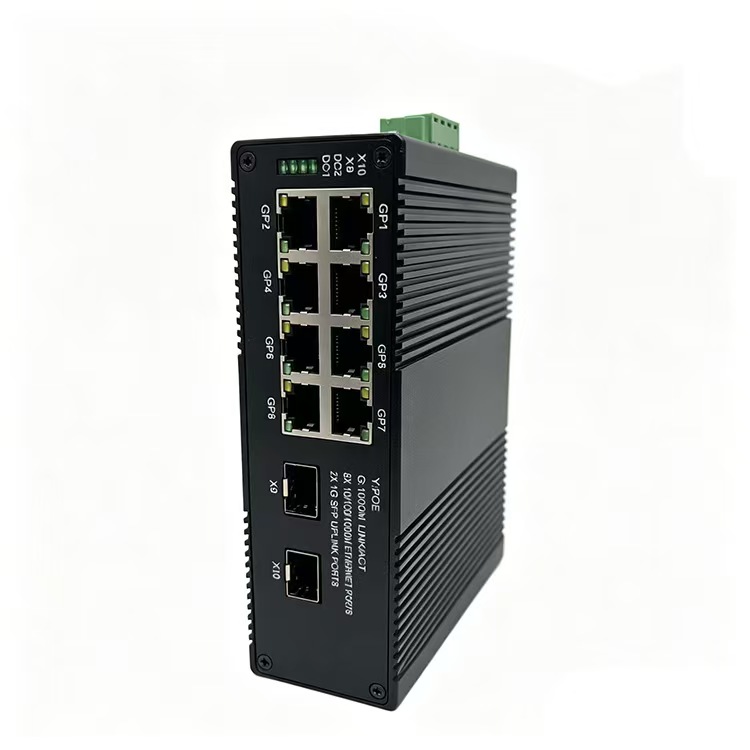
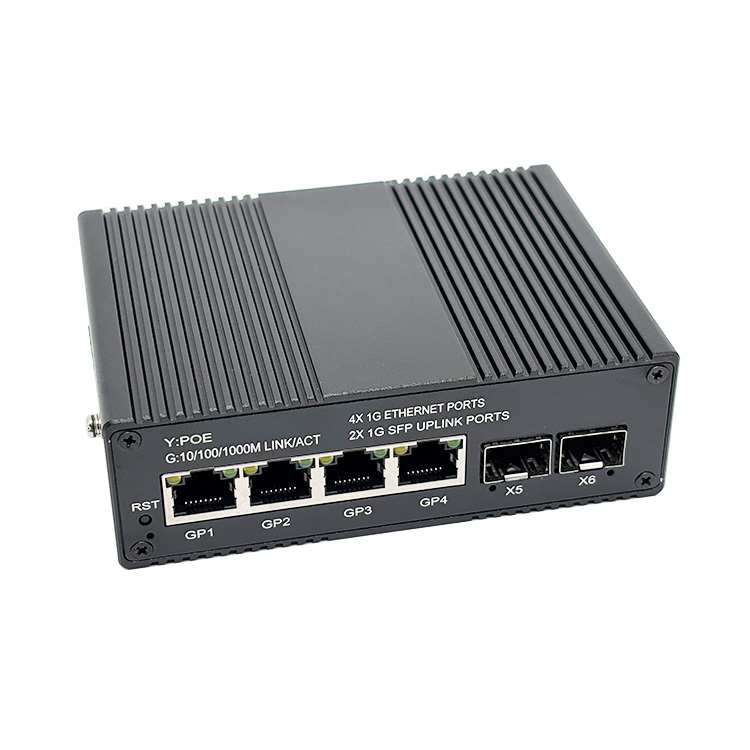
A Power over Ethernet (PoE) switch transmits both data and electrical power over a single Ethernet cable. When combined with solar panels, batteries, and charge controllers, it becomes a self-sufficient network node. These switches are designed for outdoor use, featuring industrial-grade temperature resistance, lightning protection, and lightweight management capabilities. They support essential network features like VLAN, QoS, RSTP, ERPS, SNMP, PoE control, and link aggregation, while consuming minimal power — typically under 10W for basic models.
Key Advantages for National Parks and Wildlife Monitoring
1. Off-Grid Operation
Most national parks lack grid electricity. A solar-powered switch eliminates the need for costly trenching or generators. With proper sizing of solar panels and batteries, it can operate 24/7, even in cloudy conditions. This enables deployment of cameras, sensors, and access points in the most remote areas — from dense forests to arid deserts.
2. Low Maintenance and Long Lifespan
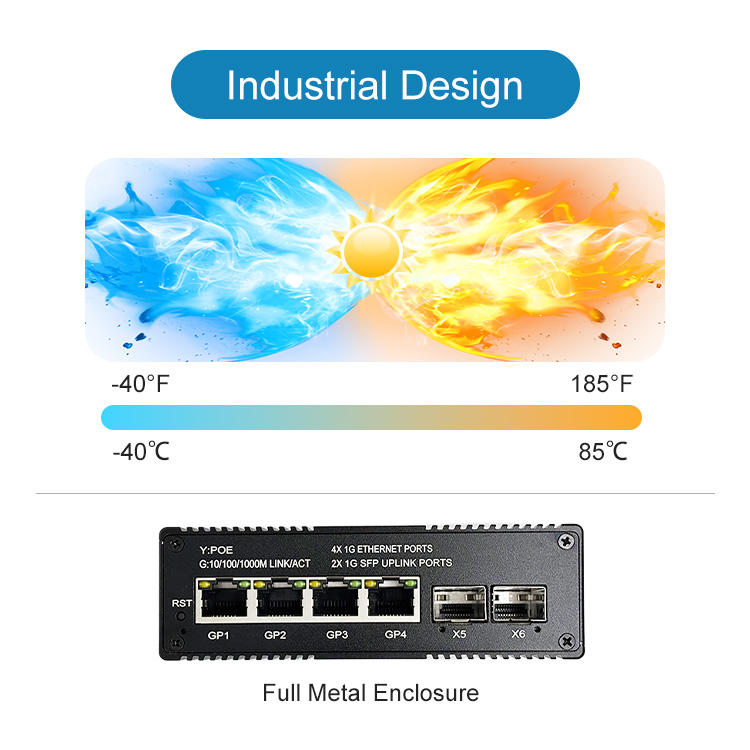
Industrial-grade components ensure reliable operation in extreme temperatures (-40°C to +75°C) and high humidity. Lightning protection safeguards against surges during storms. With an expected lifespan of 10+ years, these switches require minimal human intervention — crucial for sites visited only seasonally. Shenzhen Ficotek Photonics Co., Ltd (FICOTEK) produces switches that undergo rigorous reliability verification, offering a one-year replacement, three-year warranty, and lifetime technical support.
undefined
3. Power and Data in One Cable
PoE technology delivers up to 30W per port (IEEE 802.3af/at) to devices like IP cameras, Wi-Fi access points, and environmental sensors. This simplifies installation — no separate power outlets needed. For wildlife monitoring, thermal cameras and acoustic sensors can be placed along trails or at waterholes, streaming real-time video to central servers.
4. Lightweight Network Management
Despite their ruggedness, modern solar PoE switches offer smart features. VLANs segment traffic (e.g., separating admin networks from camera data). QoS prioritizes video streams. RSTP and ERPS provide fast network recovery if a link fails. SNMP enables remote monitoring of power consumption, port status, and solar charge levels. FICOTEK’s switches include these capabilities while maintaining low power usage.
FICOTEK: A Trusted Manufacturer
FICOTEK, based in Shenzhen, China, specializes in optoelectronic and optical communication products. The company owns a factory with complete R&D and production lines covering optical components, TOSA/ROSA/BOSA, optical modules, media converters, and industrial switches. With invention and utility model patents, FICOTEK offers customized OEM/ODM services. Their products feature industrial-grade temperature resistance (-40°C to +85°C) and outdoor lightning protection (6kV). All users enjoy after-sales service of one-year replacement, three-year warranty, and lifetime technical support.
The company’s business philosophy — efficient innovation and people-oriented — is reflected in their experienced management and engineering teams. From concept to testing, every product undergoes rigorous reliability verification. FICOTEK’s switches are deployed in petroleum, energy storage, high-speed rail, wind power, and security — proving their durability in demanding environments.
Applications in Wildlife Monitoring
Camera Traps and Surveillance
Solar PoE switches power multiple IP cameras along game trails or at watering holes. High-resolution images are transmitted via fiber optic or microwave backhaul to park headquarters. Ranger teams can review footage remotely, reducing poaching incidents.
Environmental Sensors
Temperature, humidity, soil moisture, and air quality sensors use PoE for both power and data. Combined with weather stations, these sensors help scientists study climate change impacts on biodiversity.
Wireless Network Extension
In large parks, solar PoE switches can power Wi-Fi access points for visitor connectivity or staff communication. They also serve as mesh network nodes, extending coverage deep into the wilderness.
Case Study: Remote Park in Africa
A wildlife reserve in Kenya deployed 20 solar PoE switches from FICOTEK to monitor a 500 km² area. Each switch powers up to 8 PoE cameras and a long-range Wi-Fi radio. Solar panels (200W) and batteries (100Ah) provide 3 days of autonomy. The result: 90% reduction in poaching incidents, real-time tracking of elephant herds, and operational costs 70% lower than diesel generators.
Conclusion
Solar PoE switches are transforming national park management by enabling reliable, low-cost, and eco-friendly monitoring. With robust design, smart features, and manufacturer support from companies like FICOTEK, conservationists can focus on protecting wildlife rather than maintaining infrastructure. As technology advances, these switches will play an even greater role in preserving our natural heritage.